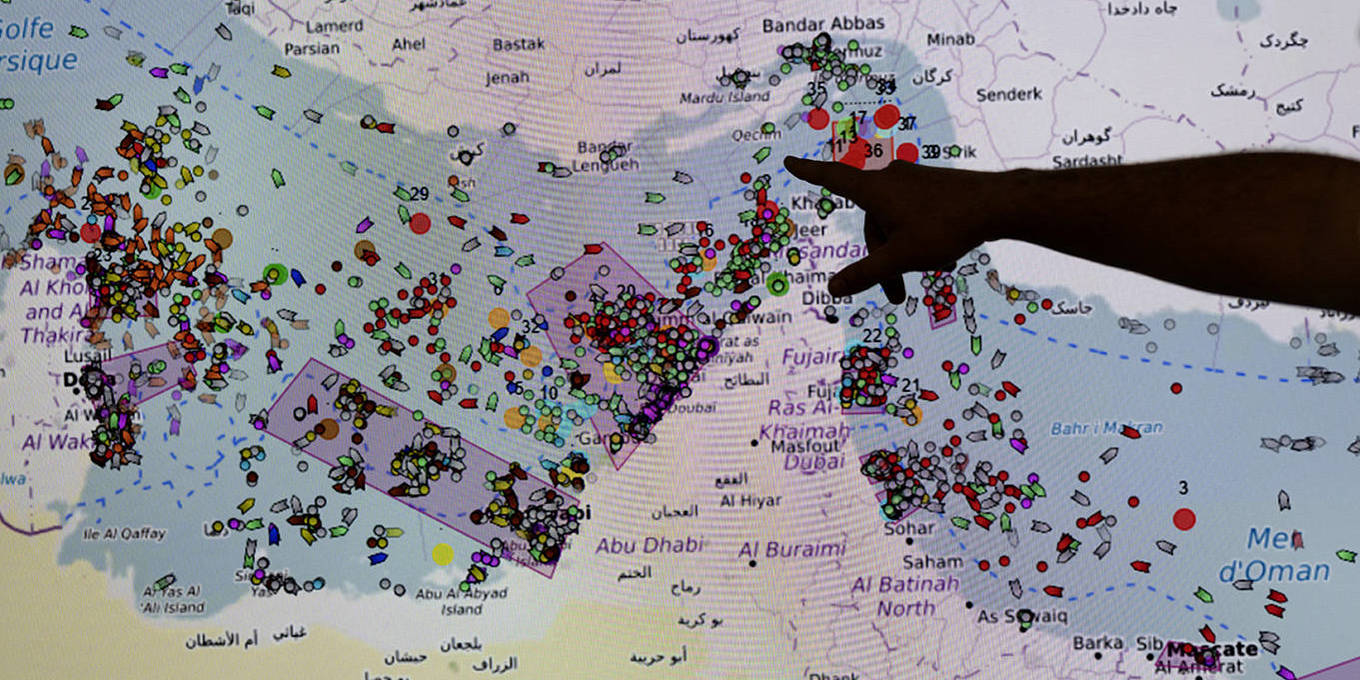
The Iran war, currently in an extended but uncertain ceasefire, will leave a permanent mark on the Middle East. Historically, the region has been shock-prone, with each jolt leaving the area permanently altered and less stable. The 1948 establishment of Israel, Israel’s 1967 occupation of the West Bank and Gaza Strip, the 1979 Islamic Revolution in Iran, Saddam Hussein’s invasion of his neighbors (Iran in 1980 and Kuwait in 1990), and the 2003 US invasion of Iraq are only some of these shocks that left the region forever changed.
Likewise, the 2026 Iran war will alter the region in significant and subtle ways. Here are five dynamics to watch going forward.
1. Iran’s regime will be weaker and increasingly paranoid
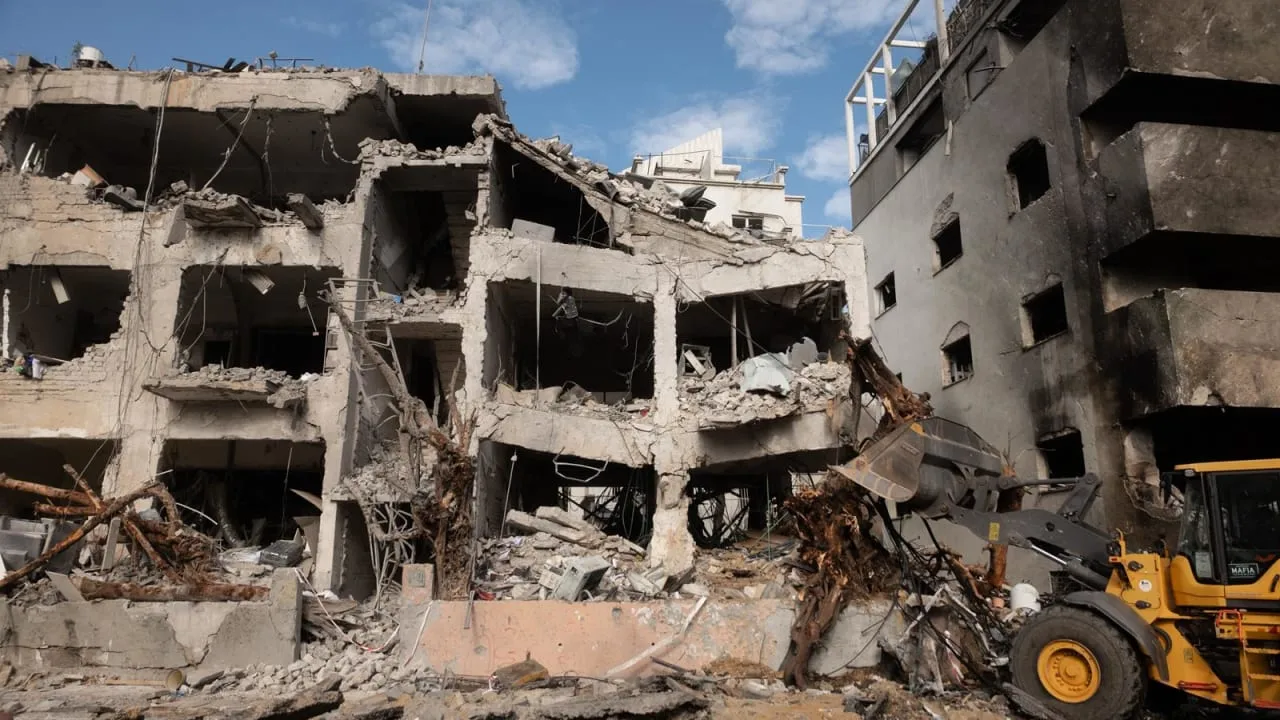
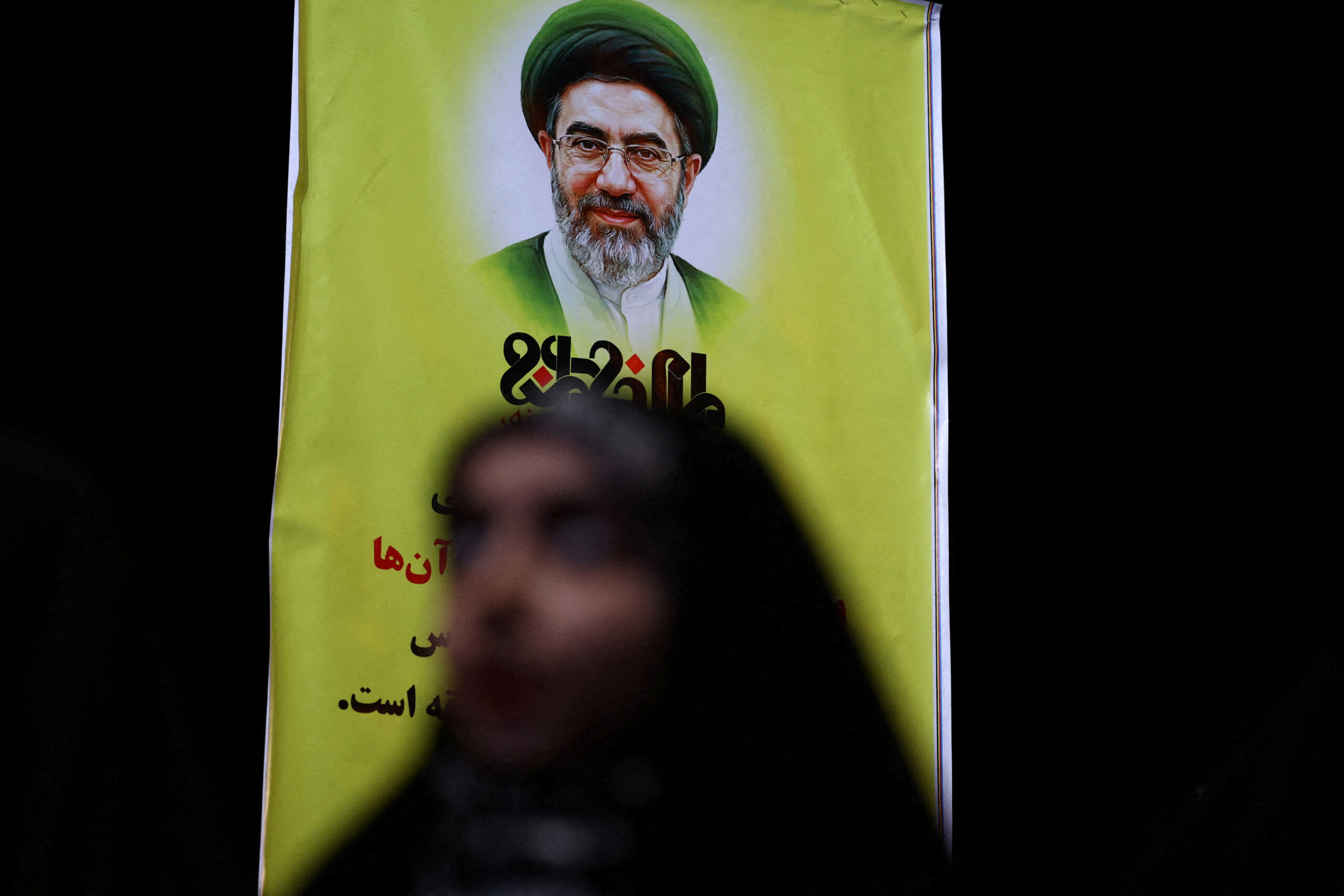
The damage done to Iran in the combined US-Israeli offensive leaves the Tehran regime in place but severely weakened, more paranoid, and with less experienced leaders. What resources survive this war will initially be mobilized to protect the regime against internal threats. Tehran’s weakness, economically and militarily, after the war may trigger further popular demonstrations, although protestors may be understandably reluctant after the regime killed thousands of citizens to suppress widespread demonstrations last January. The regime will retain some of its tools of repression and will prioritize limiting opposition, as it has in the past, but it may lose its ability to fully control the entirety of its territory, opening the door to more active ethnic insurgencies.