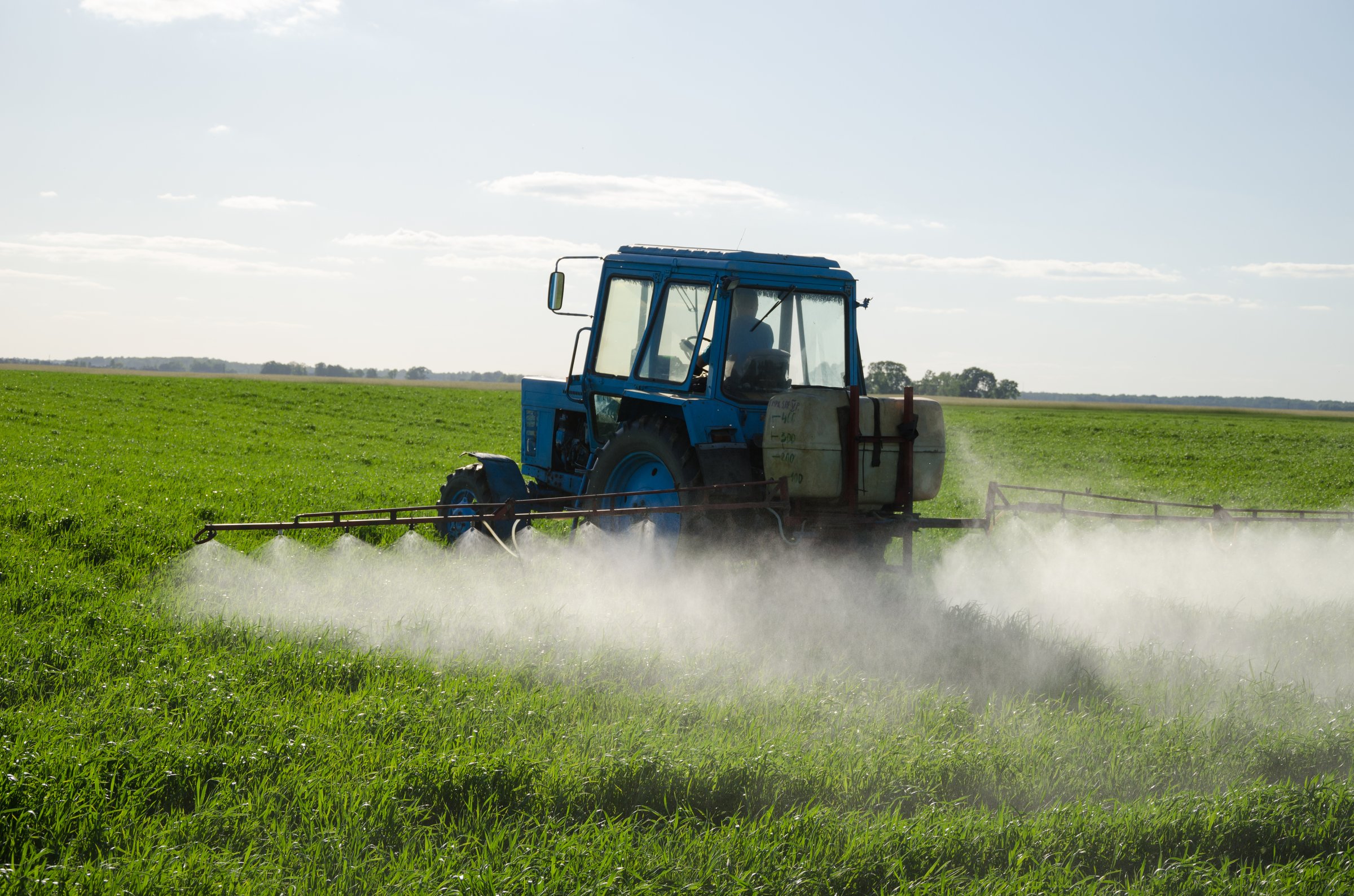
Certain fruits and vegetables may raise the amount of pesticide chemicals found in the human body, according to a new peer reviewed study conducted by scientists at the Environmental Working Group (EWG).
Pesticides have been associated with cancer, reproductive problems, hormone interference, and nervous system harm in children. Because traces of these chemicals are frequently detected on produce, many consumers may be exposed through their diet. Researchers say the findings could help guide future studies on how long term dietary exposure to pesticides affects human health.
"The findings reinforce that what we eat directly affects the level of pesticides in our bodies," said Alexis Temkin, Ph.D., vice president for science at EWG and lead author of the study. "Eating produce is essential to a healthy diet, but it can also increase exposure to pesticides."
Higher Residue Produce Linked to Higher Pesticide Levels
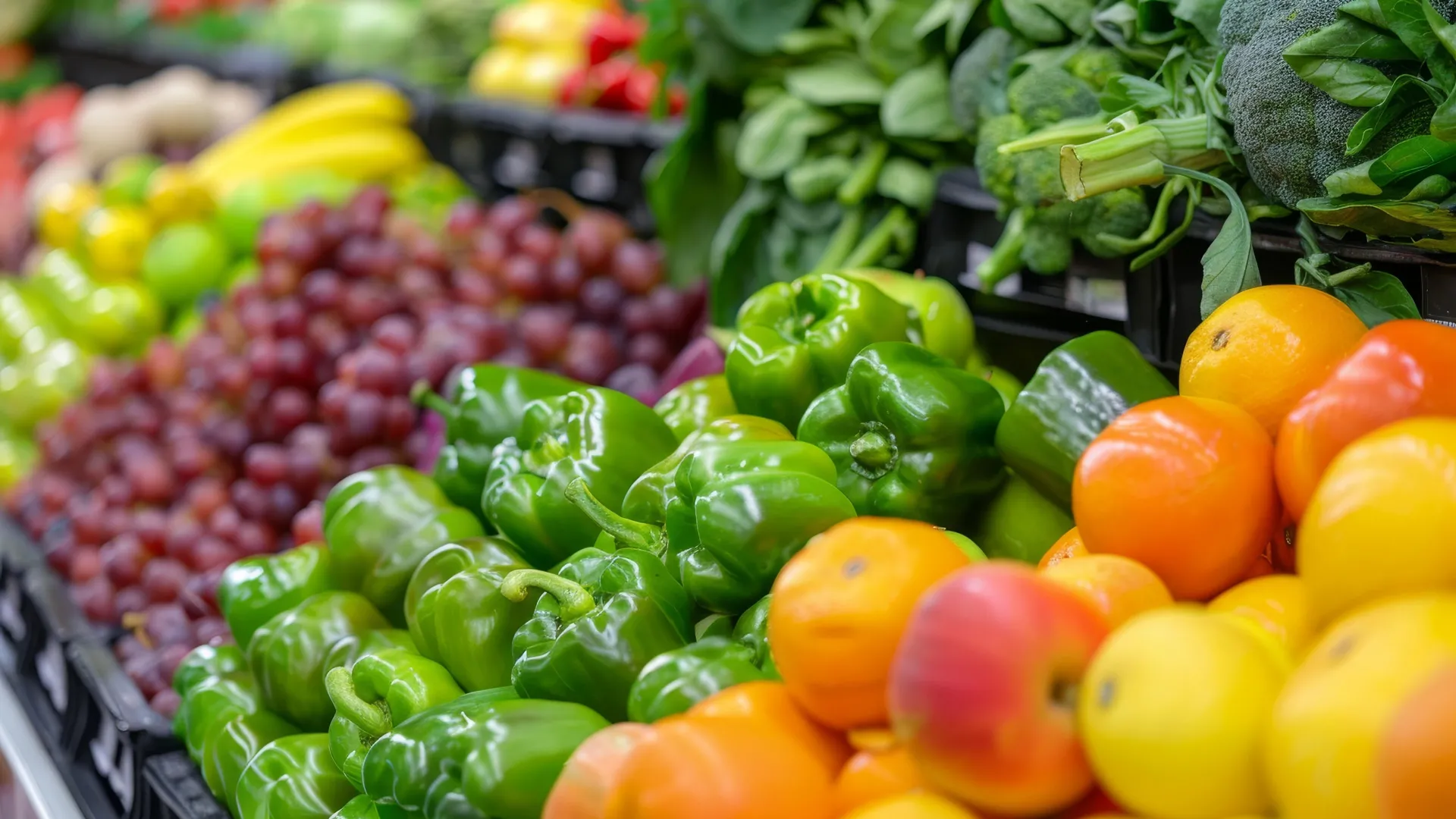
People who reported eating larger amounts of fruits and vegetables known to carry higher pesticide residues, including strawberries, spinach and bell peppers, showed significantly higher pesticide levels in their urine than those who mostly consumed lower residue produce. The results point to diet as a key driver of pesticide exposure and lay the groundwork for examining potential long term health effects.