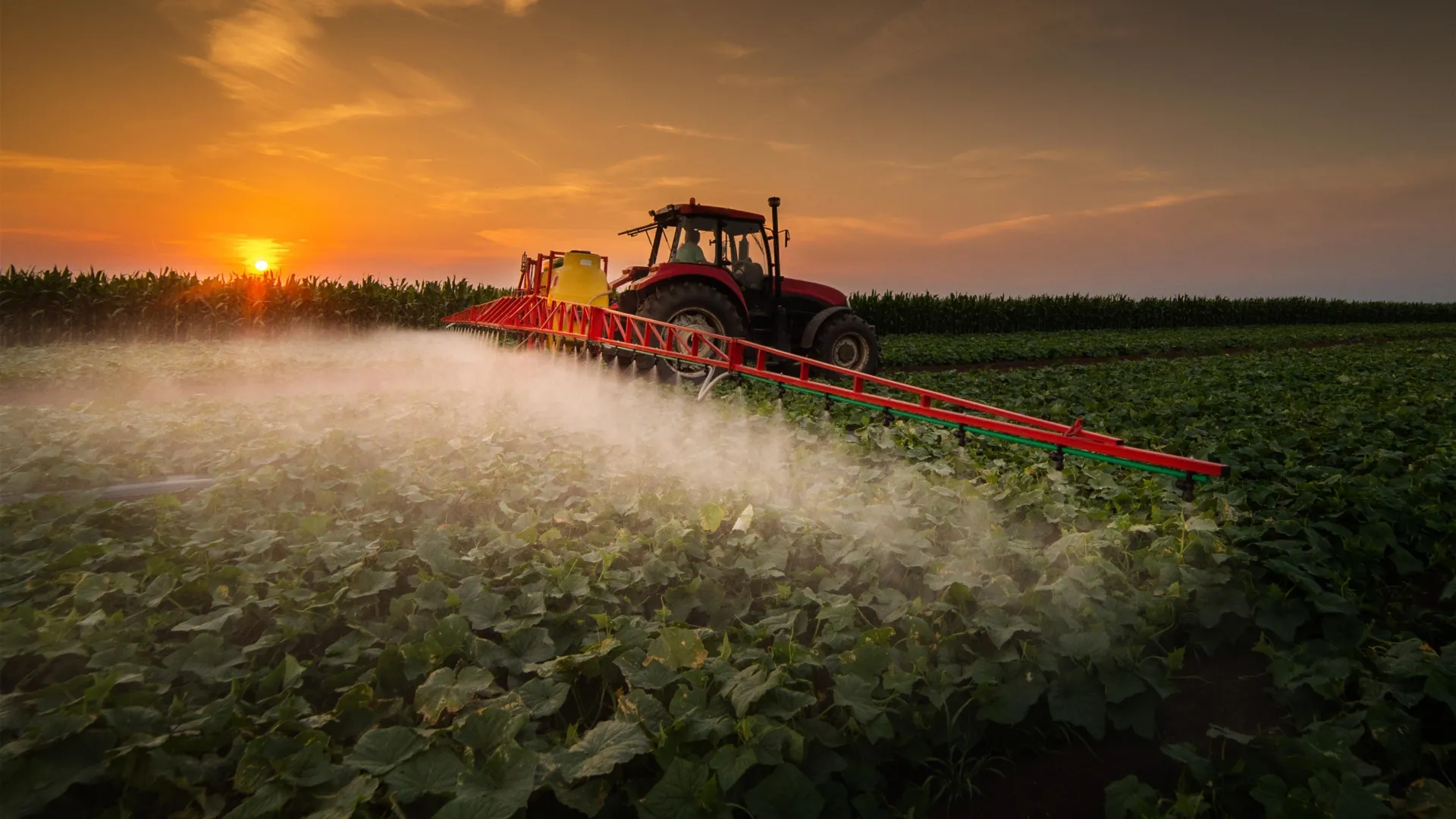
A major new study published in Nature Health has found a strong connection between environmental exposure to agricultural pesticides and an increased risk of cancer. By combining environmental monitoring, national cancer registry data, and biological research, scientists from the IRD, Institut Pasteur, University of Toulouse, and the National Institute of Neoplastic Diseases (INEN) in Peru provide new insight into how pesticide exposure may contribute to the development of certain cancers.
Pesticides are commonly found in food, water, and the surrounding environment, often as complex mixtures rather than single substances. This has made their health effects difficult to measure. Most previous research has focused on individual chemicals in controlled settings, which does not reflect how people are exposed in real life. This new study takes a broader approach, examining how multiple pesticides interact and affect populations under real-world conditions.
Why Peru Was Chosen for the Study
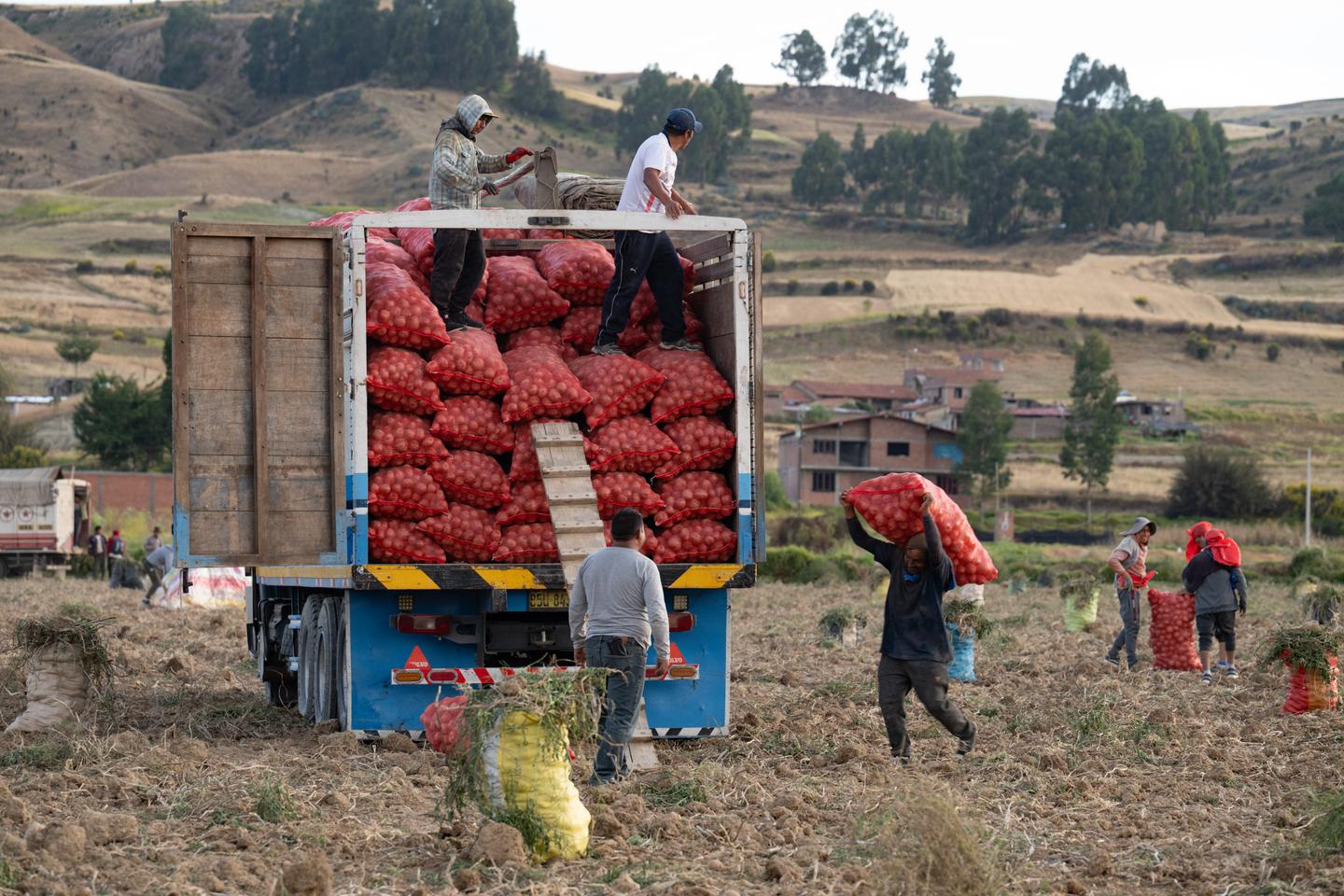
Peru offers a unique setting for this type of research. The country includes regions with intensive agriculture, diverse climates and ecosystems, and significant social and geographic inequalities. Cancer is an increasing public health concern, and pesticide exposure levels in some communities are particularly high.