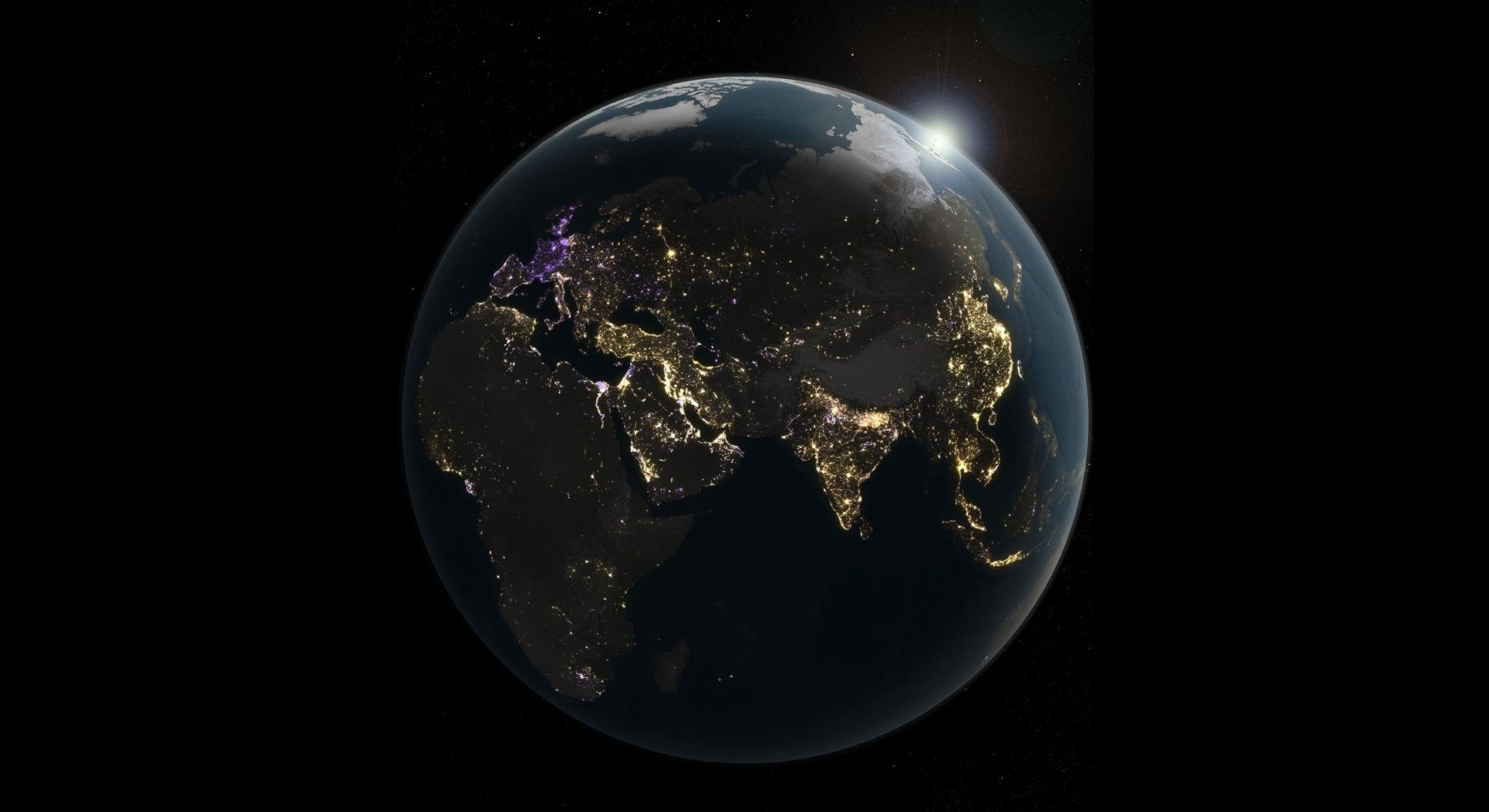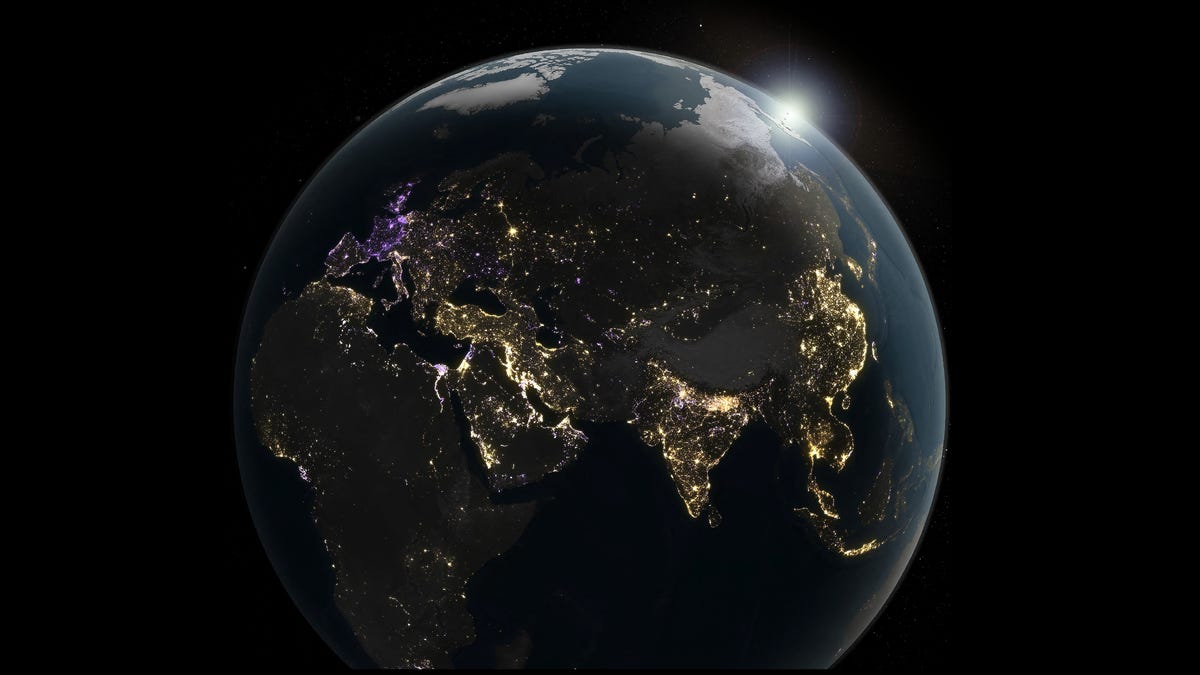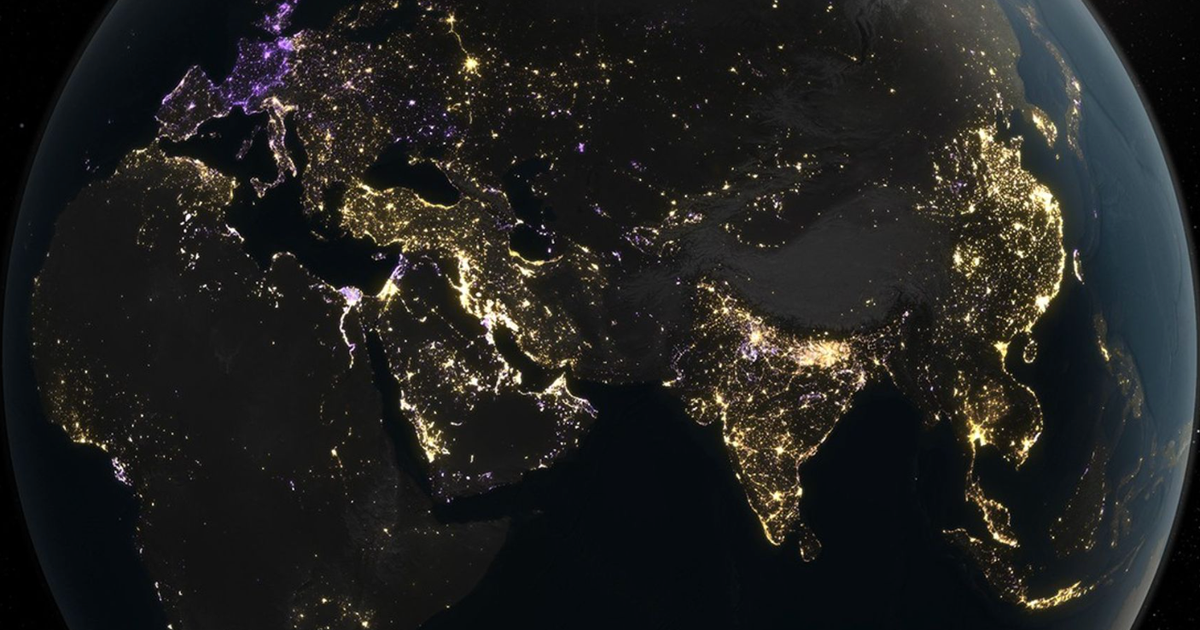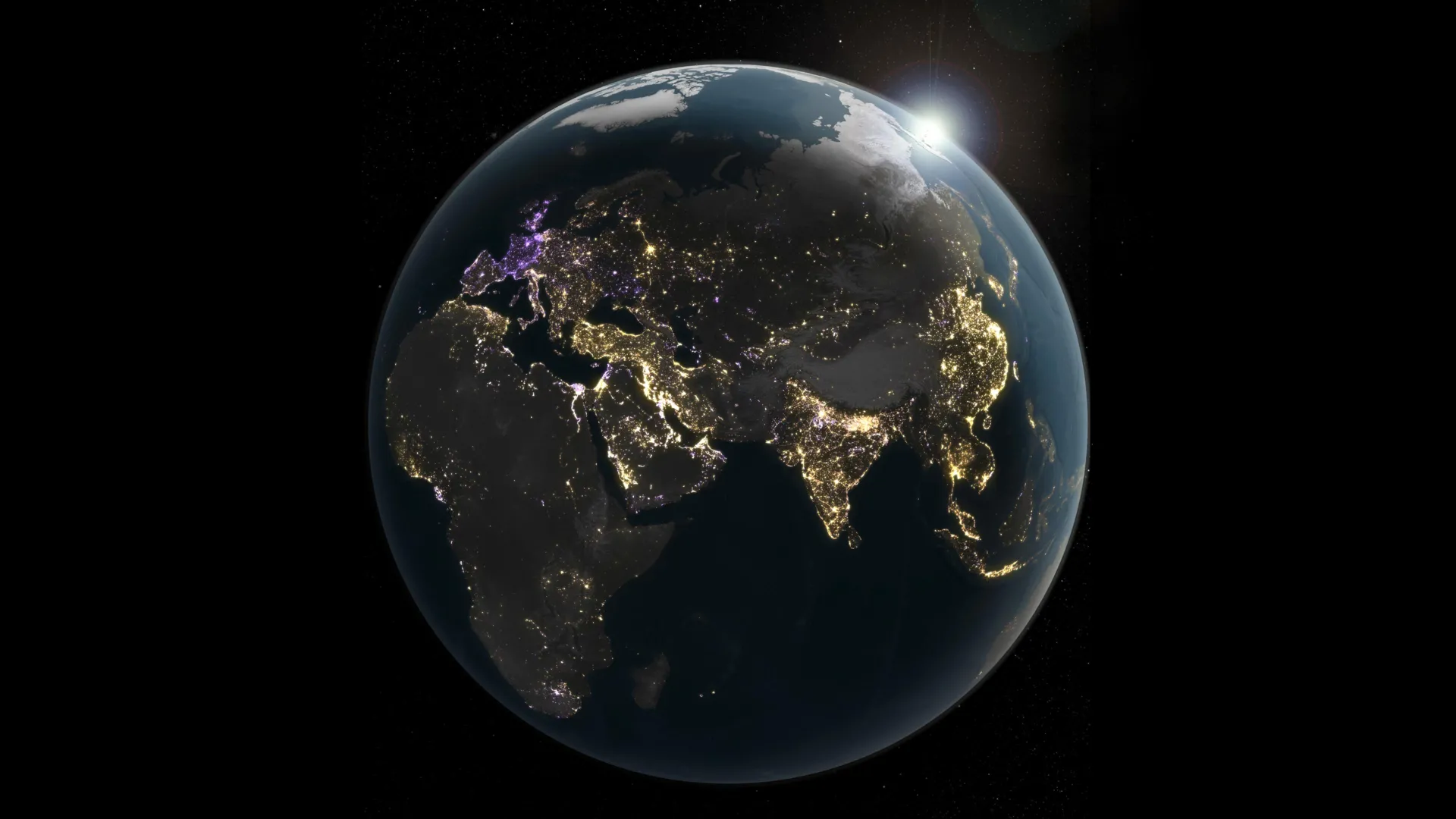
Satellite observations show that the planet is steadily getting brighter at night, but the trend is far from uniform. Data from the VIIRS DNB instrument, covering 2014 to 2022, indicate that global nighttime lighting has been increasing by roughly two percent each year.
"Although there has been a total increase of 16 percent worldwide, that does not mean that lighting is increasing everywhere," explained Christopher Kyba. "In areas where lighting increased, we found global emissions rose by 34 percent. This was offset by an 18 percent decrease in emissions from other areas."
These findings reveal that changes in nighttime lighting are more dynamic and localized than previously understood. Rapid urban growth made countries like China and India significantly brighter during the study period. In contrast, some industrialized nations saw declines in light emissions, often linked to the adoption of LED technology and policies aimed at reducing light pollution.
Regional Shifts Reflect Policy and Conflict
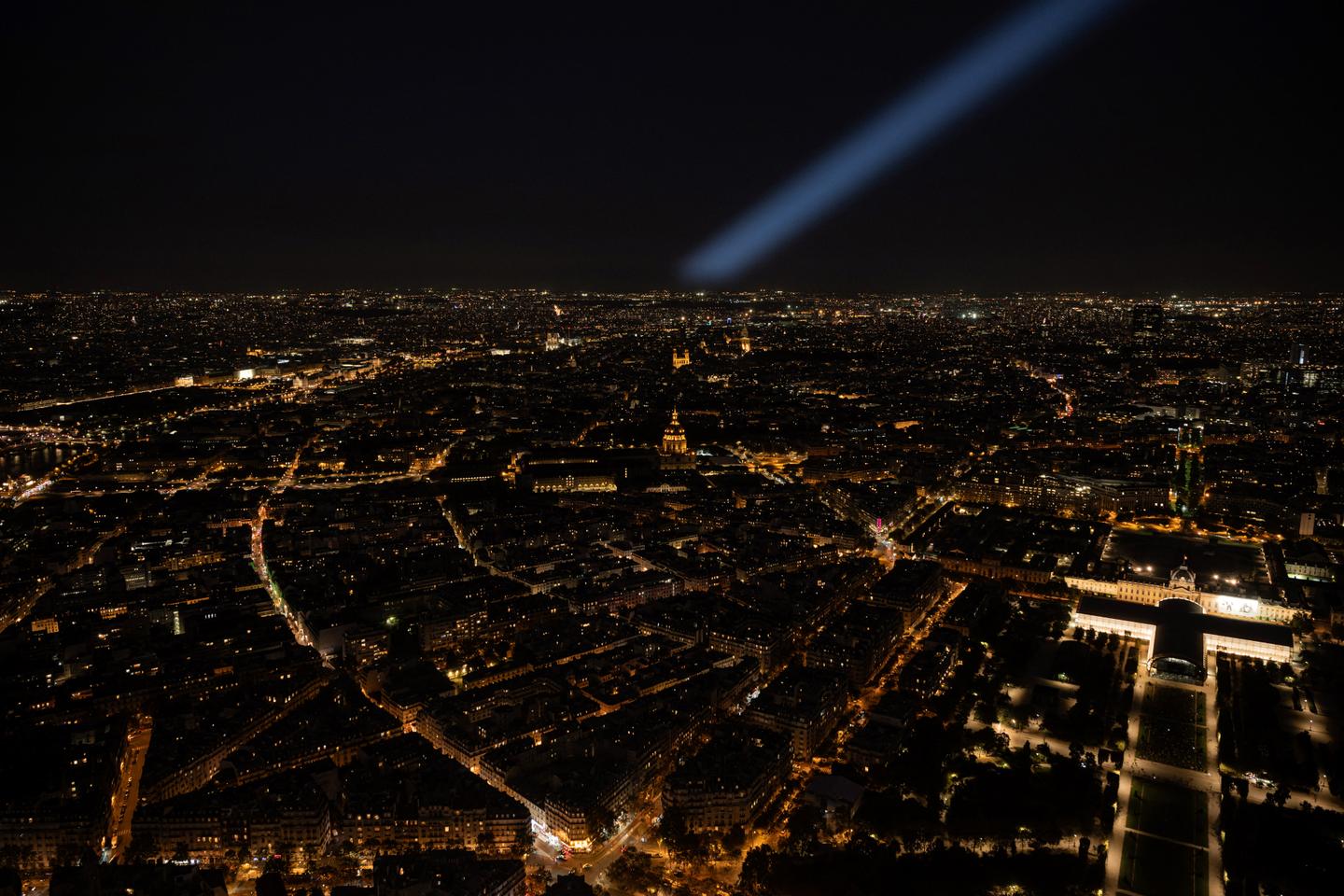
Not all changes are gradual. Ukraine experienced a sharp drop in nighttime lighting after the Russian invasion. France also saw a major reduction, with nighttime brightness falling by 33 percent as many cities turn off streetlights after midnight to conserve energy and limit light pollution.