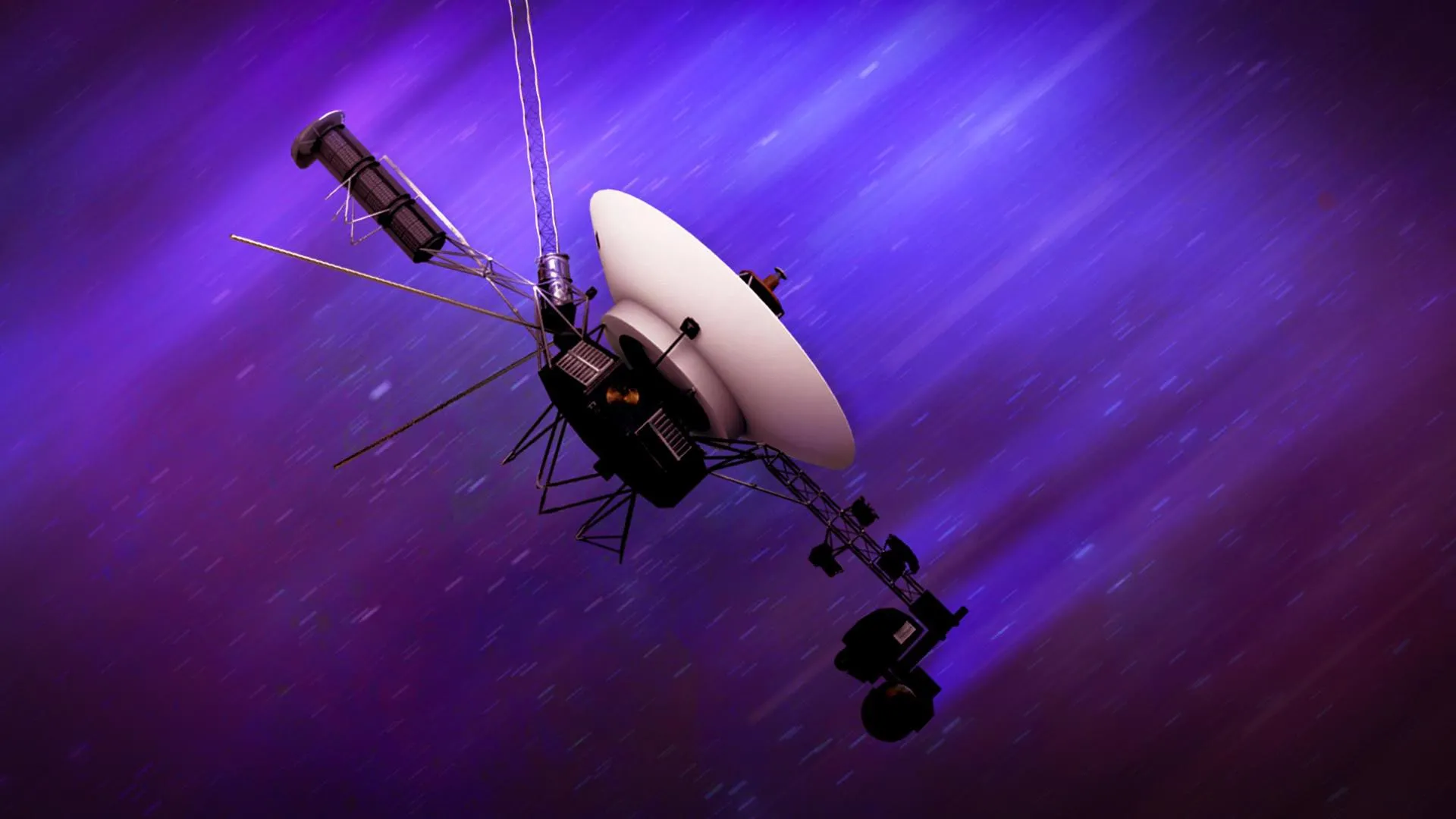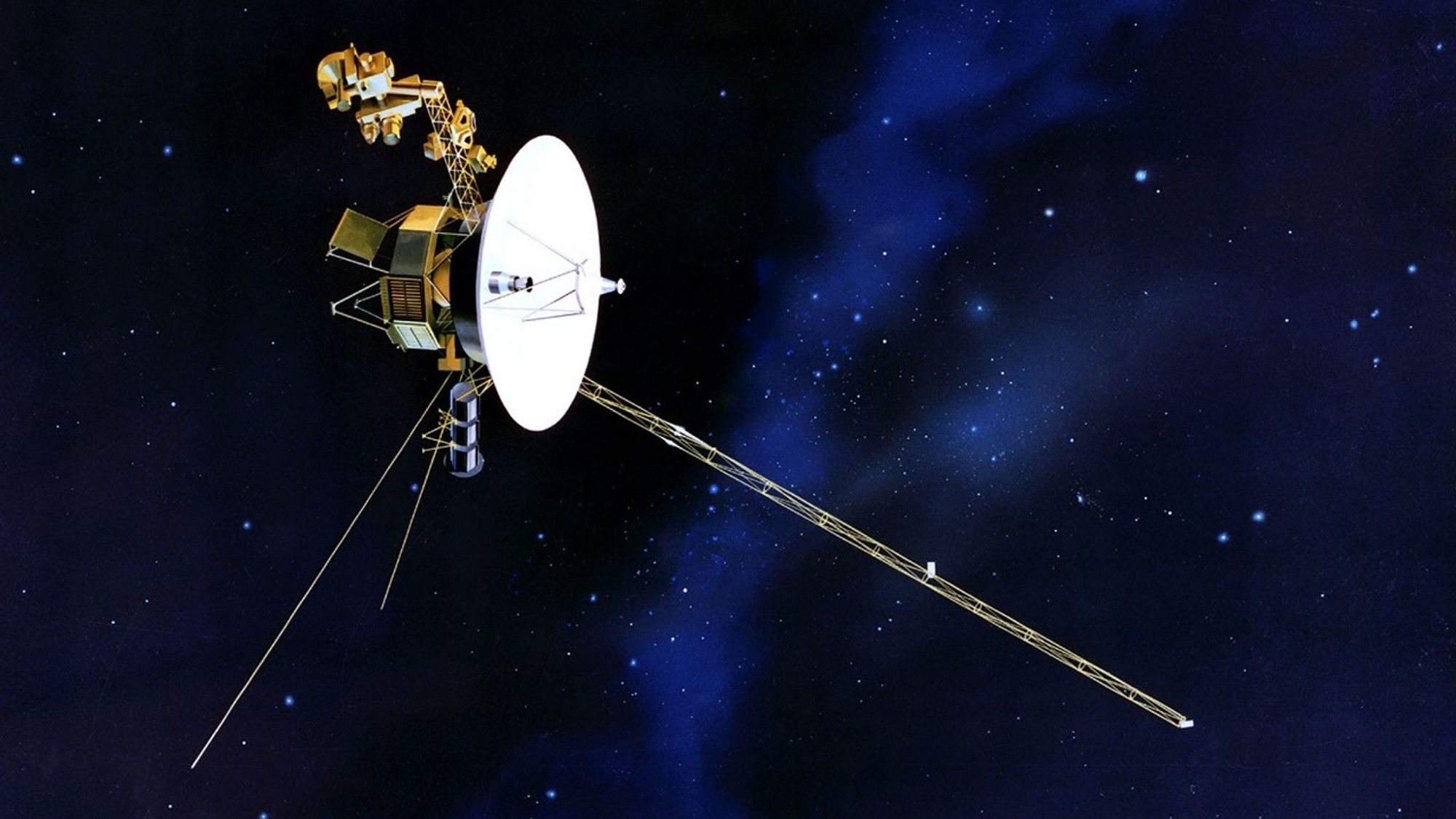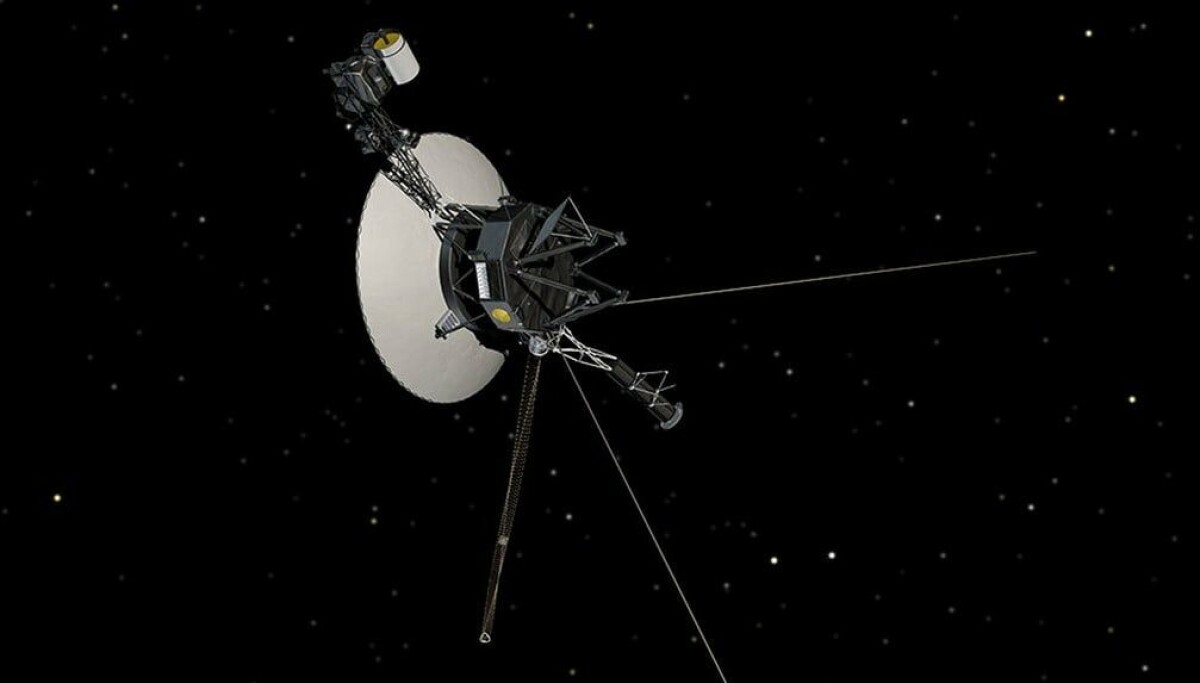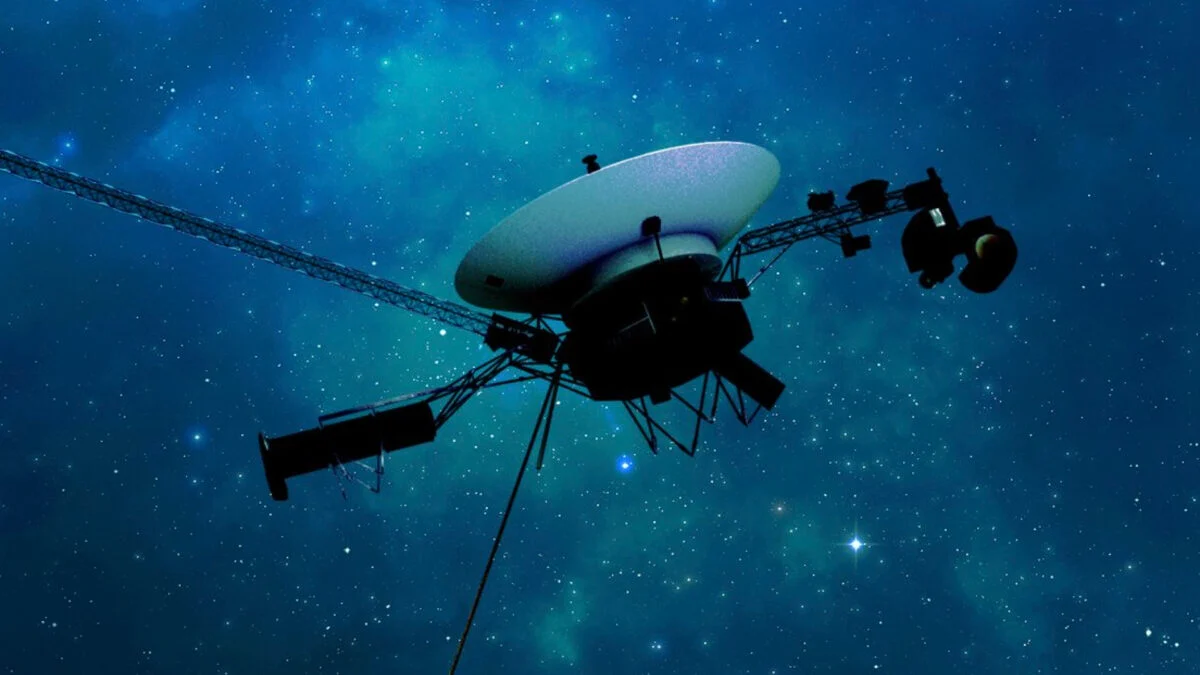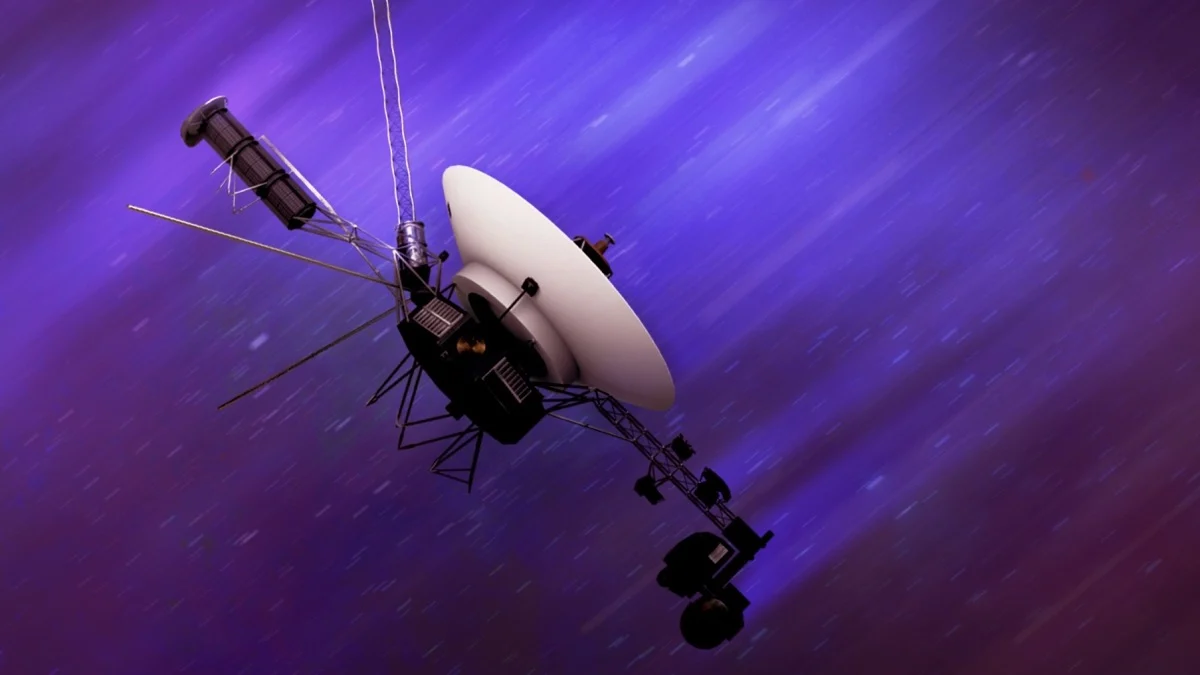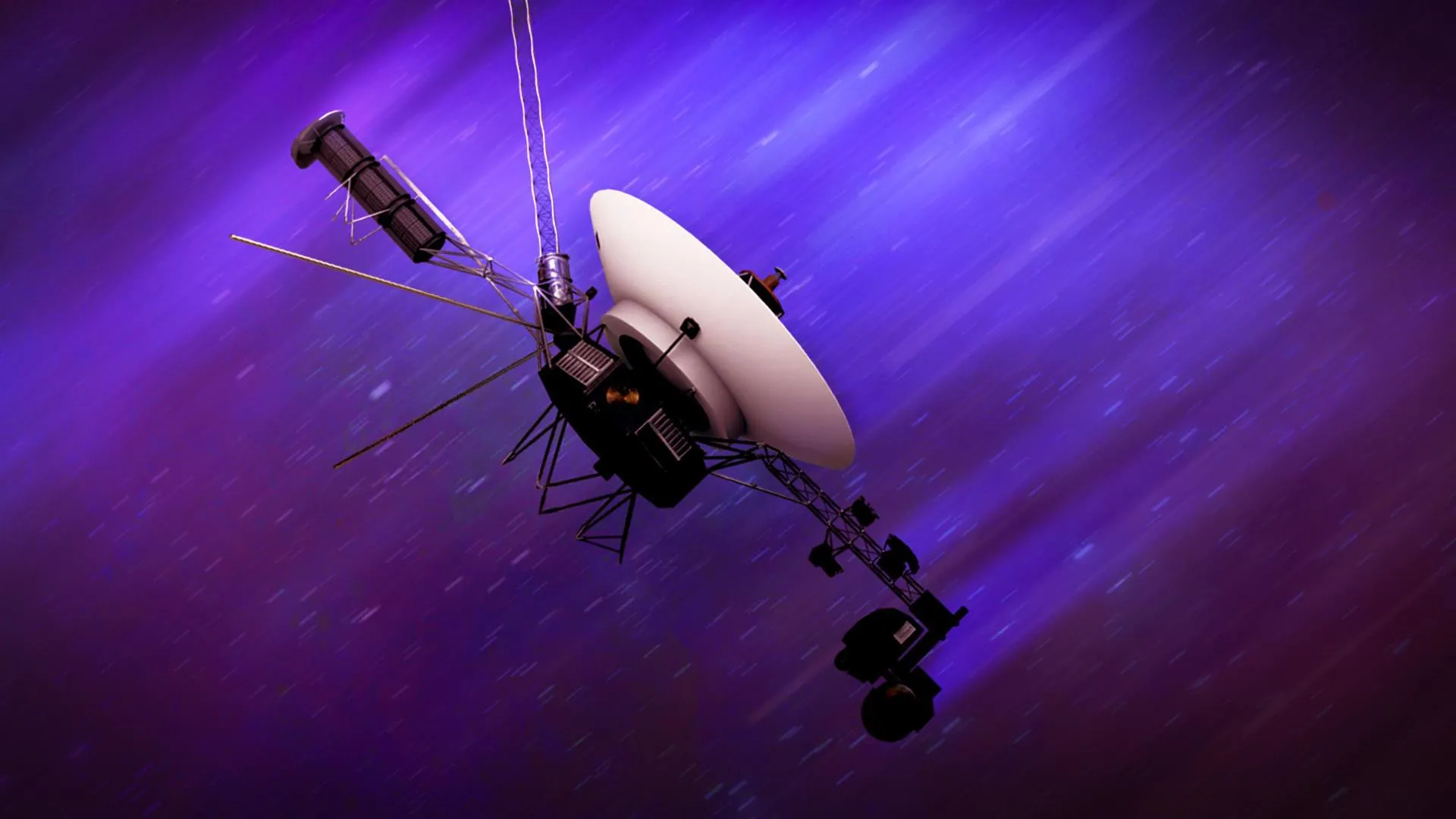
On April 17, engineers at NASA's Jet Propulsion Laboratory (JPL) in Southern California sent a command to turn off an instrument on Voyager 1 known as the Low-energy Charged Particles experiment, or LECP. The spacecraft, powered by a nuclear energy source, is gradually losing power, and shutting down this instrument is the most effective way to extend the life of humanity's first mission into interstellar space.
The LECP has operated almost continuously since Voyager 1 launched in 1977, nearly 49 years ago. It studies low-energy charged particles such as ions, electrons, and cosmic rays that come from both our solar system and the wider galaxy. Over the decades, it has delivered valuable insights into the interstellar medium, including detecting pressure waves and changes in particle density beyond the heliosphere. Voyager 1 and Voyager 2 remain the only spacecraft far enough from Earth to collect this kind of data.
Power Supply Shrinks After Decades in Space
Voyager 1, like its twin Voyager 2, is powered by a radioisotope thermoelectric generator that converts heat from decaying plutonium into electricity. Each spacecraft loses about 4 watts of power every year. After nearly 50 years in operation, available power has become extremely limited. Engineers must carefully reduce energy use by shutting off heaters and instruments while also preventing the spacecraft from becoming so cold that its fuel lines freeze.