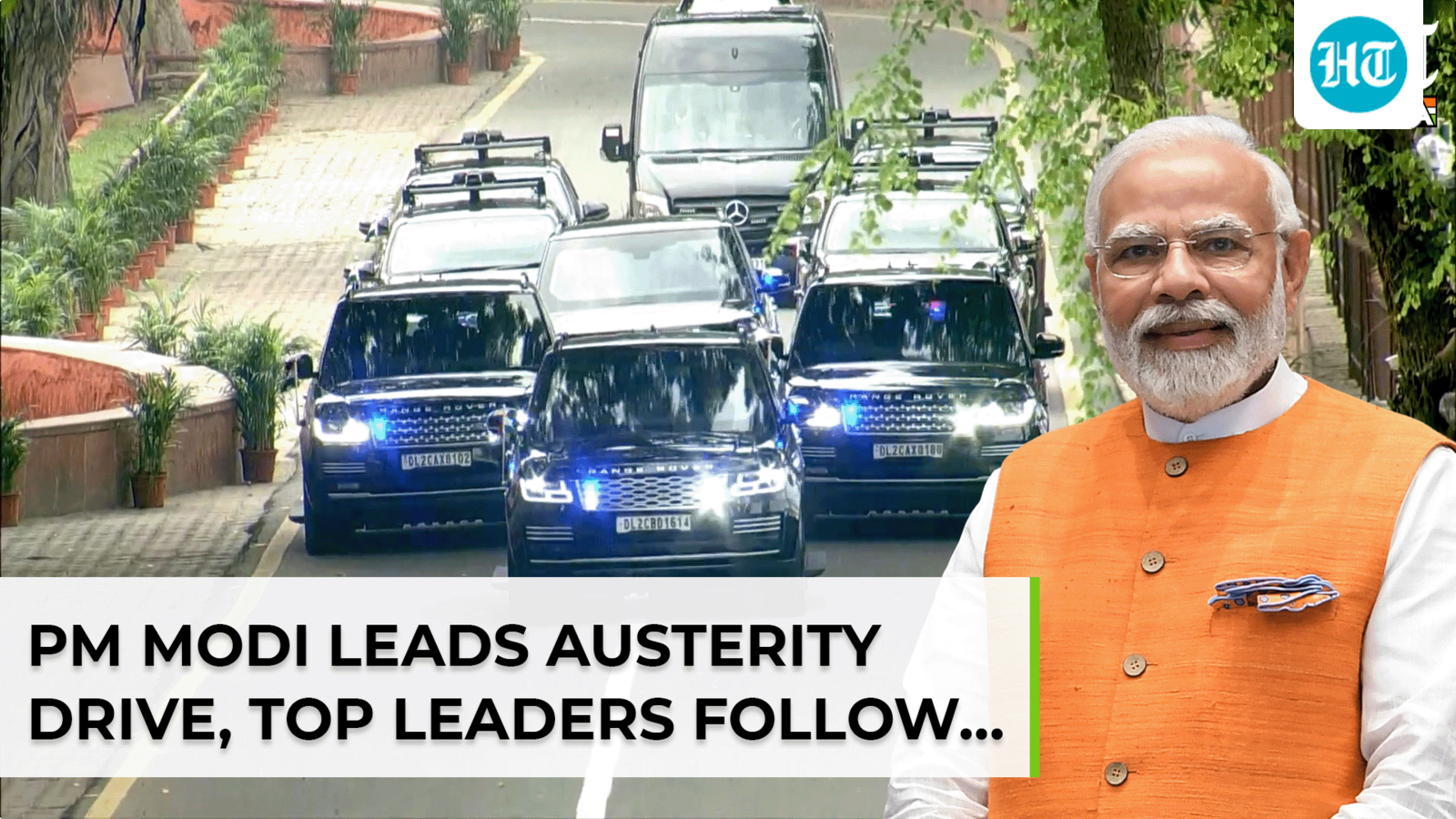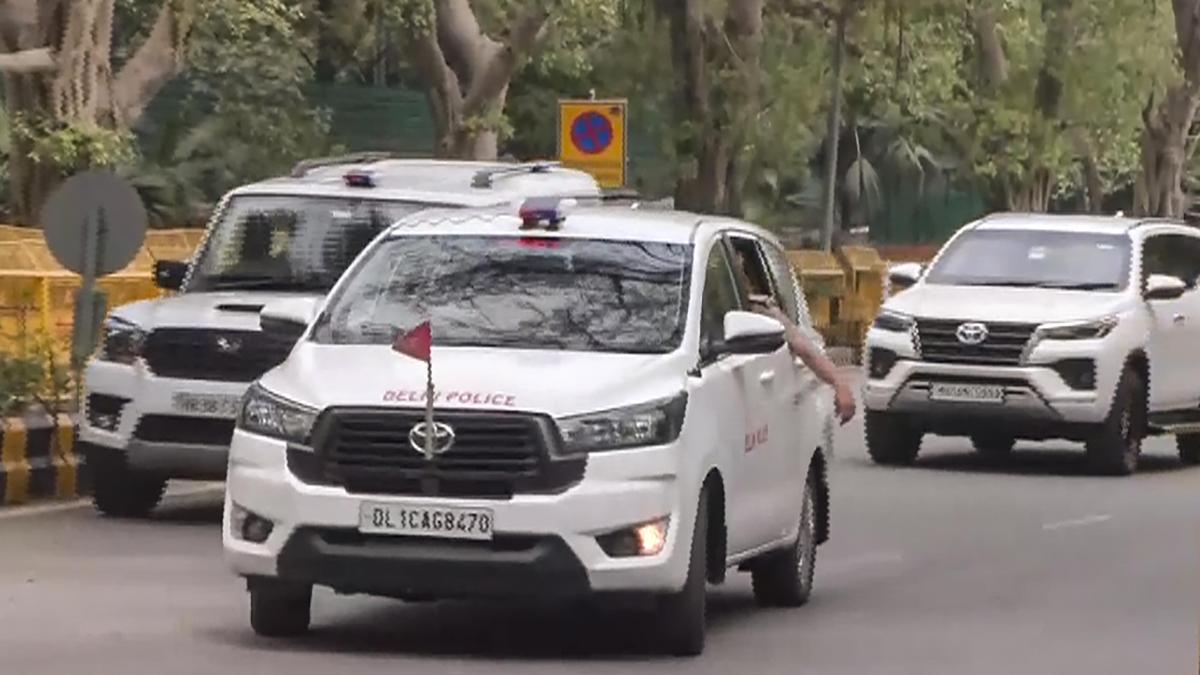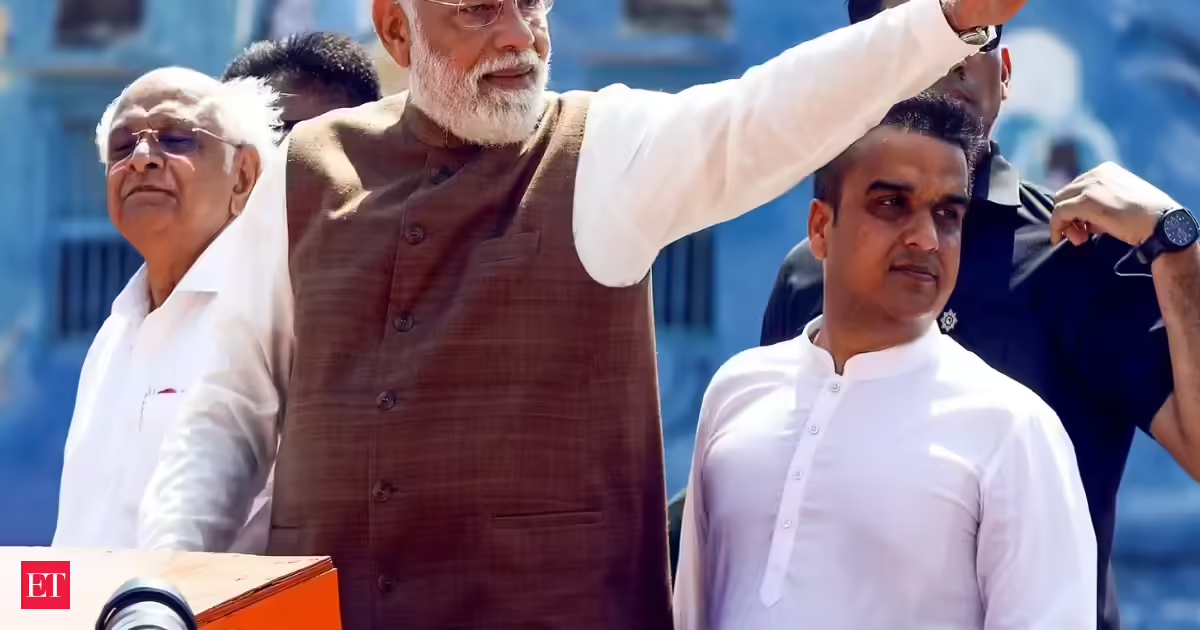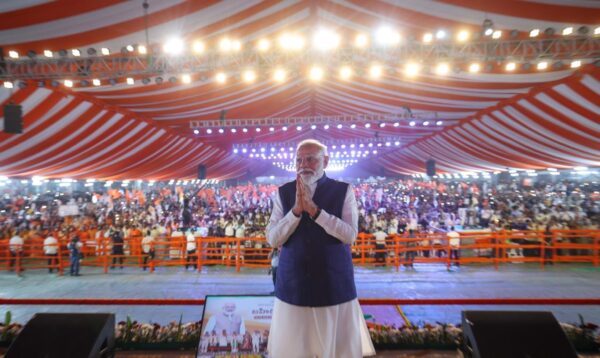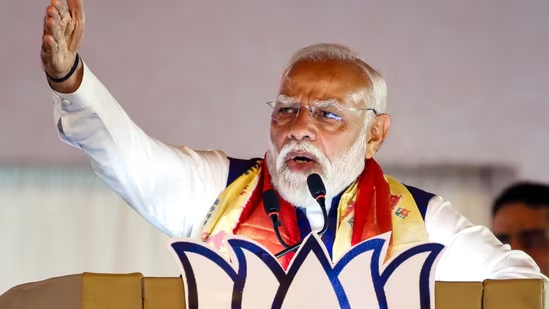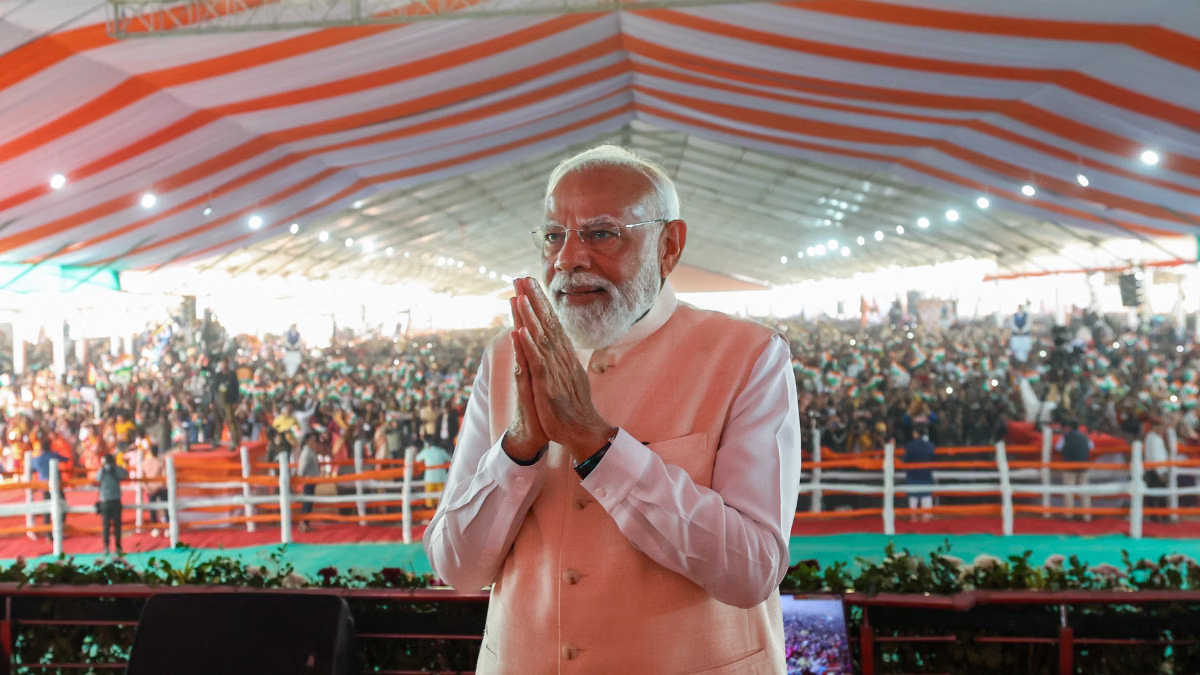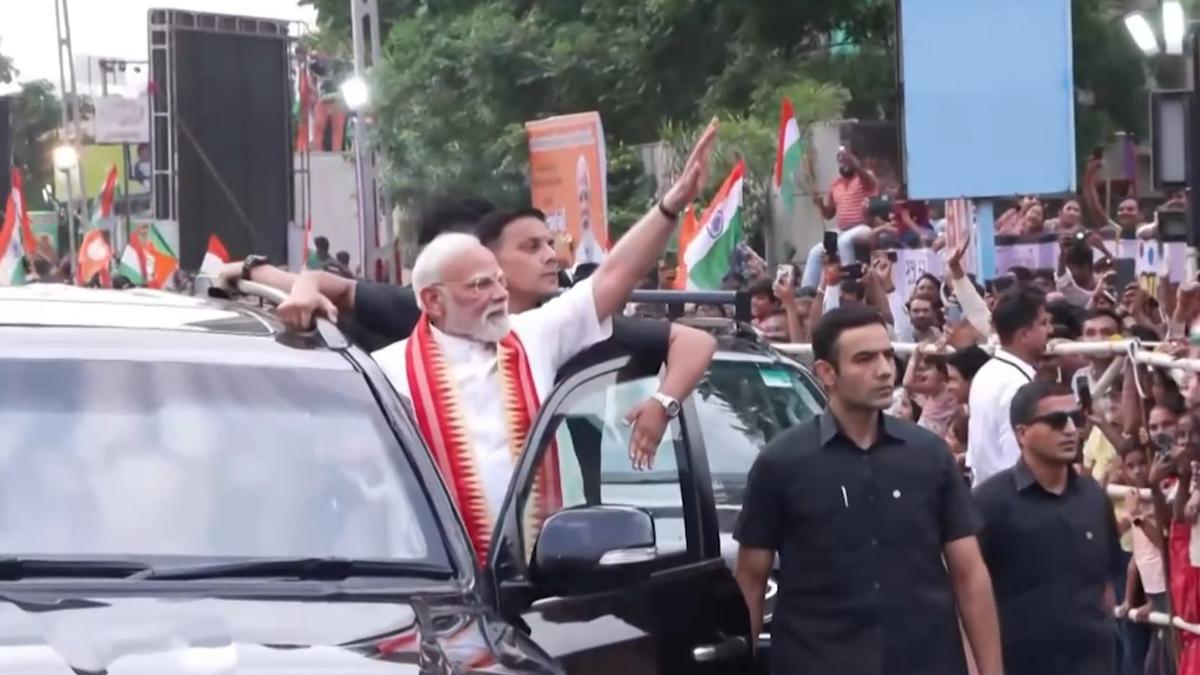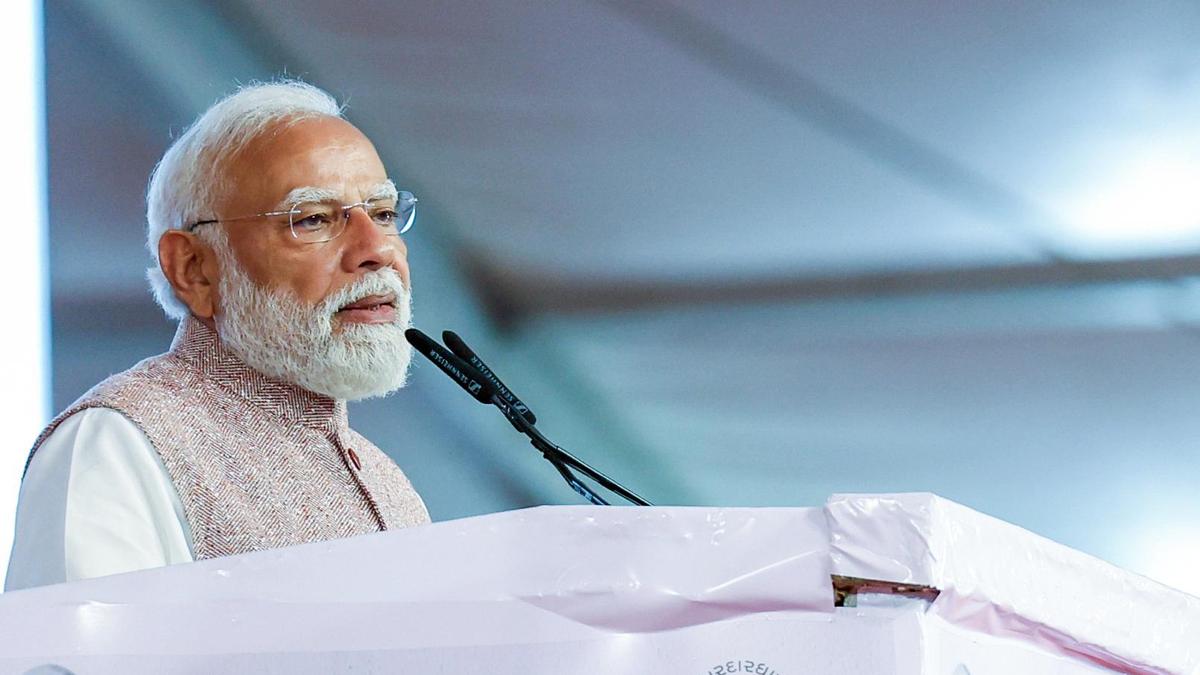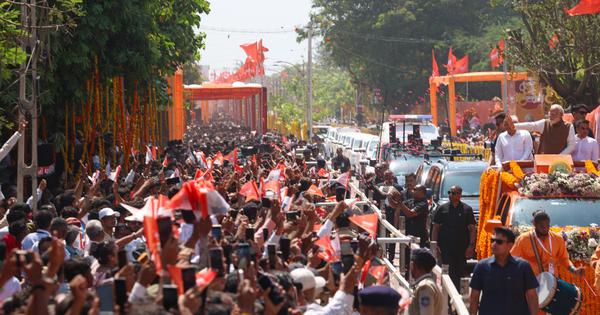
On May 10, Prime Minister Narendra Modi’s motorcade drove through Gujarat’s Jamnagar, a town known for housing the world’s largest oil refinery. Videos showed hundreds of Bharatiya Janata Party supporters lining the route, waving party flags and cheering.This political roadshow came just hours after Modi had called on Indians to adopt austerity measures to help weather the economic choppiness set off by the war in West Asia.At a rally in Hyderabad earlier that day, shortly after the conclusion of elections in several states, Modi had urged citizens to revive work-from-home practices adopted during the Covid-19 pandemic to reduce fuel consumption. He also called on his fellow citizens to use public transport and to carpool.The prime minister also urged Indians to avoid non-essential foreign travel for a year.India imports about 90% of its crude oil requirements. Most of this is shipped in through the Strait of Hormuz, which has been effectively blocked since the war between United States-Israel and Iran began on February 28. The constrained supply has driven up global oil prices by more than 50% since the conflict began.Conserving foreign exchange reserves, Modi said, was “an act of patriotism”.Hours before making the appeal, Modi had held another roadshow in Hyderabad.Modi’s long convoys prompted social media users to point to the gulf between the restrictions the prime minister was urging his fellow citizens to adopt and his own actions.To many Indians, the events in Telangana and Gujarat seemed quite superfluous.On May 11, the day after the Jamnagar motorcade, Modi travelled to Gujarat’s Somnath for a religious ceremony to mark 75 years of the inauguration of the restored Hindu temple there. The event included an airshow by fuel-guzzling aircraft of the Indian Air Force’s aerobatics team. In Somnath, Modi was the star of yet another roadshow.On May 11, there was another roadshow in Vadodara a day before Modi travelled to Assam for the swearing-in ceremony of the state Cabinet. The event in Guwahati would not seem to have required Modi’s presence: after all, the BJP was forming its third consecutive government in the state.On May 7, just three days before Modi called for austerity, he had been in Patna for another swearing-in ceremony. This time, it was merely an expansion of the state’s Cabinet. Of course, it involved a roadshow for Modi.This led to questions about whether it was essential for Modi and other leaders of the ruling National Democratic Alliance to participate in these events.After three days of intense criticism about the contradictions, the media carried claims – attributed only to “sources” – that the size of Modi’s convoy had been reduced “immediately after his speech in Hyderabad”. Social media was suddenly filled with videos of NDA leaders suddenly using electric vehicles or taking public transport.On May 15, as Modi began a five-nation tour, social media users wondered if the visit was necessary amid the economic troubles. While a head of government’s tours are planned several weeks or months in advance, the energy shock caused by the conflict had been predicted more than two months ago.Within days of the conflict breaking out, several countries had introduced measures to conserve fuel. India had also partly increased the price of commercial liquefied petroleum gas cylinders on April 1.Why did Modi delay his call for austerity till May 10 even though this course of action seemed inevitable all along?Why was saving fuel evidently not a consideration for several weeks of election campaigning?These perceived excesses in the time of austerity would seem to signal to Modi’s fellow citizens that austerity is not essential if their prime minister isn’t walking the talk himself. As one cartoonist begged Modi, “No foreign trips, please work from home.”Also read: Modi’s austerity appeals are a misplaced solution for India’s economic woesHere is a summary of last week’s top stories.Paper leaks. The re-exam for the 2026 undergraduate National Eligibility cum Entrance Test will be held on June 21. The National Testing Agency made the announcement as the test conducted on May 3, in which more than 22 lakh students appeared, had been cancelled following allegations of a paper leak.The Central Bureau of Investigation has arrested at least seven persons and conducted searches at several locations in the country in connection with the case.Johanna Deeksha reports about why the National Testing Agency continues to fail students in India.A place of worship dispute. The Madhya Pradesh High Court held that the disputed Bhojshala-Kamal Maula mosque complex in Dhar district is a temple of the Hindu deity Saraswati. The bench quashed a 2003 order of the Archaeological Survey of India, which allowed Hindus to perform prayers on the premises on Tuesdays and Muslims to offer namaz in the complex on Fridays.It also allowed the Muslim side to seek alternative land in the district to build a mosque. The court said it arrived at its decision on the basis of the precedent laid down by the Supreme Court in the Ram Janmabhoomi-Babri Masjid case.From Babri to Gyanvapi, how India’s courts have helped escalate Hindutva claims on mosques, explains Umang Poddar.Contempt proceedings. Delhi High Court judge Swarana Kanta Sharma initiated contempt of court proceedings against Aam Aadmi Party leaders Arvind Kejriwal and Manish Sisodia, and several others, for allegedly defaming and vilifying her on social media in connection with the liquor policy case. However, Sharma recused herself from hearing the Central Bureau of Investigation’s revision petition against their discharge in the case.This came after Kejriwal and others said in April that they would boycott the proceedings before Sharma after the judge rejected their petition demanding that she recuse herself from hearing the case.Also on Scroll last weekHow slow counting of votes in Bengal helped BJP win a lost seat from TrinamoolWhy five new districts in Ladakh have led to fears of exclusion, gerrymanderingIndian hospitals are pushing robotic surgery, but do you really need it?Gujarat fisherfolk in crisis after two summers of warWhy US has accused some Indian students of misusing visa provision that allows practical trainingIndia’s massive judicial backlog can be tackled by a simple legal provision that already existsWhy India must abandon the post-1991 economic ideology and forge its own path – like ChinaWho is responsible when underage drivers cause fatal crashes? Indian law needs a reform‘Baapya’ review: A gender bender about a man who loved a woman who was always a manReview: In ‘Exam’, tough questions and wishy-washy answersFollow the Scroll channel on WhatsApp for a curated selection of the news that matters throughout the day, and a round-up of major developments in India and around the world every evening. What you won’t get: spam.And, if you haven’t already, sign up for our Daily Brief newsletter.
Excesses in the time of austerity
PM Narendra Modi’s long convoys and roadshows led to questions about the gulf between the measures he was urging fellow citizens to adopt and his own actions.
1,114 words~5 min read