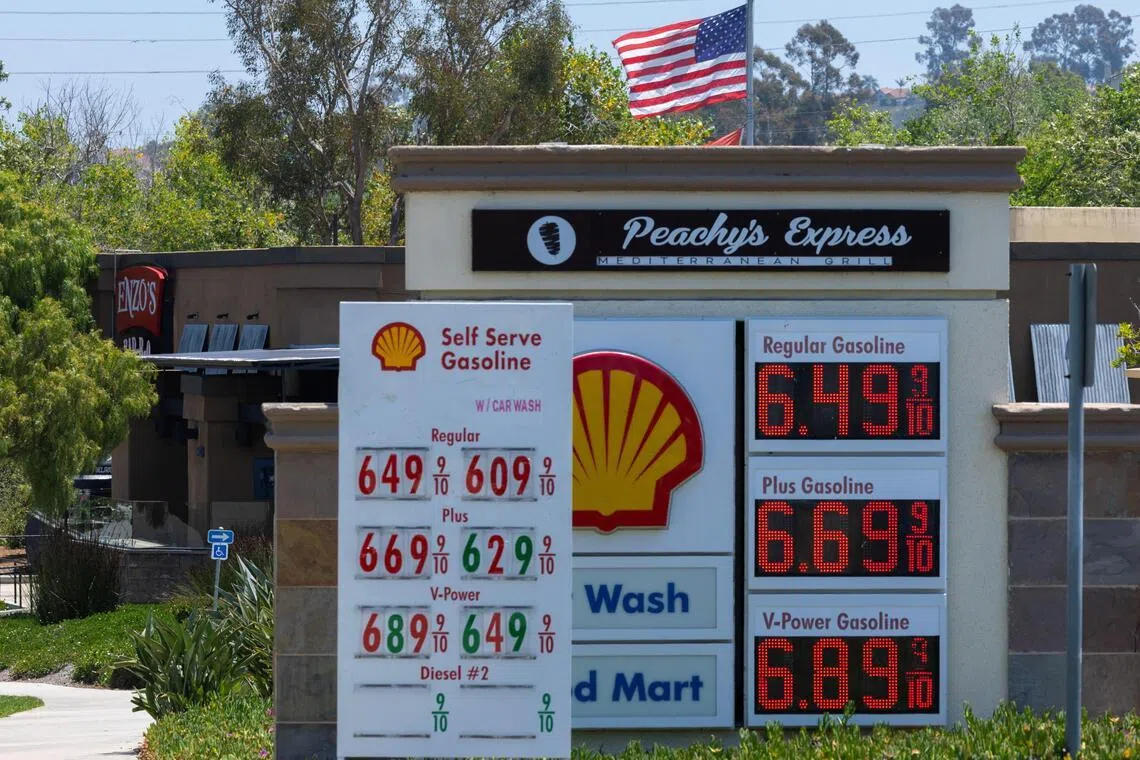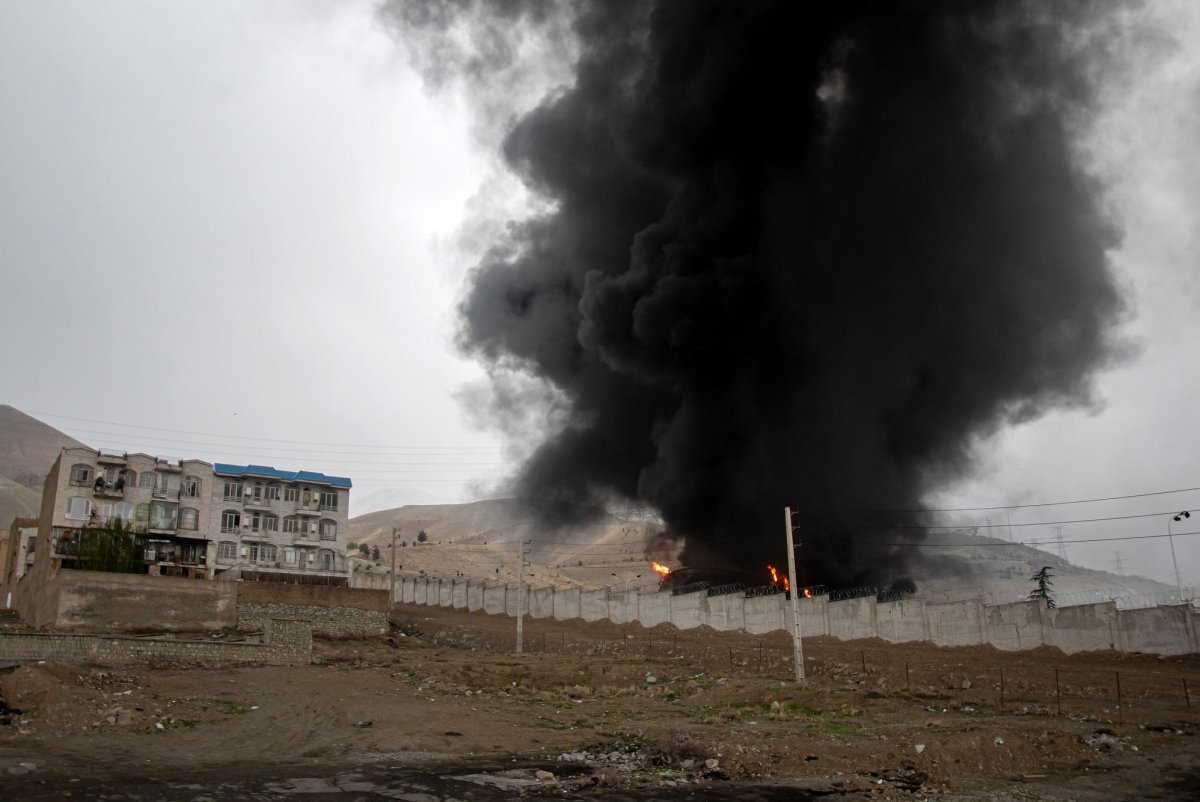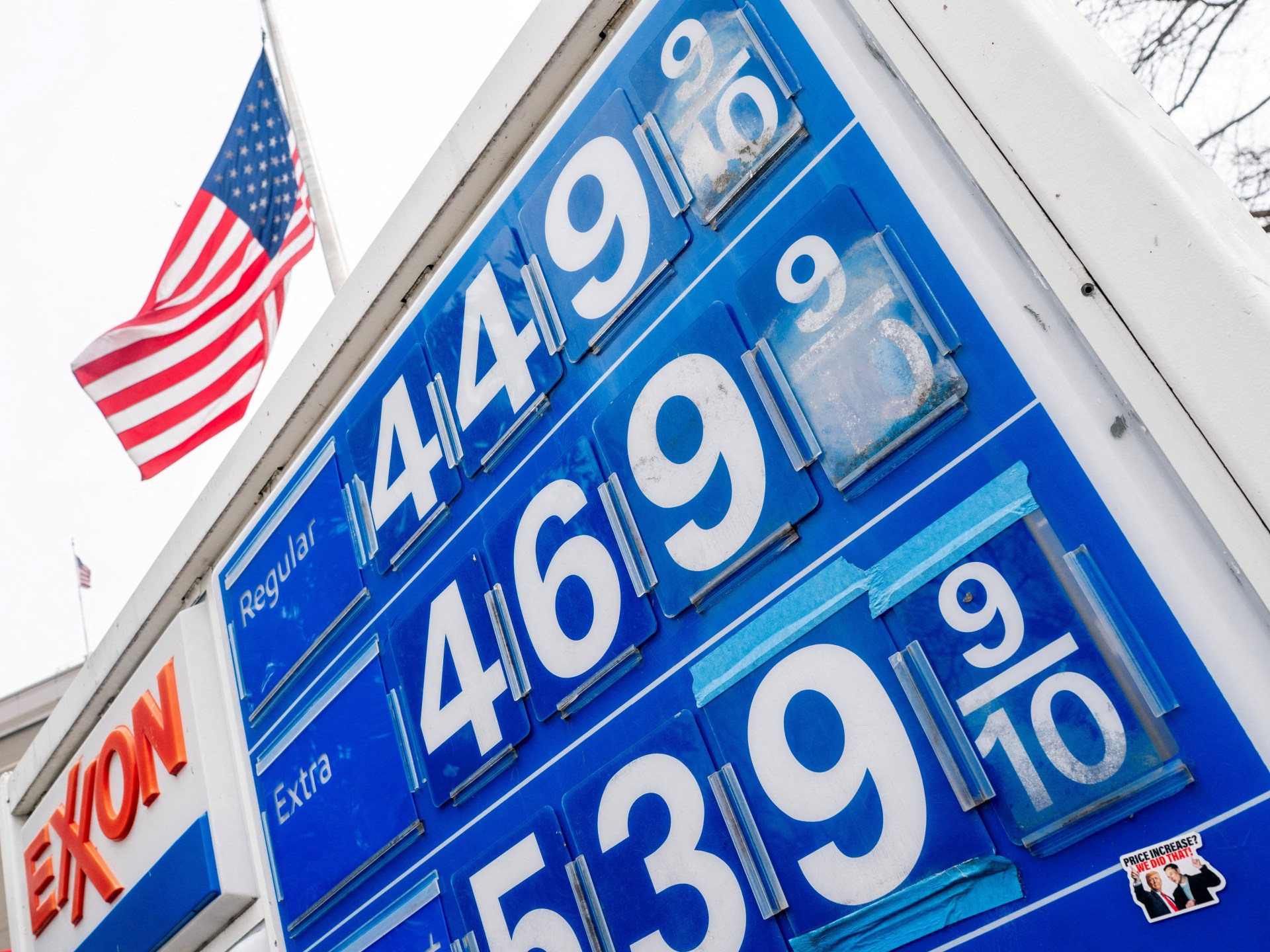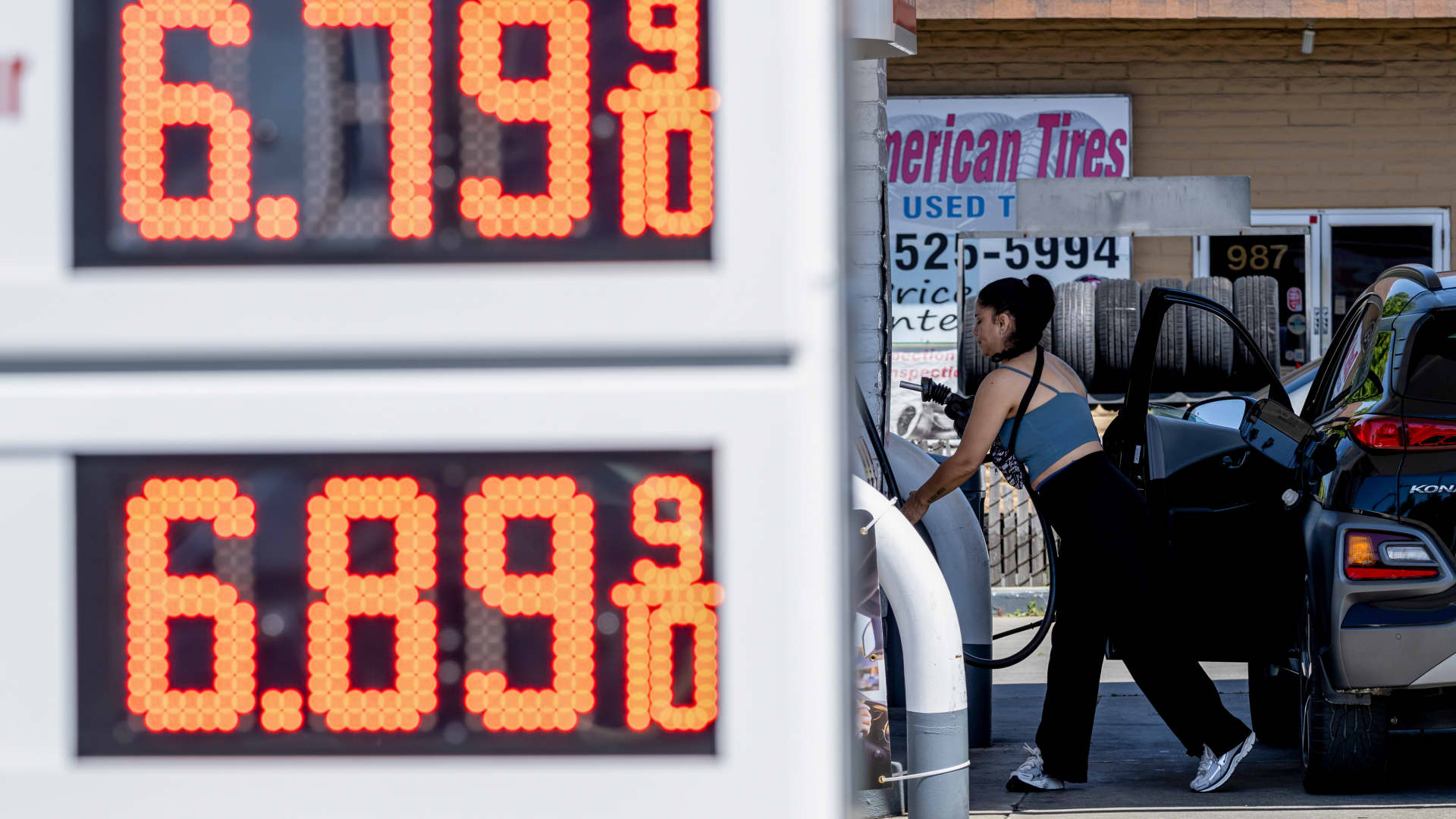
Wars have a way of showing up at the gas pump. Conflicts in the Middle East and Eastern Europe are estimated to cost the US economy roughly $45 billion annually through elevated energy prices, a figure that translates to about 0.15-0.2% of GDP.
That’s not enough to trigger a recession. But for the tens of millions of Americans already stretched thin by years of inflation, it’s the difference between making rent and falling behind.
The war premium hiding in your energy bill
Every time a missile strikes near an oil field or a shipping lane gets disrupted, traders price that uncertainty into crude oil futures. The result is what analysts call a “war premium,” an estimated $5-15 per barrel tacked onto Brent and WTI crude prices during periods of heightened tension. That premium ripples through the entire economy. Gasoline costs more. Diesel costs more, which means everything that moves by truck costs more. Heating bills climb. Electricity rates follow.
A sustained $10 per barrel increase in oil prices is estimated to shave 0.1-0.2 percentage points off US GDP after one year. The $45 billion estimate sits comfortably within that modeling range, consistent with analyses from multiple economic research entities studying oil price shocks in advanced economies.