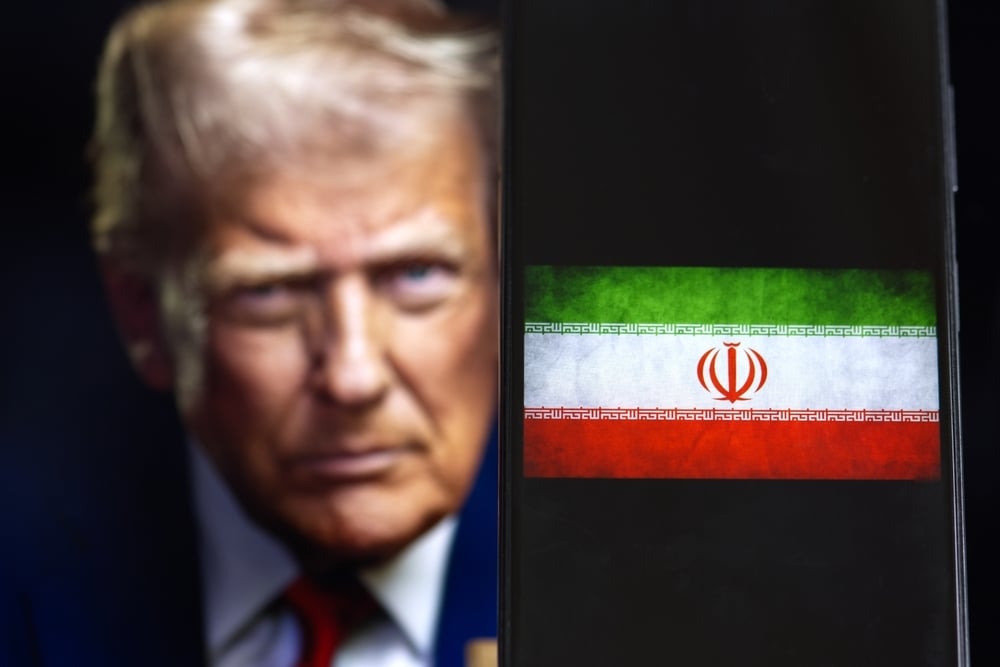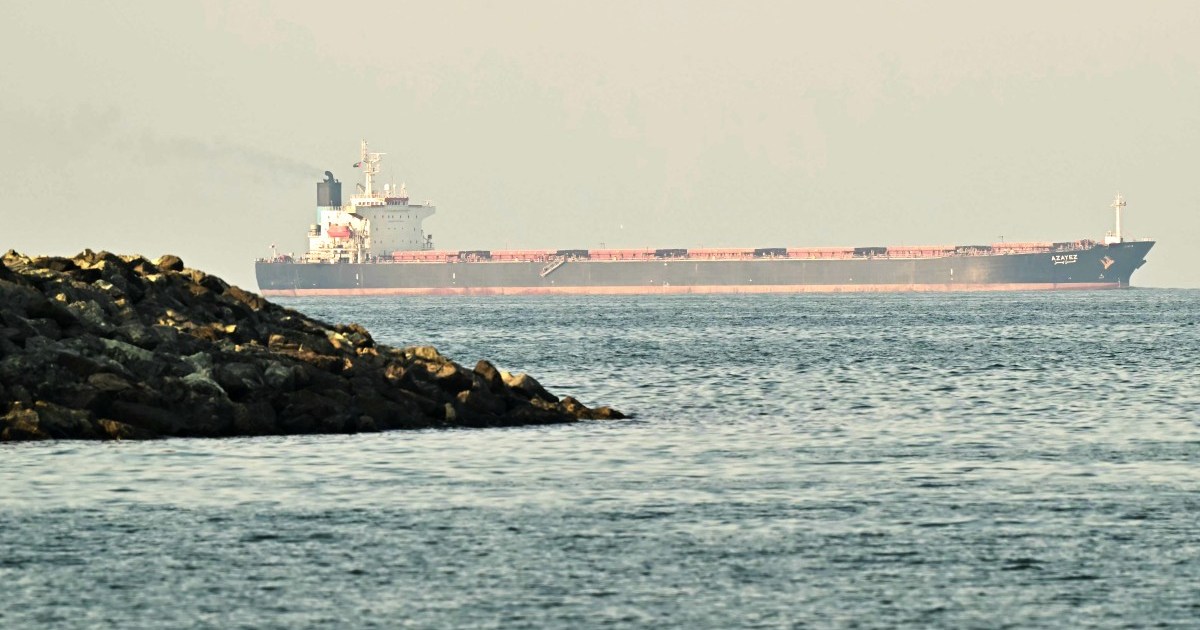
The U.S. war on Iran has upended energy markets and gut-punched the global economy, especially countries in Asia, the Middle East, Africa, and Europe. But the United States is not nearly as immune to the economic fallout from the war as U.S. President Donald Trump seems to think—and it is starting to show.
There is a whole slew of economic indicators flashing “check engine” across the dashboard of the U.S. economy that show that the prolonged war in the Middle East is reigniting inflation, fouling supply chains, and dampening hopes of a tax-cut-fueled growth spurt this year.
The U.S. war on Iran has upended energy markets and gut-punched the global economy, especially countries in Asia, the Middle East, Africa, and Europe. But the United States is not nearly as immune to the economic fallout from the war as U.S. President Donald Trump seems to think—and it is starting to show.
There is a whole slew of economic indicators flashing “check engine” across the dashboard of the U.S. economy that show that the prolonged war in the Middle East is reigniting inflation, fouling supply chains, and dampening hopes of a tax-cut-fueled growth spurt this year.
Those economic headwinds are one reason that Iran is sticking to its guns in talks with the United States to end the war. They are also one reason Democrats are increasingly confident that they will recapture at least one chamber in this year’s midterm elections.