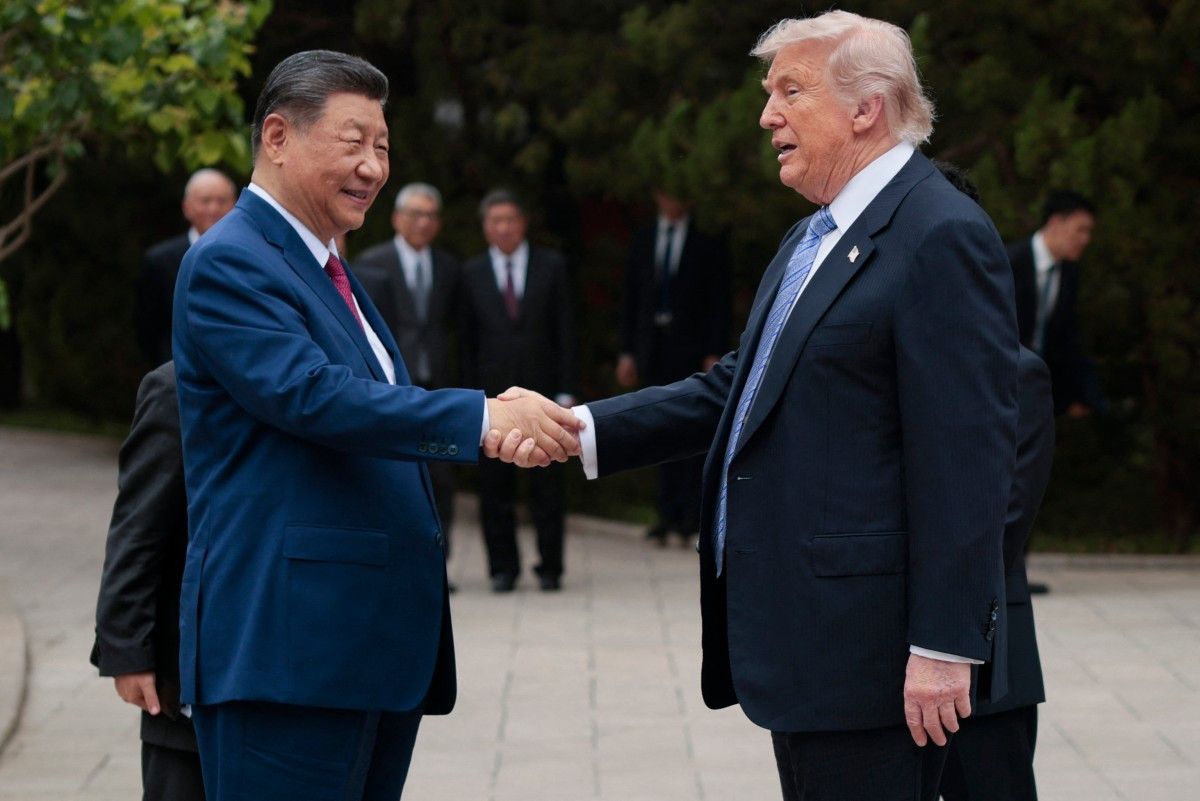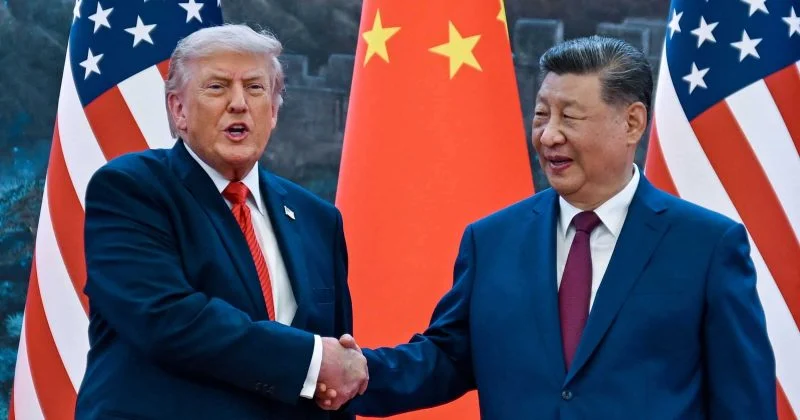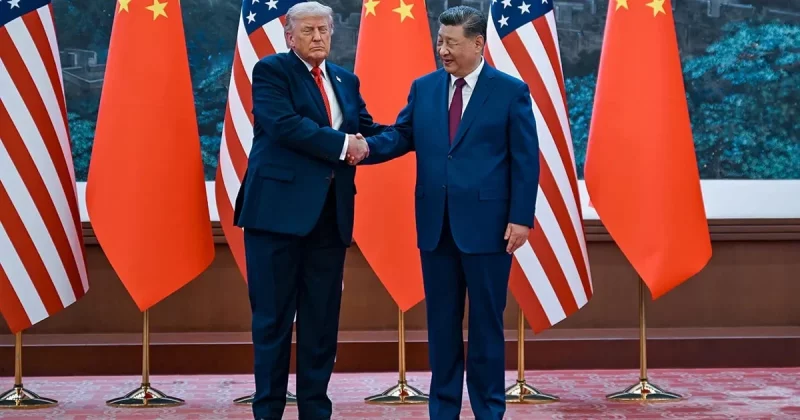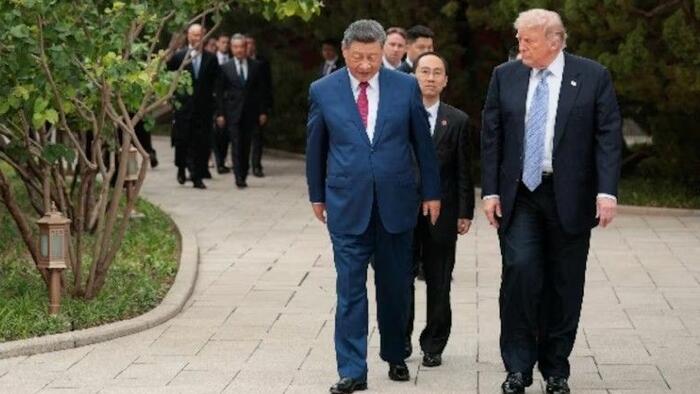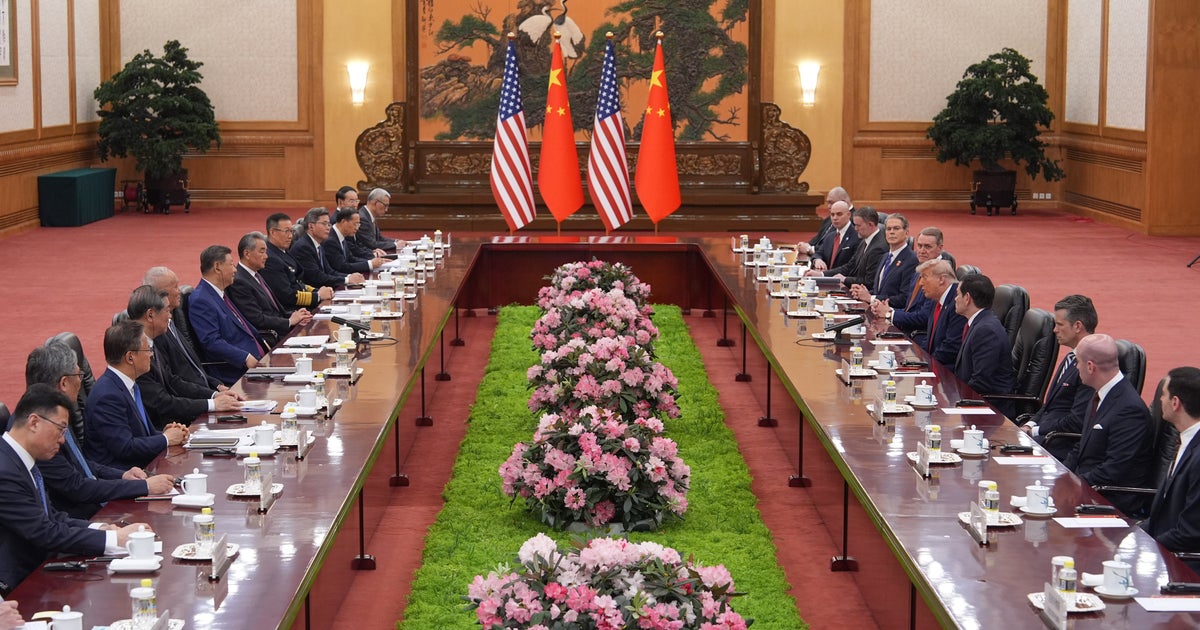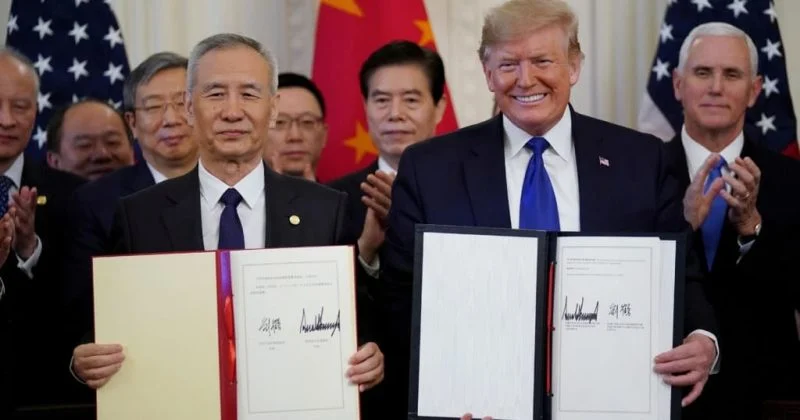
When former President Donald Trump visited Beijing in November 2017, the headlines practically wrote themselves: $250 billion in trade and investment deals, including a massive order for roughly 200 Boeing aircraft. China’s Ministry of Commerce, however, has a different word for it: preliminary.
Chinese officials have categorized the agreements announced during that visit not as finalized contracts but as non-binding memoranda of understanding, or MoUs.
The gap between headlines and hard commitments
The $250 billion-plus figure spanned multiple sectors, with the Boeing order serving as the crown jewel of the announcement. Analysts had flagged concerns early on: many of the agreements bundled into that total were not fresh commitments but recycled versions of existing plans, repackaged to inflate the optics of the visit. The absence of enforceable contracts and concrete timelines made the distinction between “deal” and “talking point” uncomfortably thin.
By labeling these arrangements as preliminary, China’s Ministry of Commerce was managing expectations, both domestically and internationally, about the scope of concessions Beijing had actually made to Washington on trade.