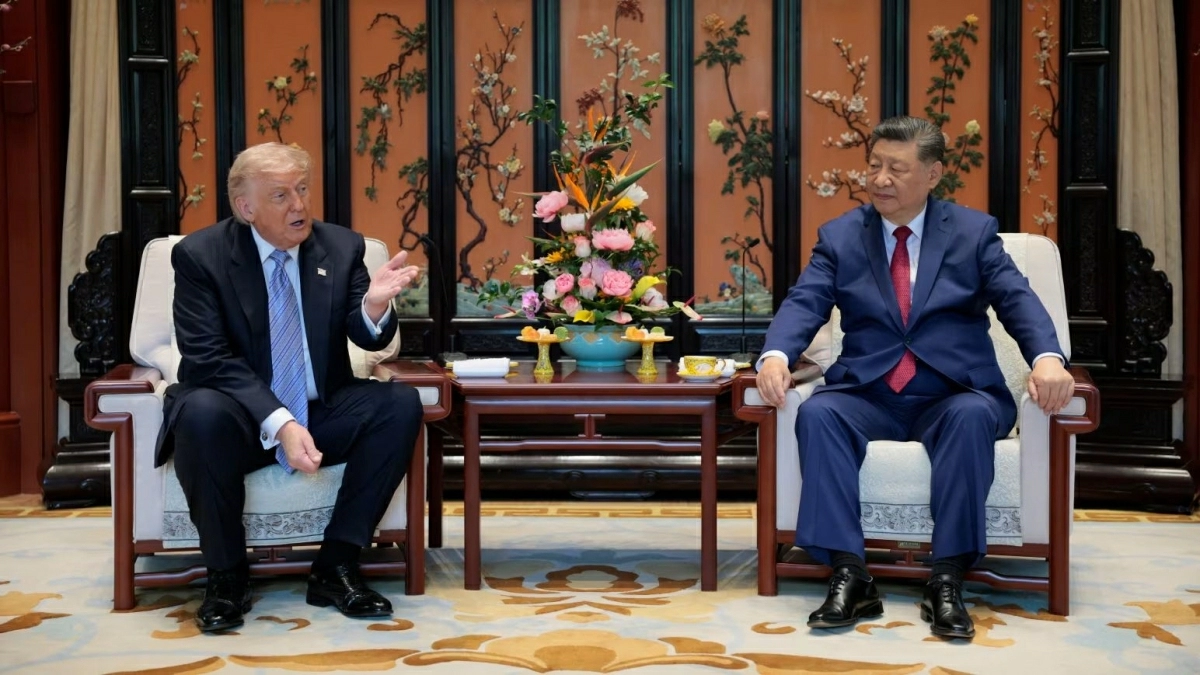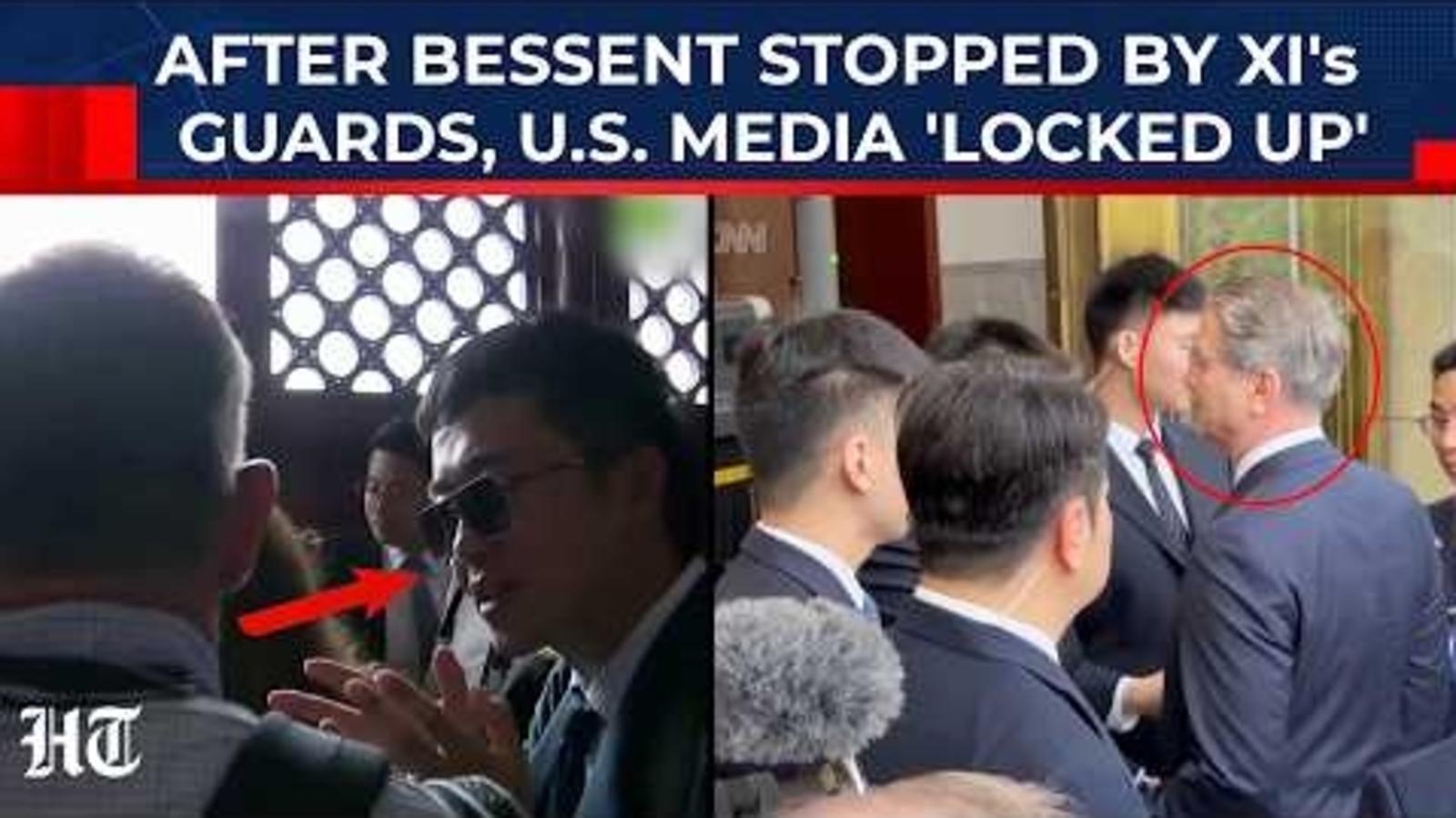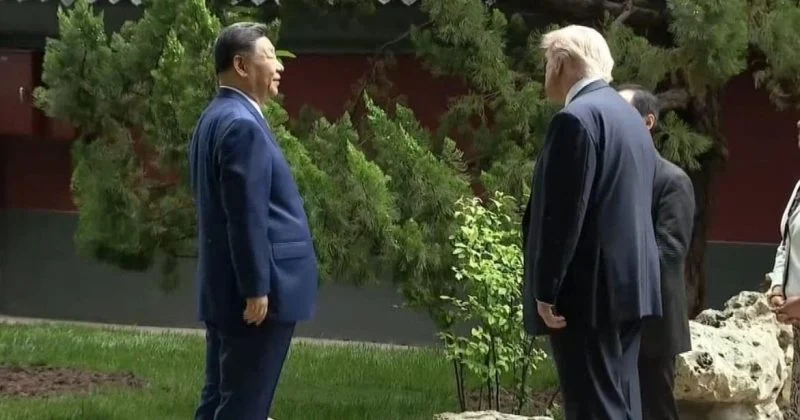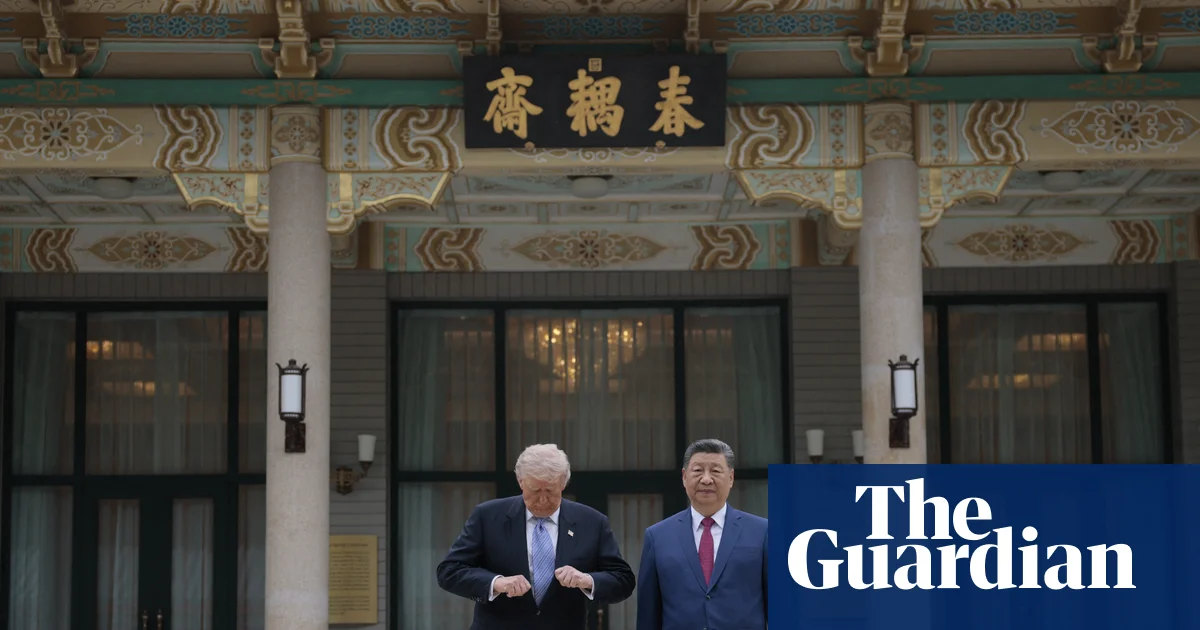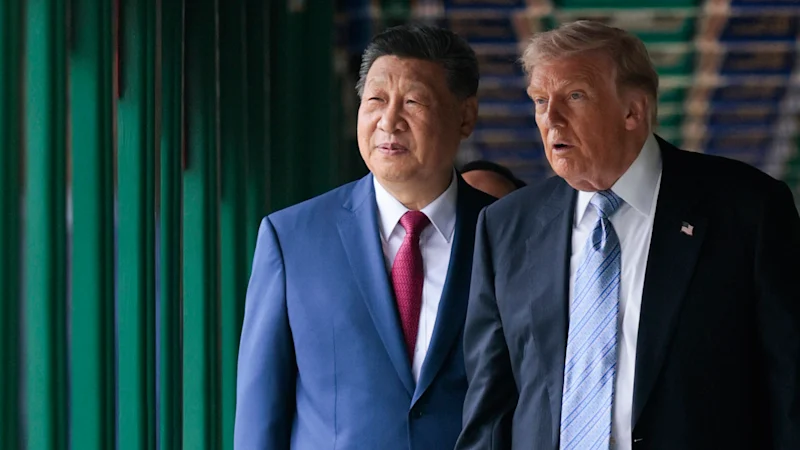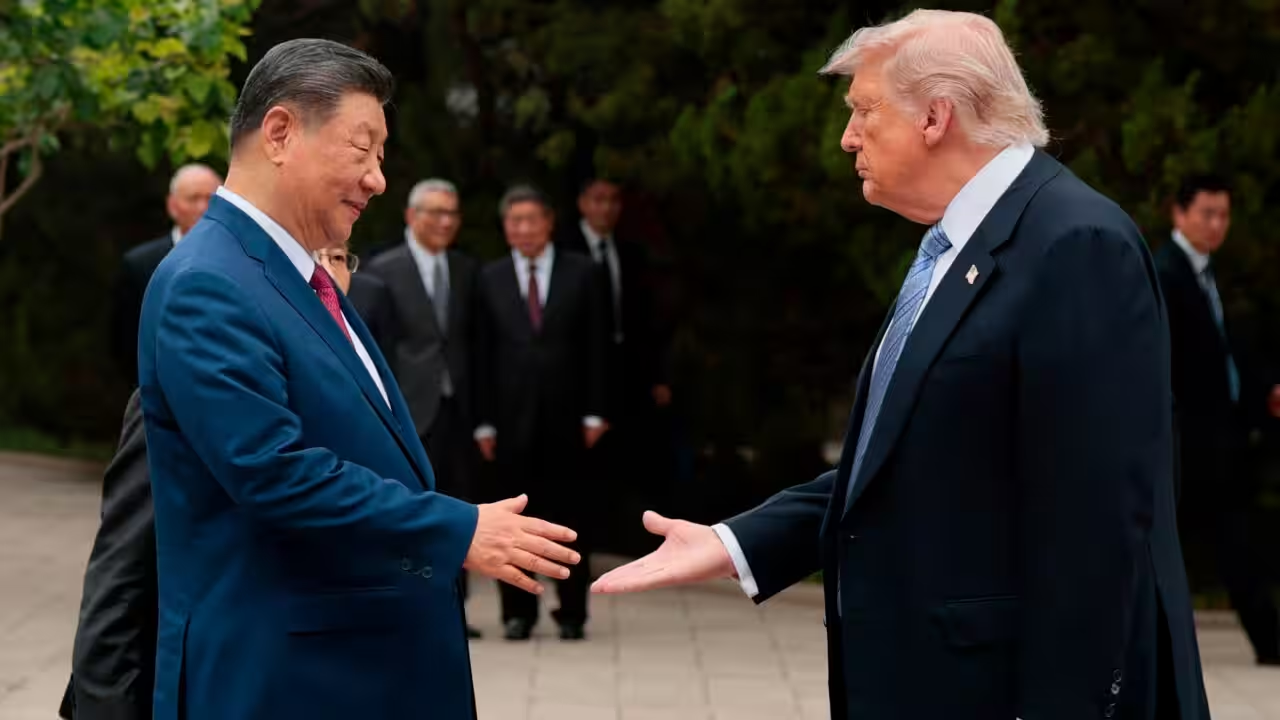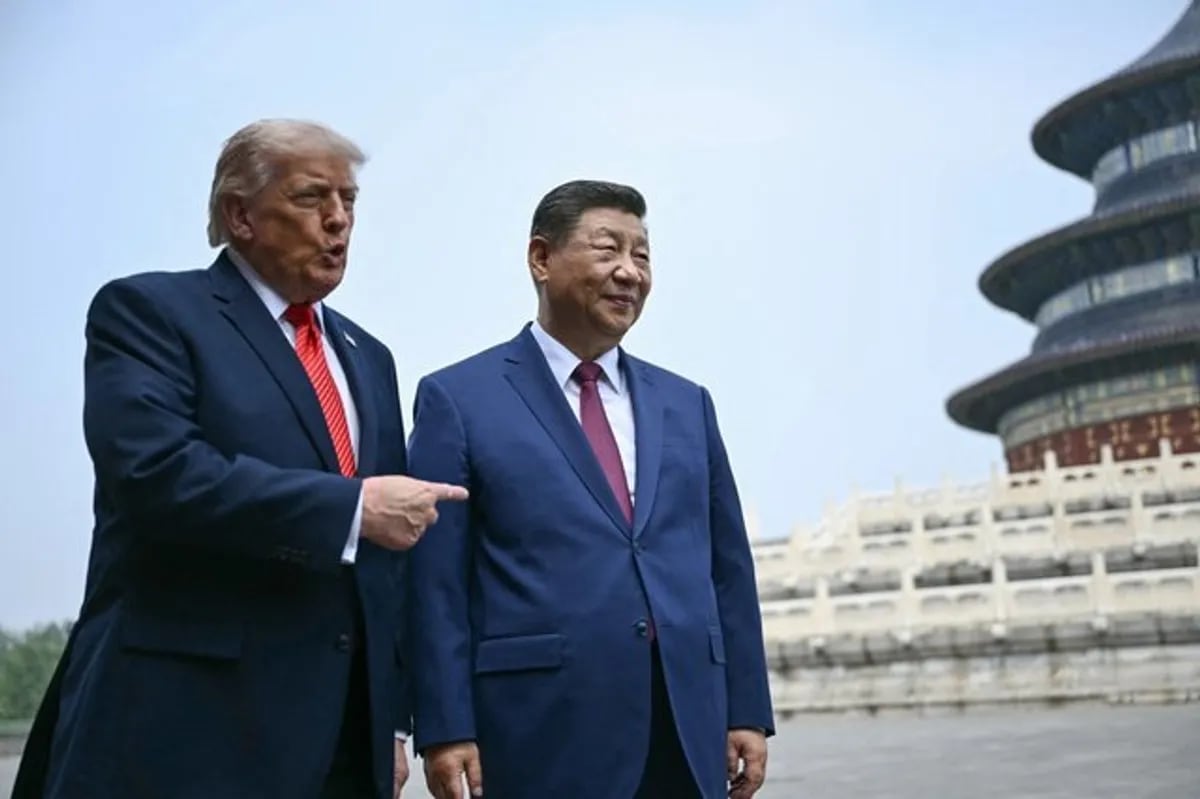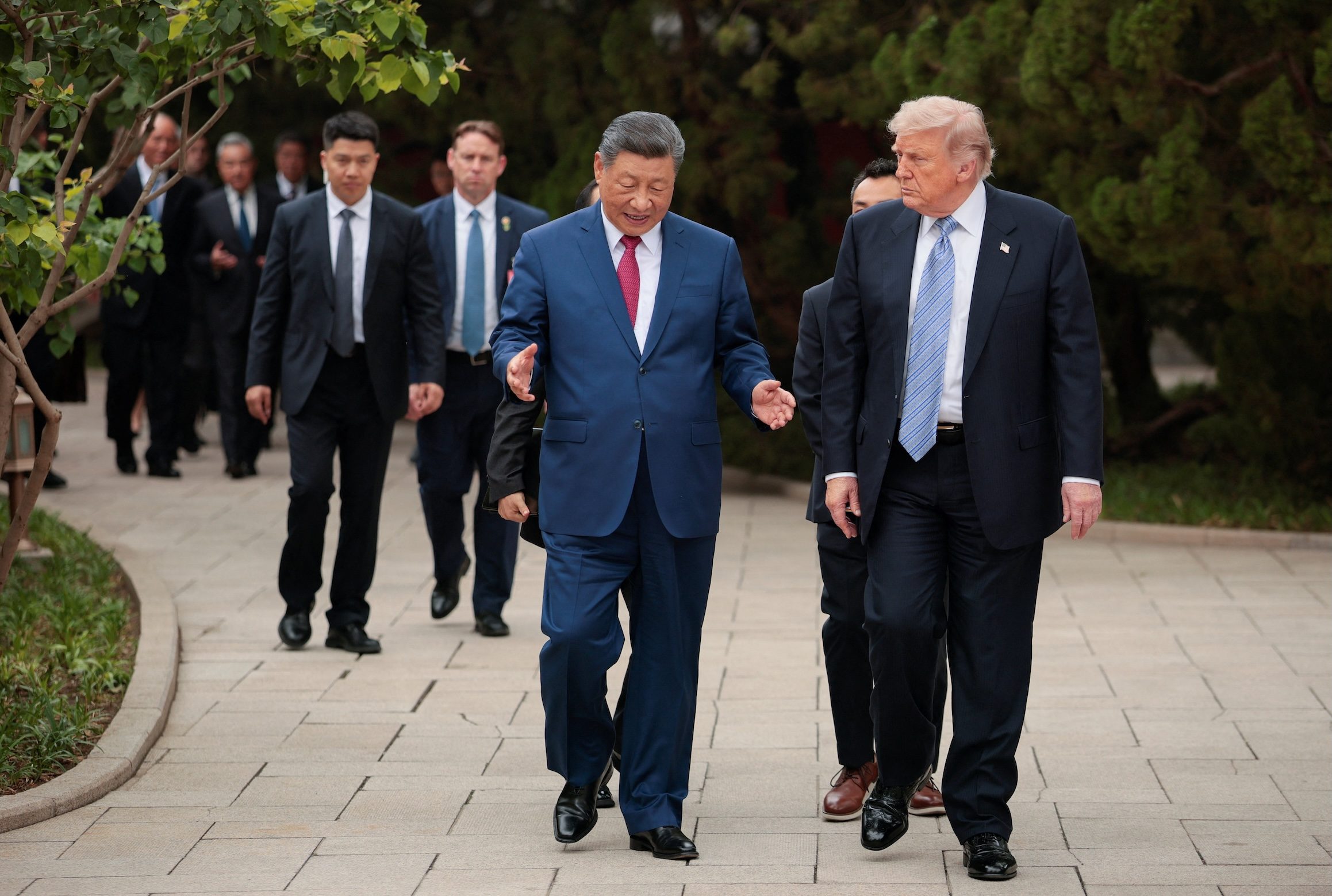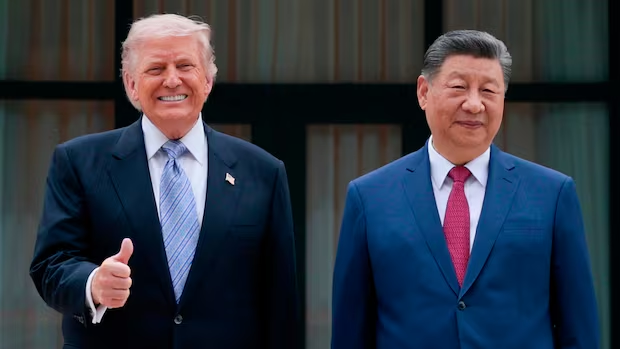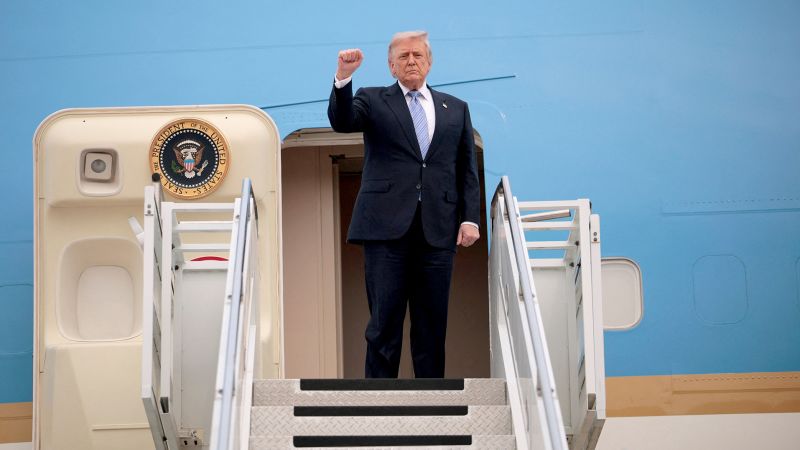
Before leaving a two-day summit in Beijing, President Donald Trump said he had made many trade deals with China, accompanied by a cohort of “brilliant” tech billionaires.
But the details of those deals – at least on Friday afternoon in Beijing when Air Force One departed – were vague, signaling a potential shift in leverage between the world’s two largest economies since Trump’s last visit nearly nine years ago.
Investors, decrying the lack of specifics, sold off stocks. Dow futures were down more than 300 points, or 0.6%. The broader S&P 500 futures fell 1% and Nasdaq futures were 1.4% lower. With no firm resolution to reopen the Strait of Hormuz, Brent oil futures rose 3%, above $108 a barrel. Soybean futures sold off sharply after the United States spoke of a nebulous commitment from China to buy agricultural products. And bond yields rose as traders grew cautious about rising inflation.
The highly-anticipated trip was the first time a US leader met with Xi Jinping in the Chinese capital since November 2017. Trump had postponed the event, originally scheduled for April, as he navigated a historic energy crisis sparked by his decision to launch a war with Iran.
Still, Trump arrived in Beijing on Wednesday evening with a notably weaker hand in many ways than China. The US President faces growing backlash at home as prices for gas and many consumer goods rise, and consumer sentiment drops to record lows. He also faces midterm elections later this year, something his Chinese counterpart does not need to fret about.