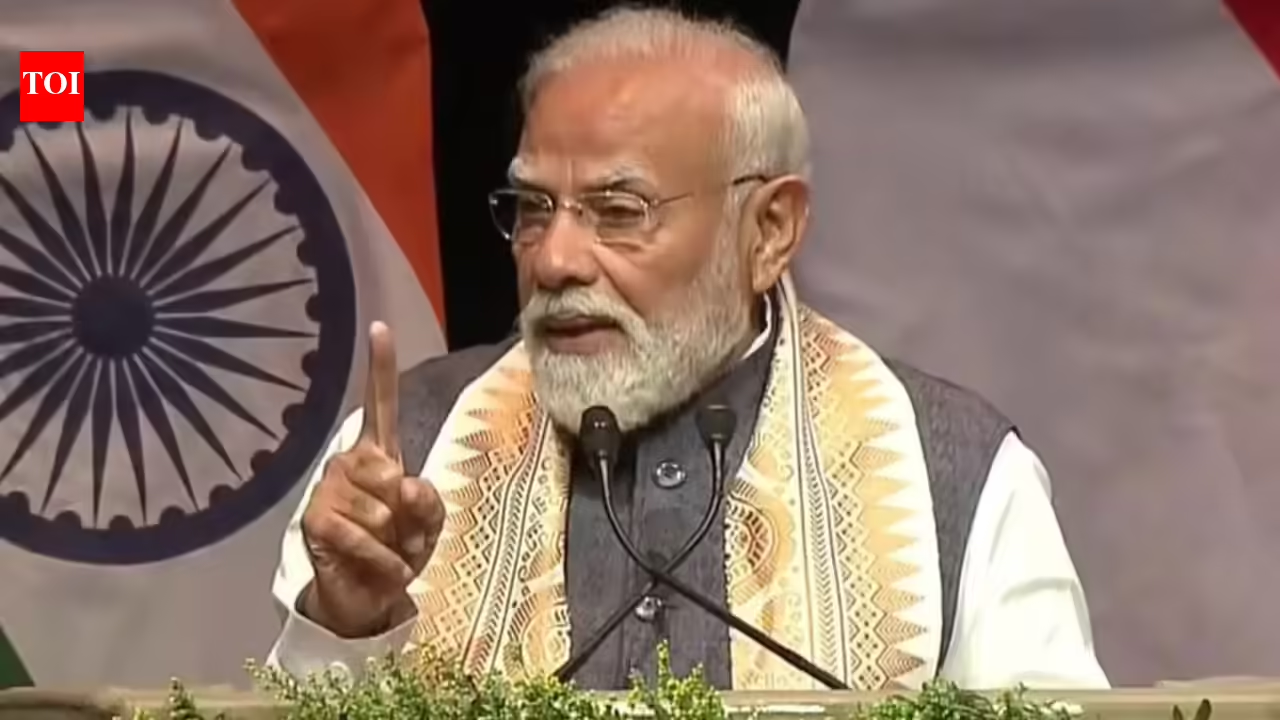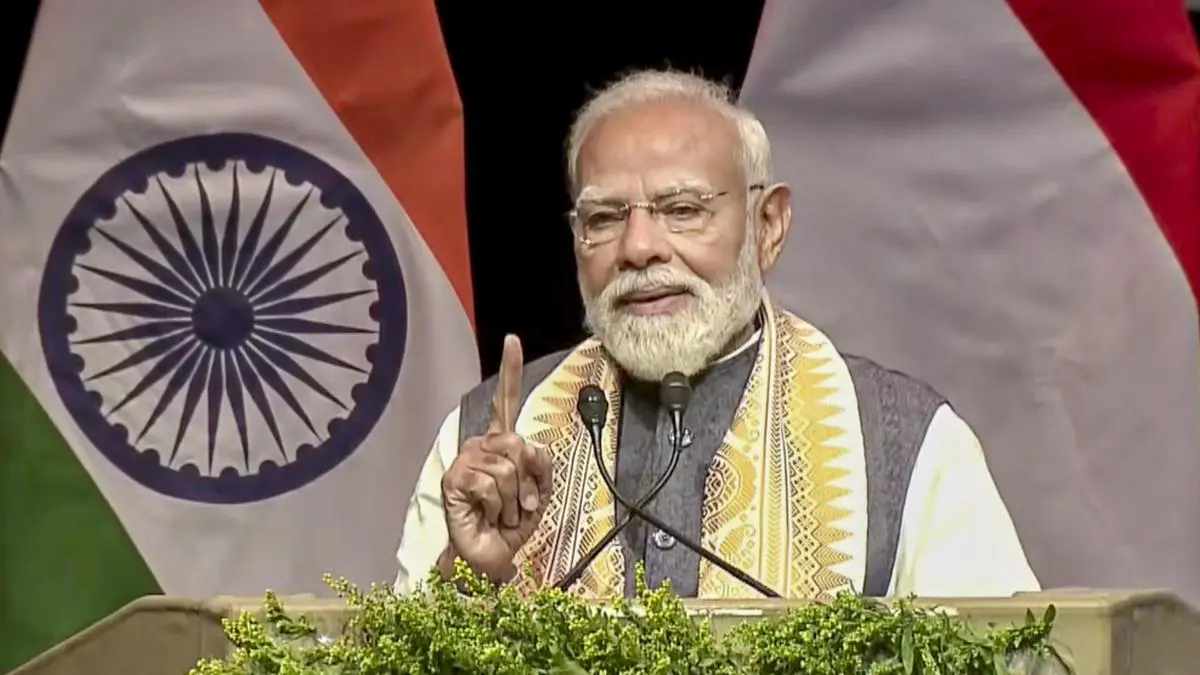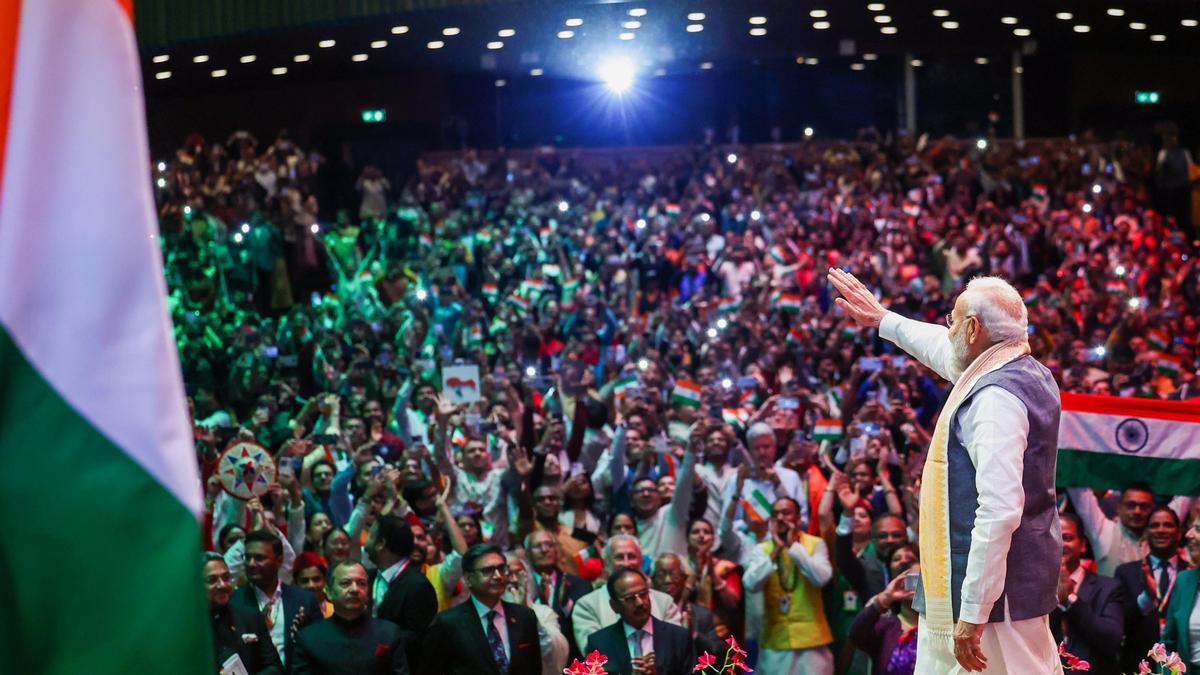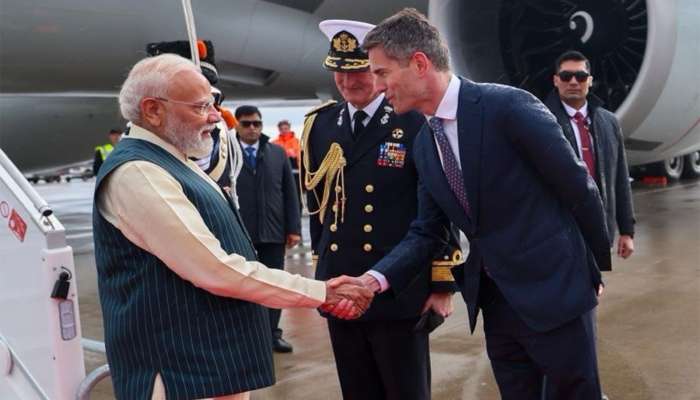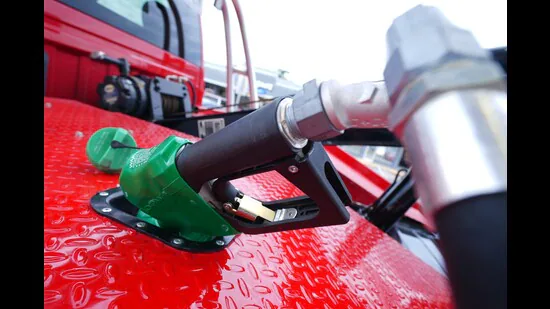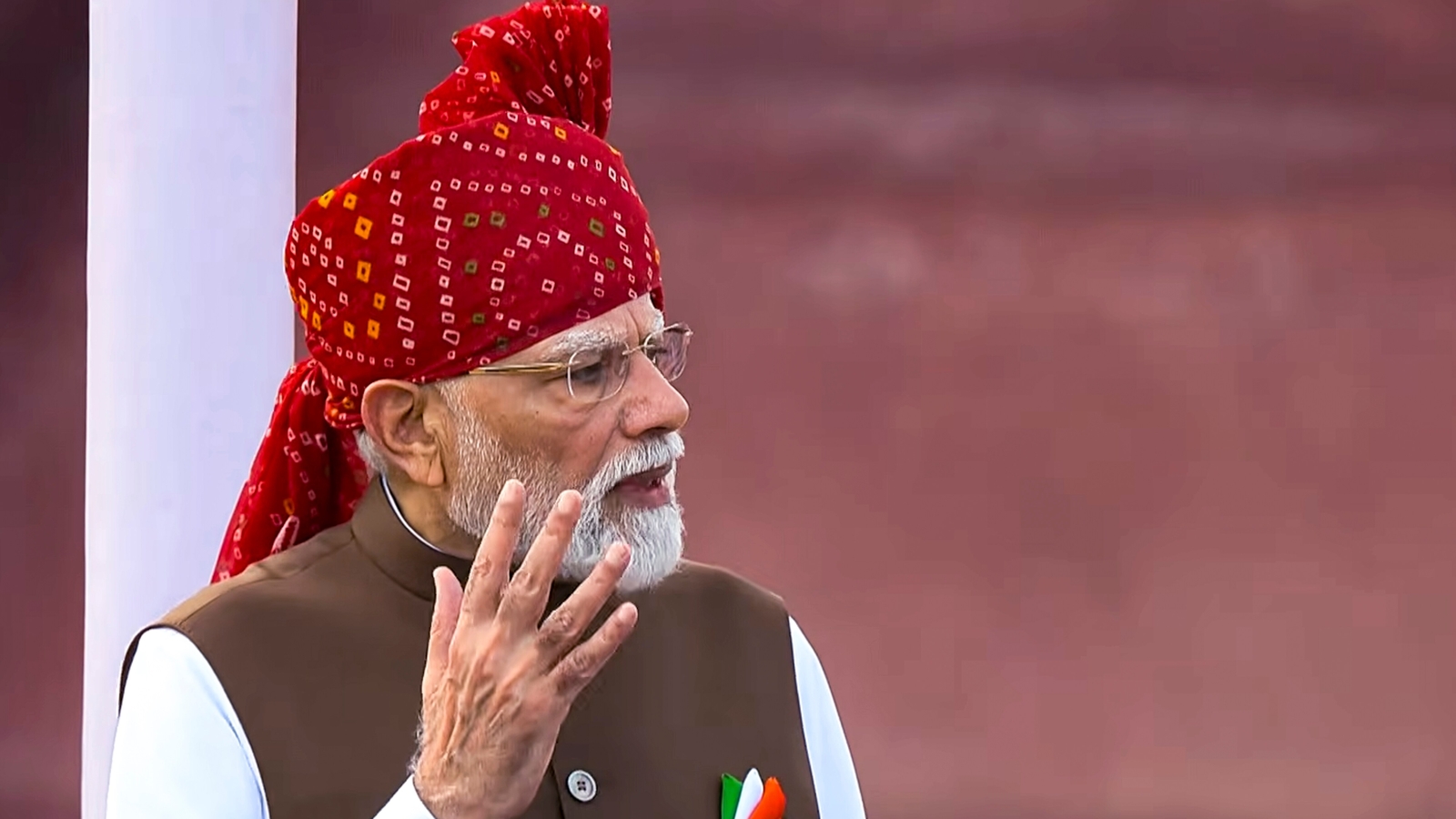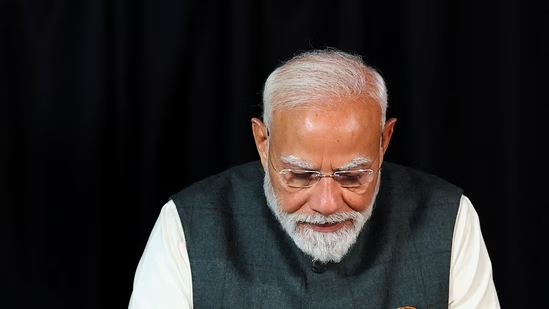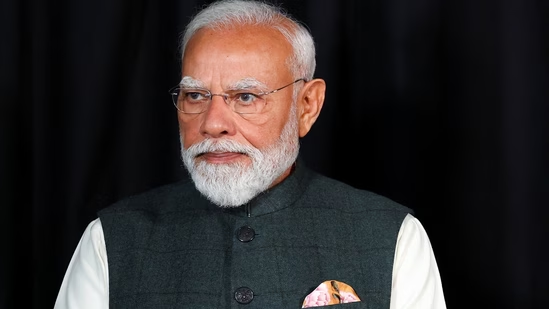
Indian Prime Minister Narendra Modi delivered one of his starkest warnings yet about the state of the global economy on Saturday, telling the Indian diaspora in the Netherlands that decades of hard-won progress against poverty stood at serious risk if the world's cascading crises were not urgently reversed.Prime Minister Narendra Modi during his two-day visit to the Netherlands, at The Hague on May 16, 2026. (Reuters Photo)"The world is dealing with new challenges," he said, speaking at a community event in The Hague during the second leg of his five-nation European tour.In light of ongoing conflicts, particularly in the oil-rich West Asian region after the US and Israel's attacks on Iran, Modi described the present decade as a period of compounding catastrophe.“First came the corona(virus) pandemic; then wars began to break out, and now there is an energy crisis. This decade is turning into a decade of disasters for the world,” he explained, speaking in Hindi.He issued a pointed warning about the consequences of inaction. If these situations are not rapidly changed, he said, “achievements of the past many decades would be washed away, and a huge section of the world's population would be pushed back into poverty".The remarks came at a moment of acute economic anxiety across India, West Asia, and beyond.Austerity callsDays before his European tour, speaking in Hyderabad, PM Modi called on Indians to adopt voluntary austerity measures, urging them to work from home wherever possible, limit overseas travel, and reduce purchases of gold.He described fuel conservation and saving foreign exchange as an act of “patriotism”, encouraging greater use of public transport, carpooling, and lower fertiliser consumption.Recalling the Covid pandemic times, he underscored that remote work had become normal during that period, and the government now views such behavioural changes as short-term demand management tools.“We must make efforts to use only as much as is needed to save foreign currency and reduce the adverse effects of war crises,” he said.Fuel price hikeOn Friday, May 15, after four years of no hike in retail fuel prices, state-owned oil companies Indian Oil Corporation, Bharat Petroleum, and Hindustan Petroleum, which together control over 90 per cent of the country's fuel stations, raised petrol and diesel prices by ₹3 a litre. In Delhi, petrol rose to ₹97.77 per litre and diesel to ₹90.67. It was higher in other parts of the country as per local levies.Industry leaders and analysts warned that the ₹3 hike would be felt not just at the pump, but across household expenses, freight rates, and factory prices through July and August 2026, given the inflationary effects of fuel price shocks through input costs in agriculture and manufacturing.Govt responseThe ruling BJP has defended the increase, claiming India had managed to shield its citizens from the global oil shock for over two months, implementing only a "limited and calibrated" increase even as several countries witnessed steep price rises.Ministers and BJP spokespeople said India's public sector oil marketing companies had absorbed a substantial portion of the rise in crude oil costs for 76 days after the West Asia crisis intensified, without passing the full burden to consumers.Opposition leaders noted that Modi's austerity appeal had come only after a key round of state elections had concluded, observing that fuel prices were kept unchanged during the campaign and before, when crude prices were lower.Across Asia, energy-starved nations have resorted to increasingly extreme measures to keep their economies afloat. The Philippines became the first country to declare a state of national energy emergency. South Koreans were advised to take shorter showers and charge phones during the day to conserve electricity. Japan launched its biggest-ever release of emergency oil reserves.Strait and war at its heartThe crisis stems from Iran's closure of the Strait of Hormuz, through which around 20% of the world's oil trade passes. The International Energy Agency has characterised this as the largest supply disruption in the history of the global oil market.India, which imports 90% of its oil and relies on the strait for roughly half its usual crude supplies, is particularly exposed.
PM Modi warns of ‘return of massive poverty’, flags ‘disaster decade’ of Covid, wars, fuel crisis
“First came corona; then wars started; and now there is an energy crisis. This decade is turning into a decade of disasters,” Modi said in Netherlands. | India News
672 words~3 min read