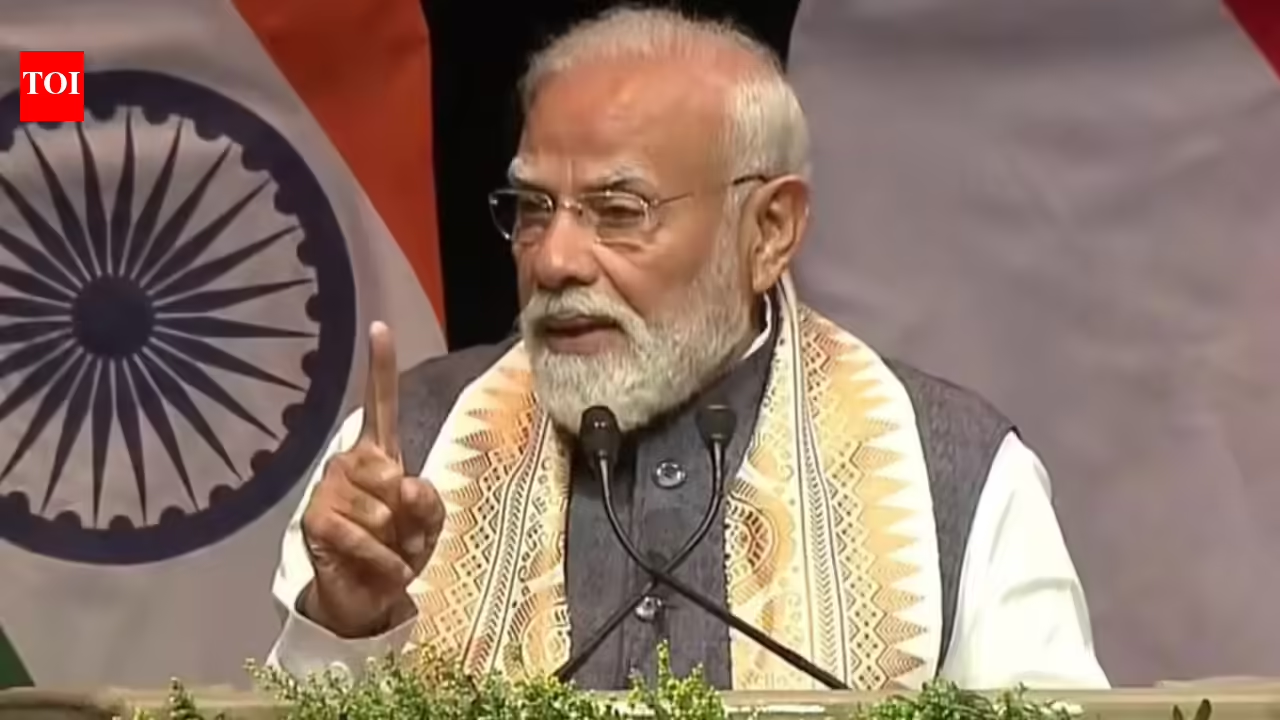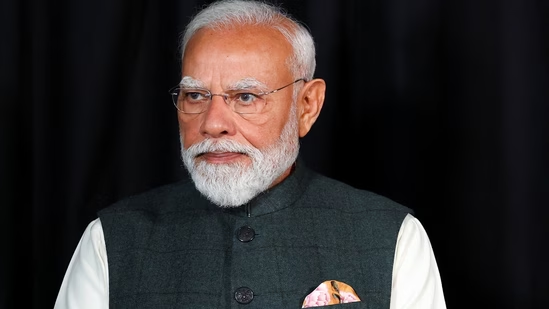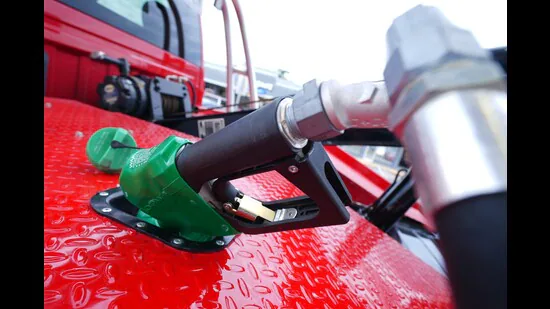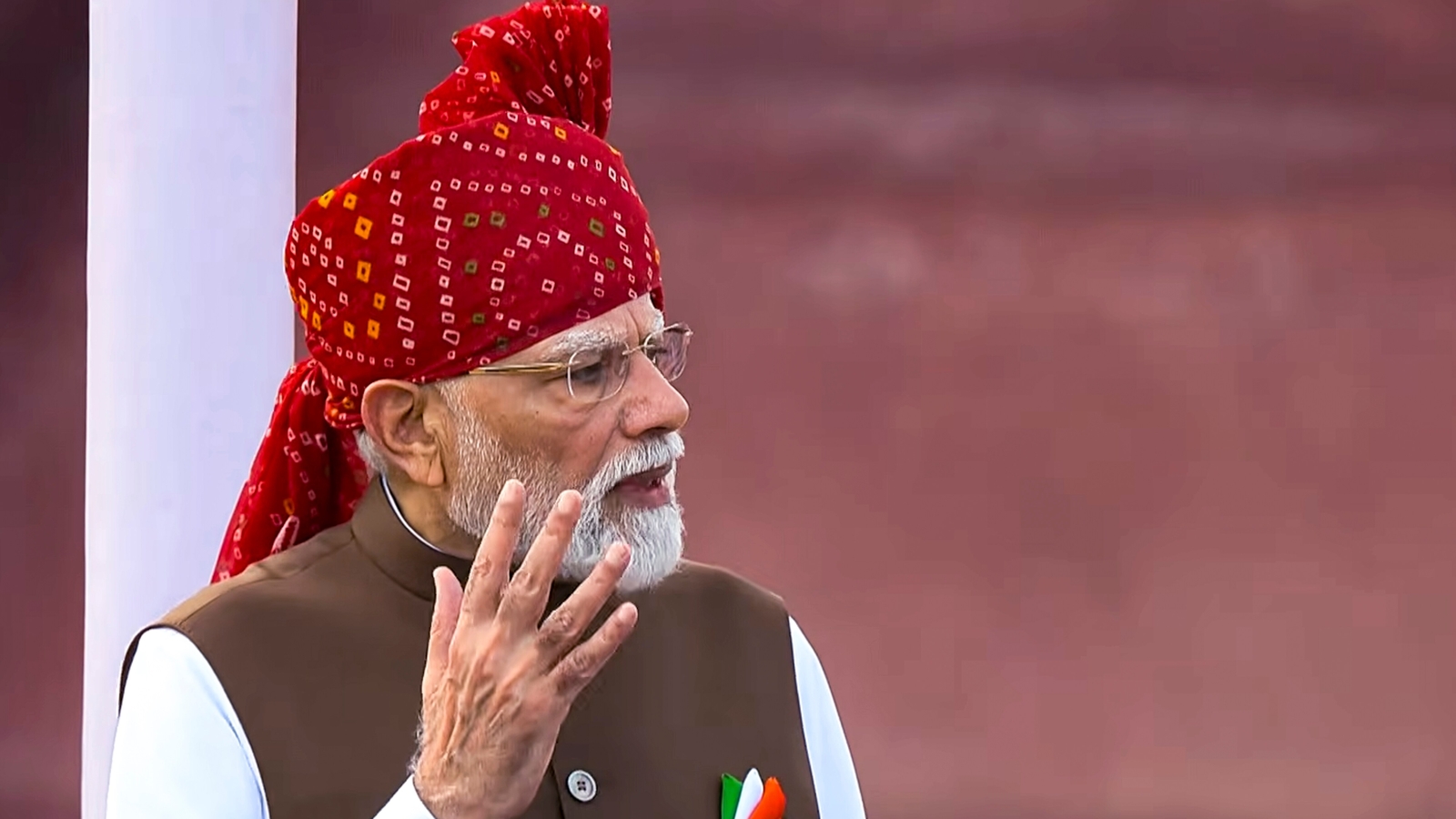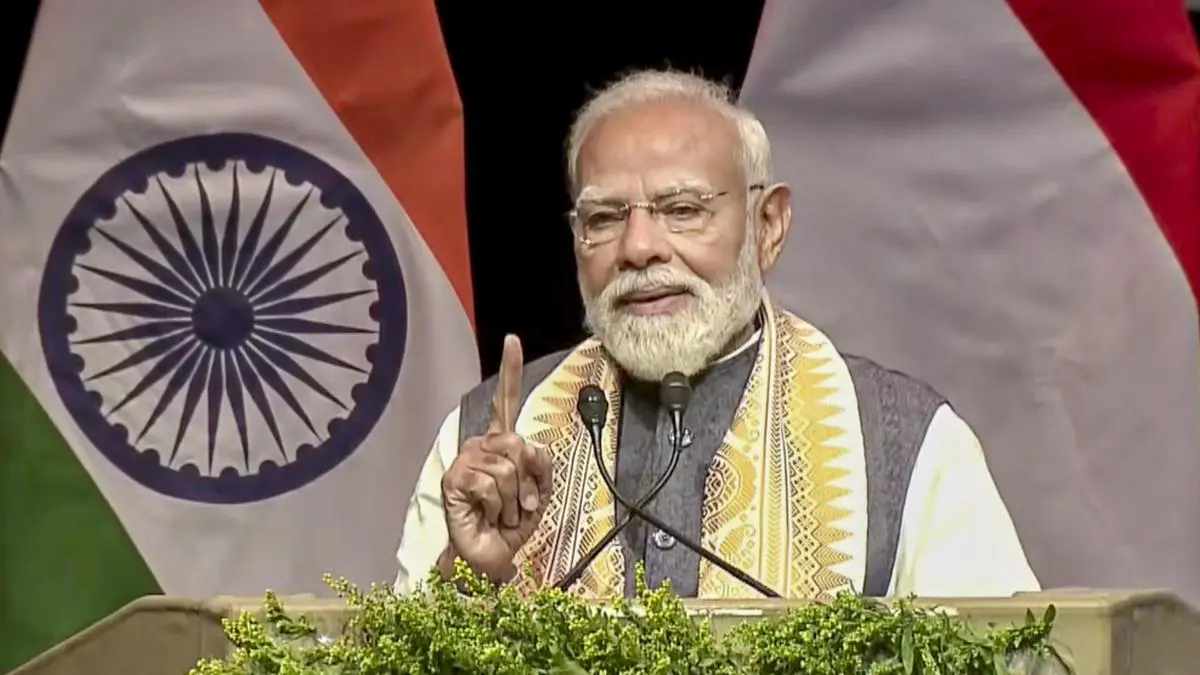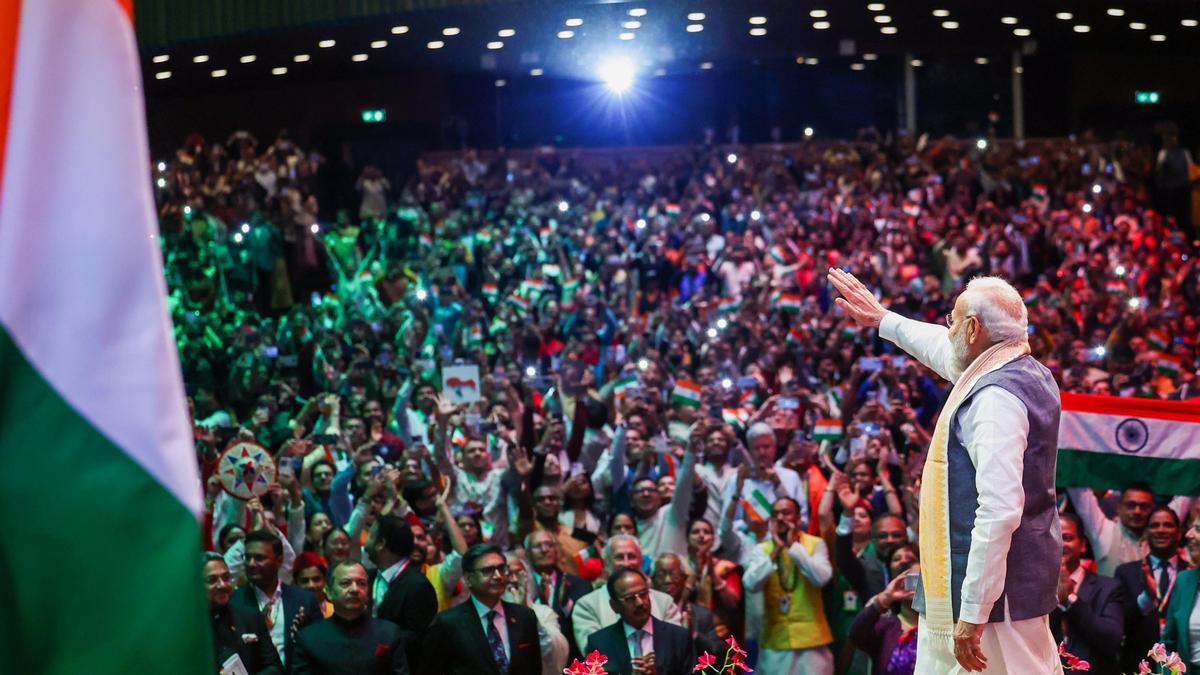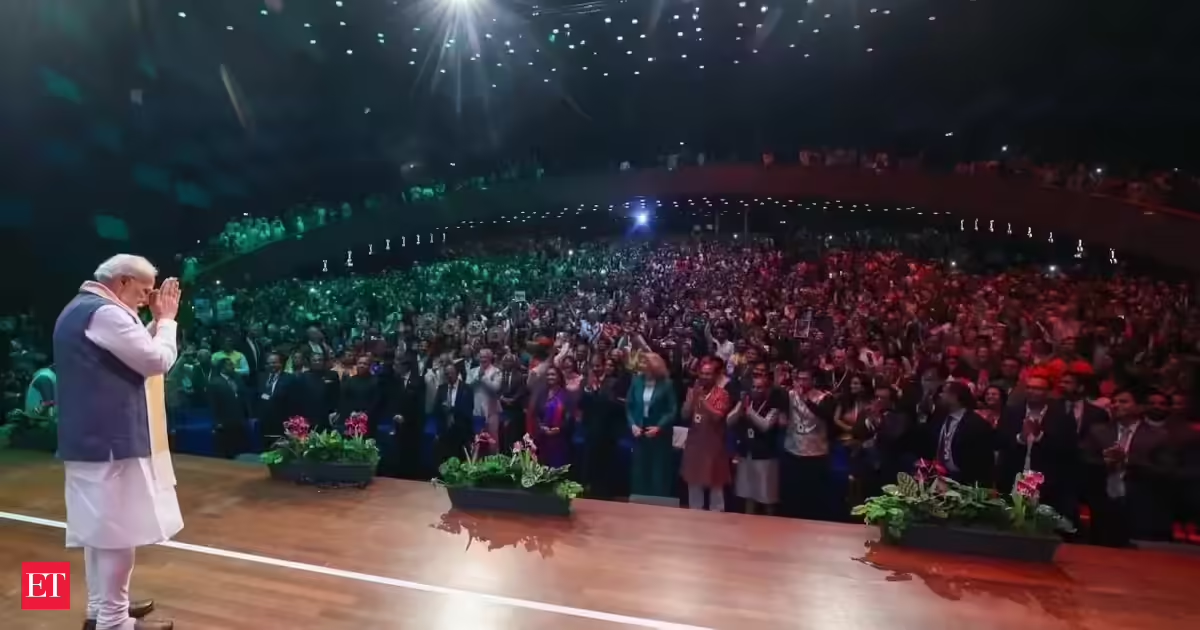
Prime Minister Narendra Modi on Saturday highlighted India’s role in the world’s success, but also warned of the challenges humanity faces “one after the other”.Indian Prime Minister Narendra Modi looks at the historical artefacts that University Leiden returned to India, during his two-day visit to the Netherlands, in The Hague, Netherlands, May 16, 2026. (REUTERS)Addressing a community event in The Hague during his visit to the Netherlands in the second leg of his five-nation tour, PM Modi said that whenever India succeeds, the world benefits.“Whenever India succeeds, the entire humanity benefits from it. But today, humanity is also facing many major challenges. We are witnessing how the world is struggling with new challenges one after another,” PM Modi said.In light of ongoing conflicts, particularly in the oil-rich West Asian region after the US and Israel's attacks on Iran, Modi described the present decade as a period of compounding catastrophe.“First came the coronavirus pandemic, then wars began to erupt, and now the world is facing an energy crisis. This decade is increasingly turning into a decade of disasters for the world. We can all see that if these conditions are not changed swiftly, the achievements of many past decades could be undone. A very large section of the world’s population could once again be pushed into the quagmire of poverty,” he said.PM Modi hailed the India-Netherlands’ efforts of working together and build future-ready supply chain“In such global circumstances, the world today is speaking about resilient supply chains. And in this context, India and the Netherlands are working together to build a trusted, transparent, and future-ready supply chain,” he said.Austerity calls and fuel price hike due to ongoing challengesDays before his European tour, speaking in Hyderabad, PM Modi called on Indians to adopt voluntary austerity measures, urging them to work from home wherever possible, limit overseas travel, and reduce purchases of gold.He described fuel conservation and saving foreign exchange as an act of “patriotism”, encouraging greater use of public transport, carpooling, and lower fertiliser consumption.Recalling the Covid pandemic times, he underscored that remote work had become normal during that period, and the government now views such behavioural changes as short-term demand management tools.“We must make efforts to use only as much as is needed to save foreign currency and reduce the adverse effects of war crises,” he said.Then, on Friday, May 15, after four years of no hike in retail fuel prices, state-owned oil companies Indian Oil Corporation, Bharat Petroleum, and Hindustan Petroleum, which together control over 90 per cent of the country's fuel stations, raised petrol and diesel prices by ₹3 a litre. In Delhi, petrol rose to ₹97.77 per litre and diesel to ₹90.67. It was higher in other parts of the country as per local levies.Industry leaders and analysts warned that the ₹3 hike would be felt not just at the pump, but across household expenses, freight rates, and factory prices through July and August 2026, given the inflationary effects of fuel price shocks through input costs in agriculture and manufacturing.
‘Humanity facing many major challenges’: PM Modi calls for ‘swift change’ in conditions amid global challenges
In light of ongoing conflicts, particularly after the US and Israel's attacks on Iran, Modi described the present decade as a period of compounding catastrophe. | India News
502 words~2 min read