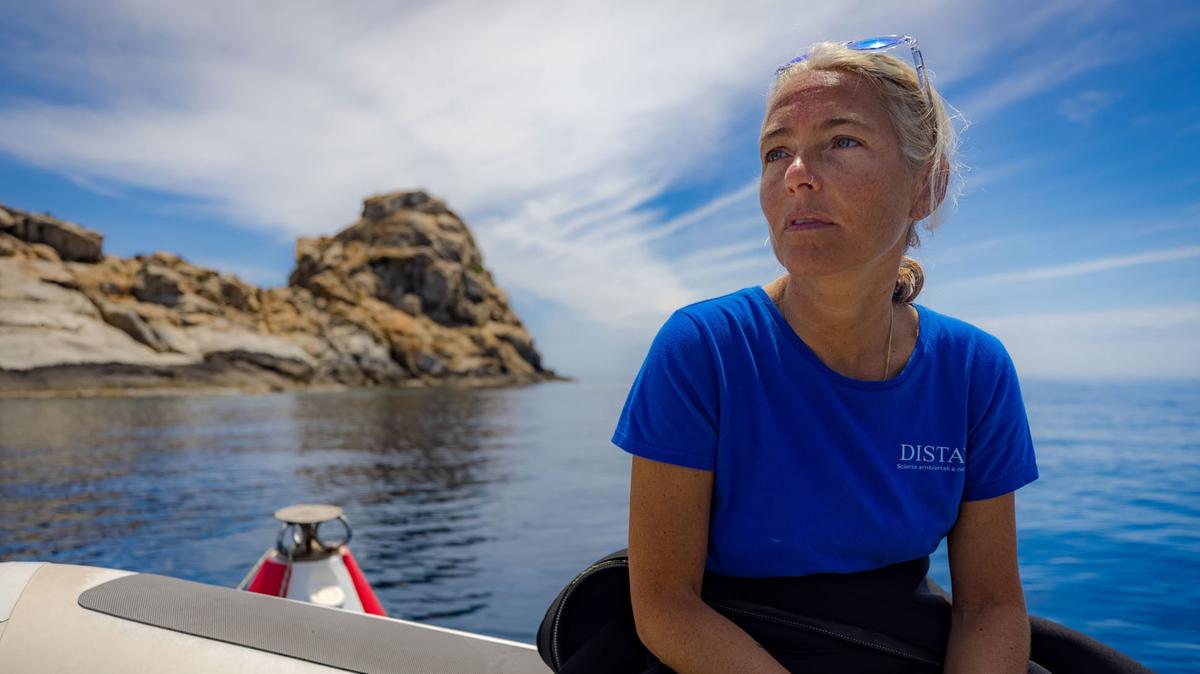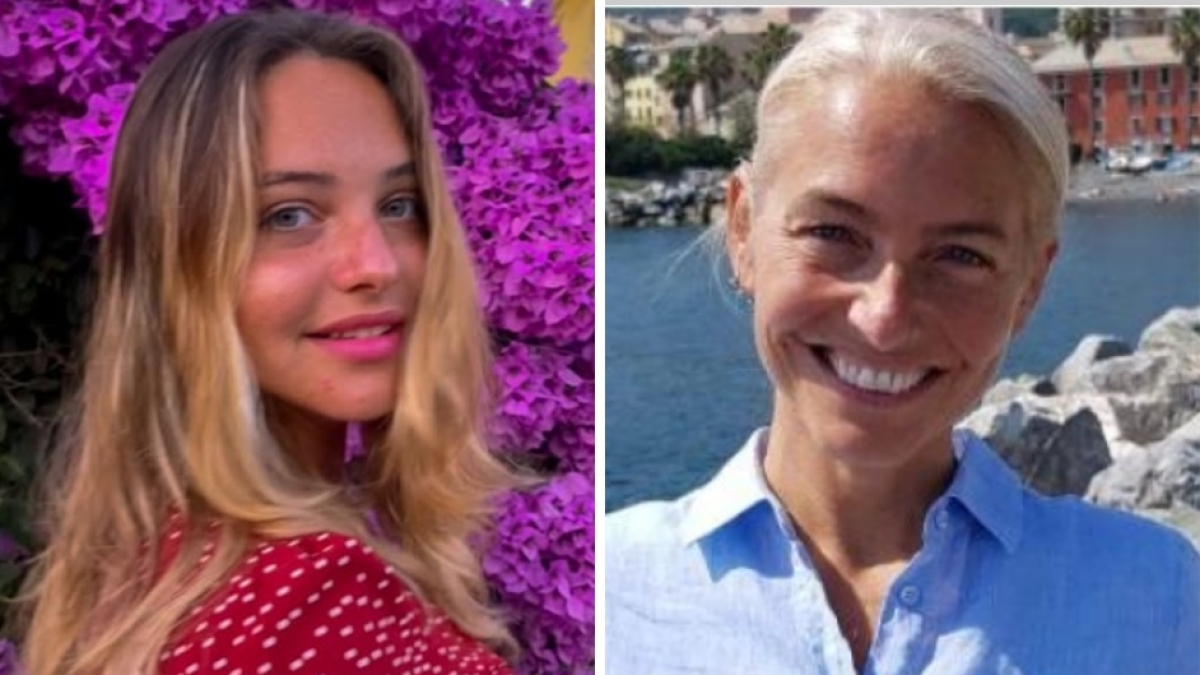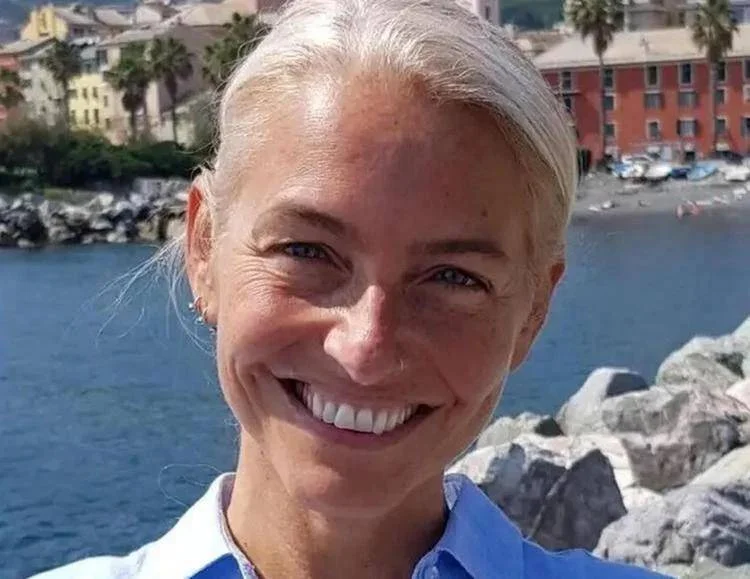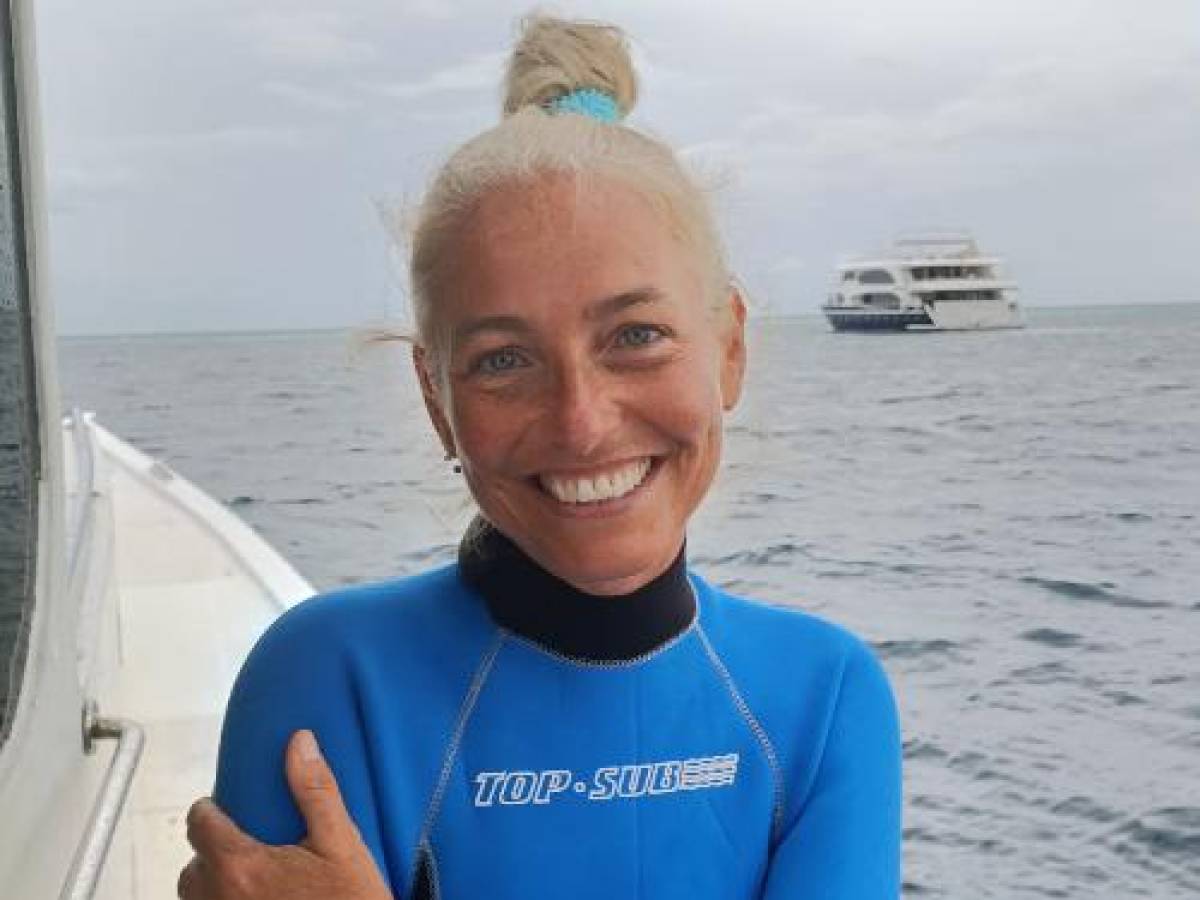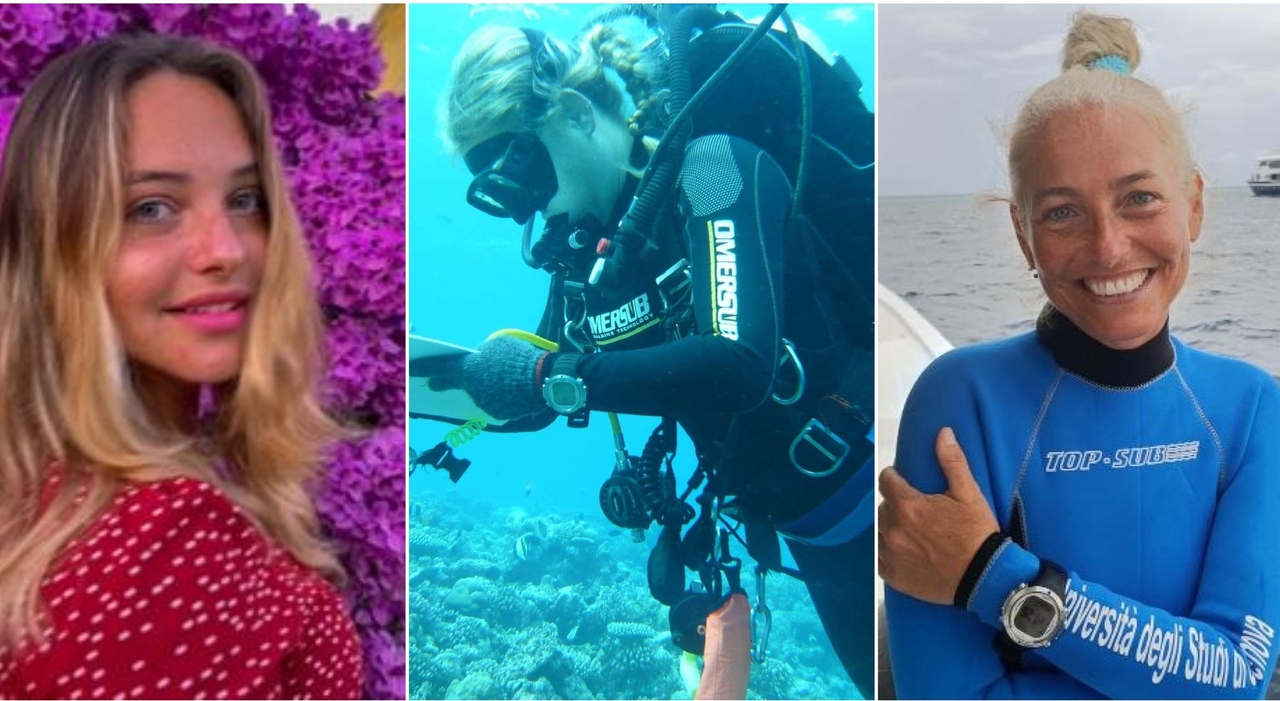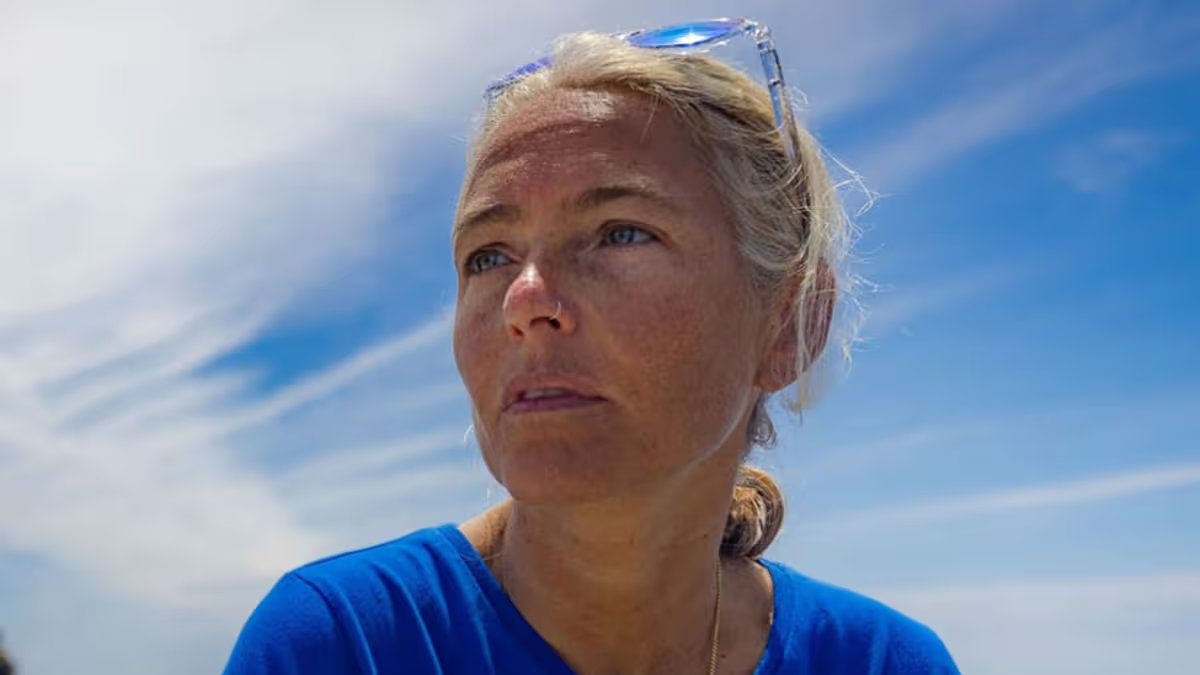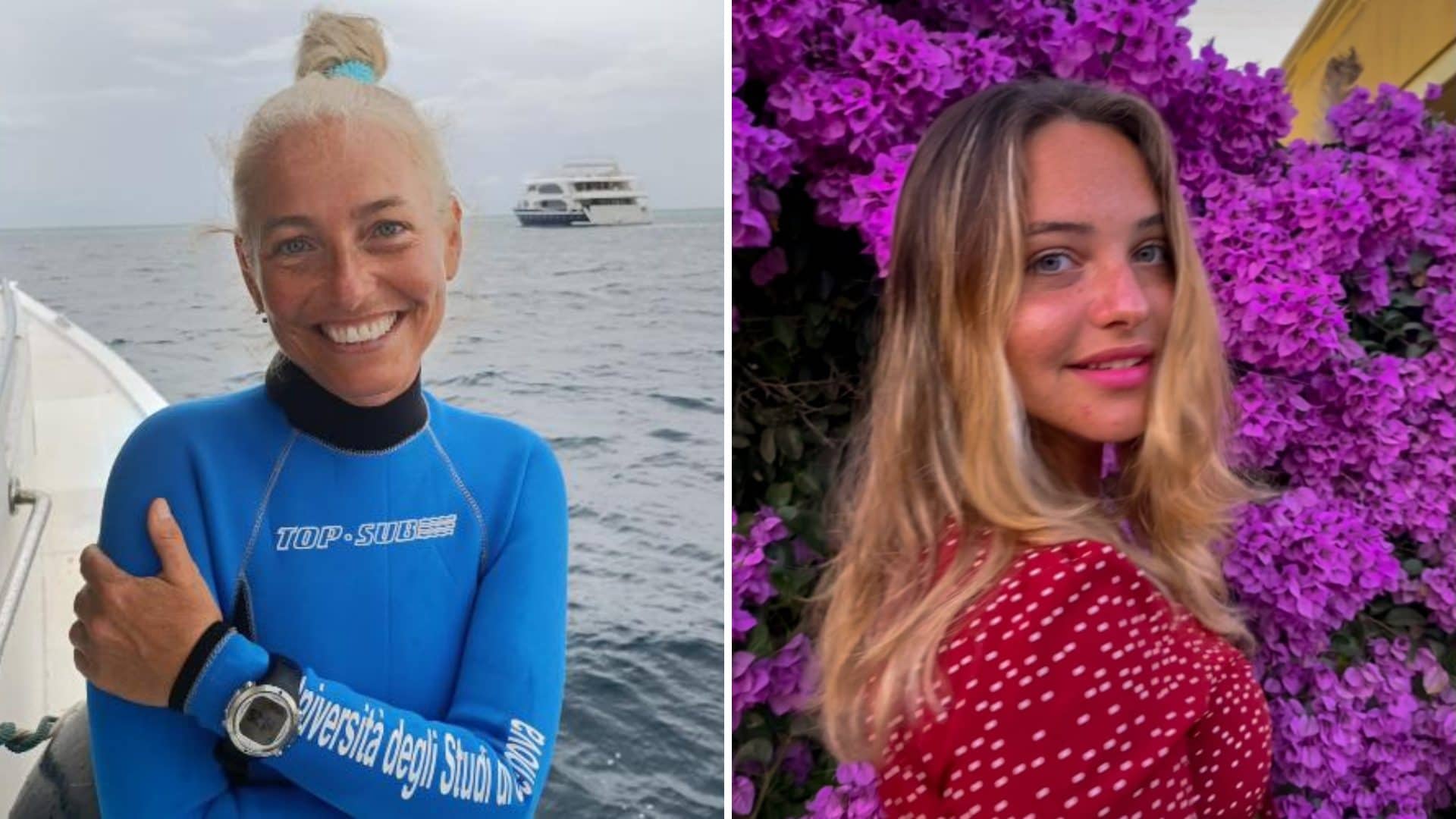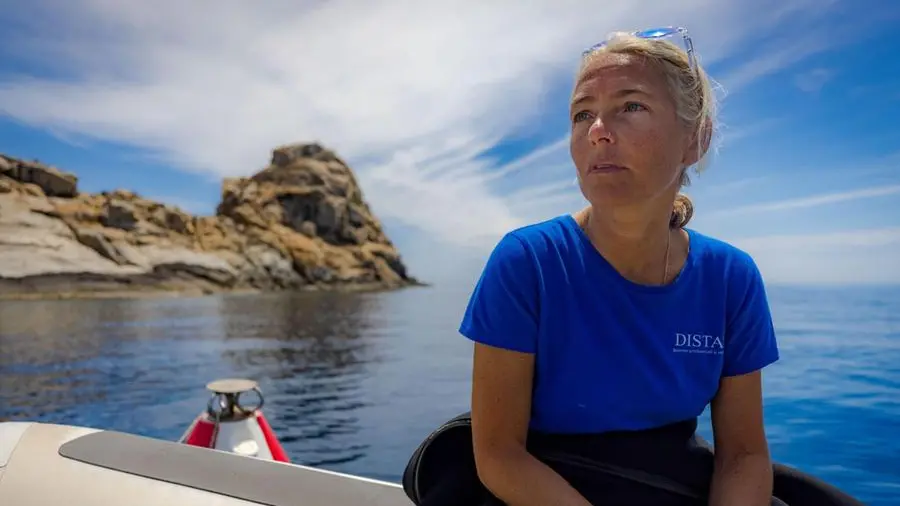
Monica Montefalcone, a University of Genoa marine ecologist and leading expert on Mediterranean Posidonia oceanica meadows, died in a diving accident in the Maldives at age 51.Her daughter, Giorgia Sommacal, 23, died with her, along with three other Italians, four of whom were connected to the University of Genoa.Montefalcone’s work linked field science, conservation practice and public understanding, especially through mapping, monitoring and restoring seagrass meadows and other coastal marine habitats.Colleagues and students remembered her as a demanding field scientist, generous teacher and clear communicator who helped younger researchers find their place in marine biology.
The sea was not scenery to her. It was a place to study: its plants, reefs, hidden habitats, and seasonal changes. A meadow of Posidonia oceanica was not just a patch of green beneath the water. It provided a nursery, offered shelter, stored carbon, and afforded coastal protection. To most swimmers it might have looked like seagrass. To Monica Montefalcone it was a living system, and one that recovered slowly once damaged.
That slowness mattered. Posidonia grows at a pace that does not fit human timetables. In the Mediterranean, more than half of its meadows have been lost over the past century; in Liguria, the losses were especially severe. Laws and European directives could help protect what remained, she argued, but protection alone was not enough. Where hundreds of hectares had disappeared, waiting for nature to repair itself would mean leaving the work to future generations. Active restoration, including the manual replanting of seagrass, was therefore a practical response to a practical problem.