The World Trade Organization (WTO) remains indispensable, underpinning predictability, transparency and the most-favoured nation (MFN) principle across much of global trade. Yet its framework, created nearly 80 years ago, lacks the speed and flexibility to respond to pandemics, geopolitical crises and the weaponisation of economic interdependence — systemic shocks which have become the norm, rather than the exception.
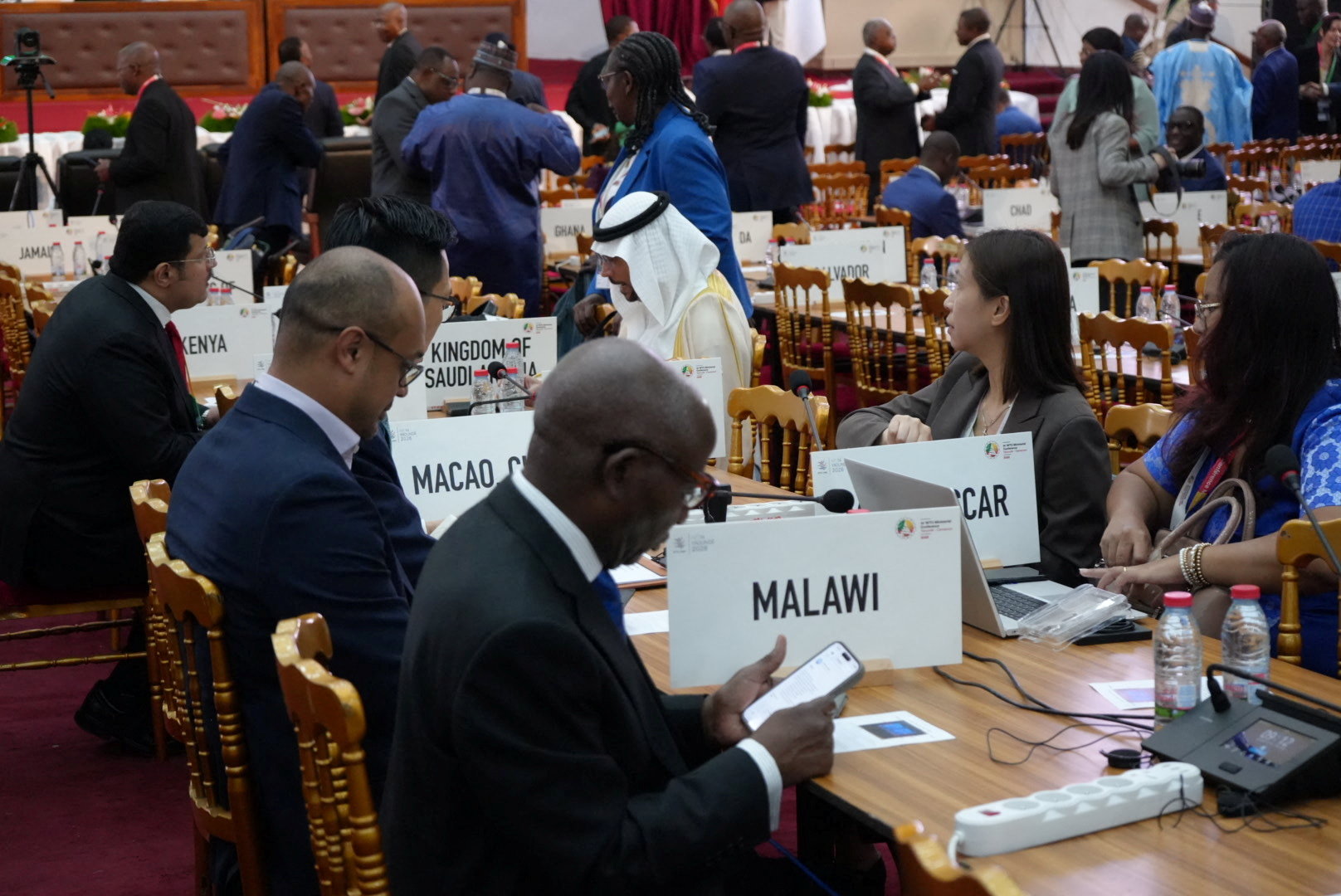
The 14th WTO Ministerial Conference, held in Yaounde in March 2026, again revealed the limits of consensus-based rule-making. The failure to renew the e-commerce moratorium and to incorporate the Investment Facilitation Agreement into the WTO rulebook made this clear. Yet the provisional e-commerce arrangement among 66 members and the second CPTPP–EU joint ministerial statement demonstrated a determination among the willing to advance plurilateral rule-making through complementary channels without rejecting the WTO wholesale.
The causes of WTO stagnation are many, but the difficulty of rule-making resembles a classic collective action problem. The benefits of MFN-based rule-making tend to be broadly and thinly distributed, creating incentives for members to free-ride, while the additional political and economic adjustment costs of liberalisation, regulatory change and reduced domestic policy flexibility are more likely to be concentrated in particular countries and sectors. With many members, each with diverse interests, the coordination costs of consensus-based decision-making are higher, making WTO-wide agreement harder to reach.