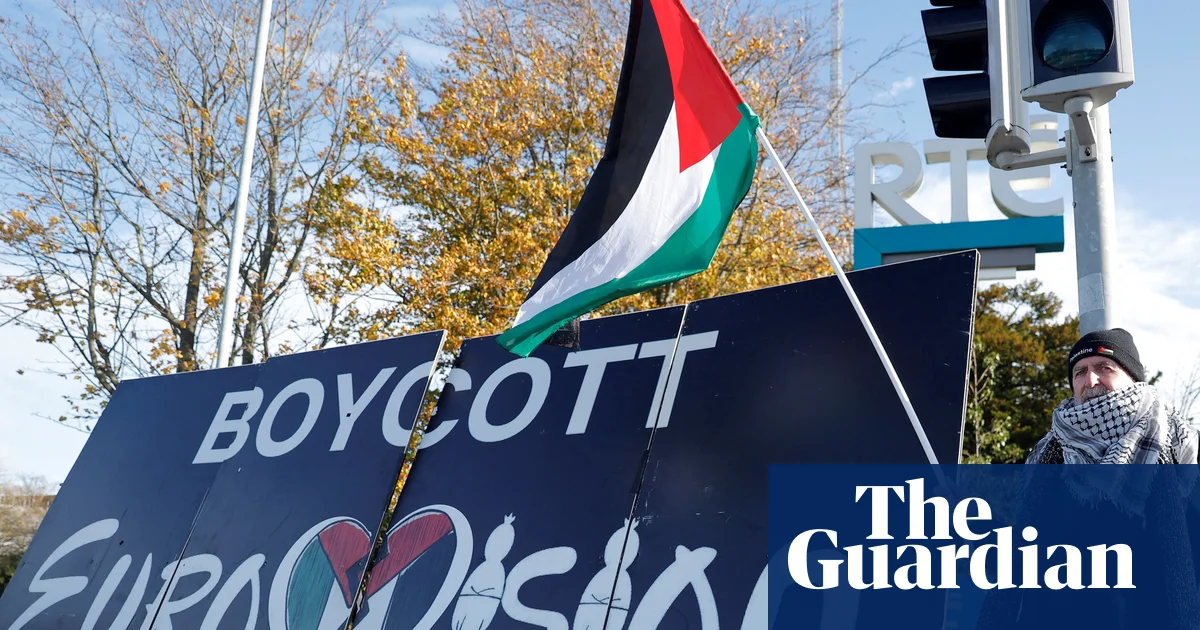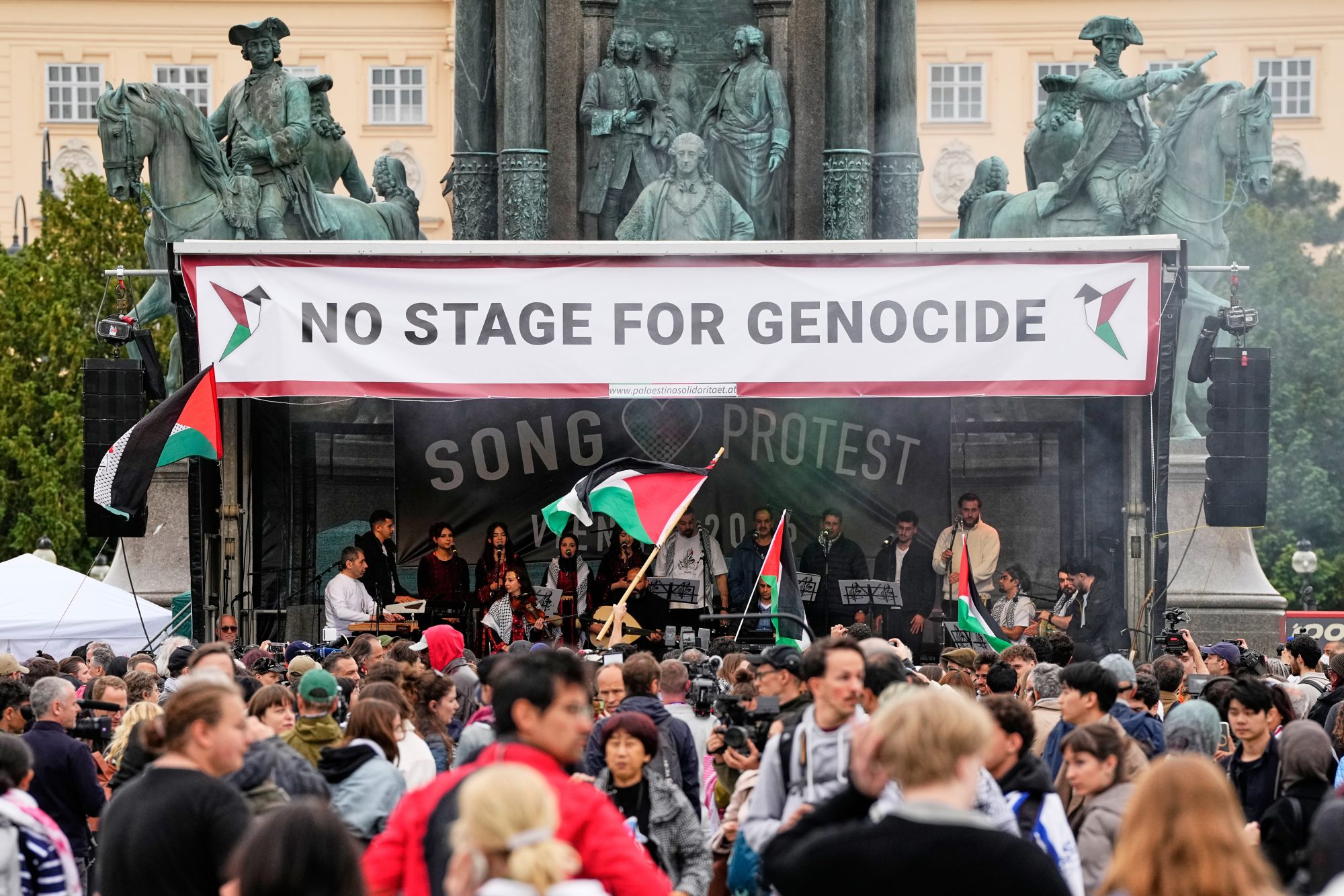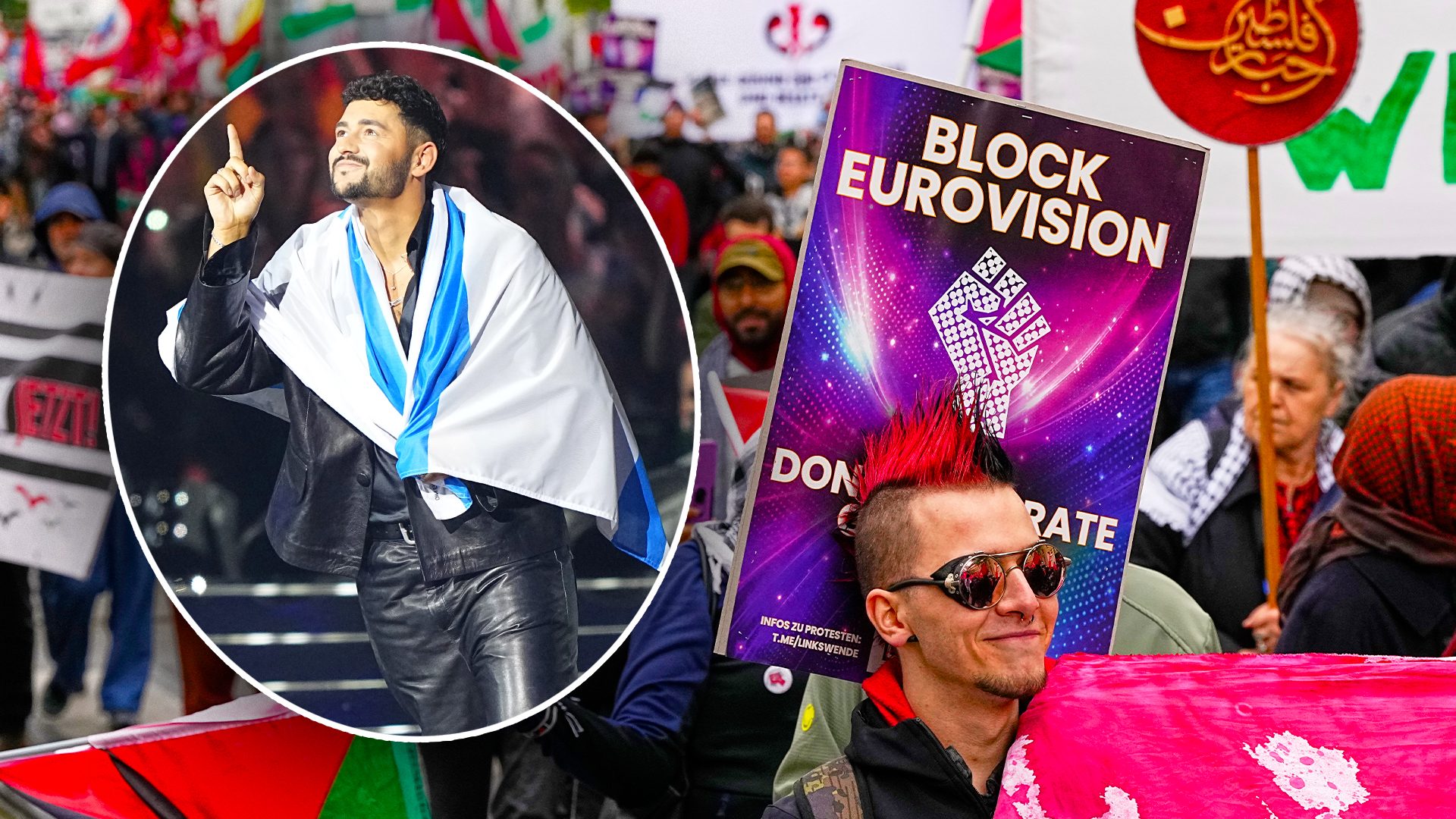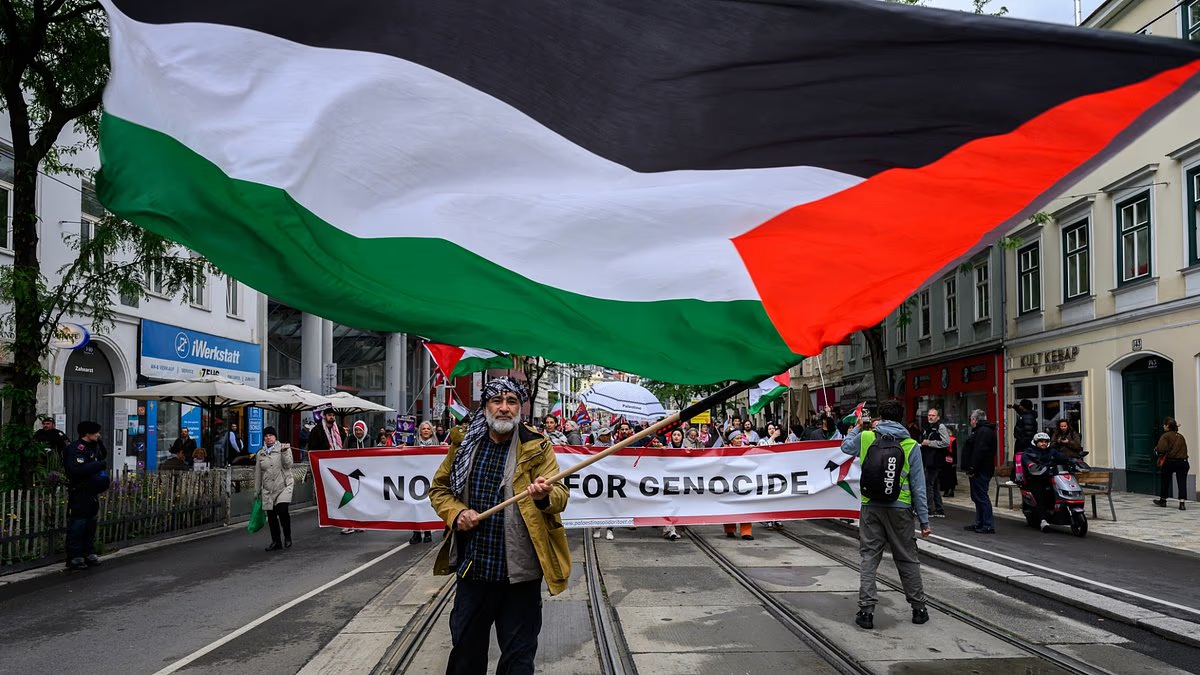
For seven decades, the Eurovision Song Contest -- which gathers performers from across Europe and further afield, selected by each country's public broadcasting service -- has delighted and, at times, baffled spectators. Now the glitzy annual competition -- hit this year by a boycott over Israel's participation -- is gearing up for its 70th anniversary grand final in Vienna on Saturday.So what makes Eurovision so unique?Geopolitical hotspotThe contest has been rocked this year by the withdrawal of several European countries in protest over Israel's participation following its war in Gaza, with the global backlash hitting last year's competition also.But it was far from the first time the competition had been affected by geopolitical tensions.During the Cold War, the absence of Eastern Bloc countries reflected Europe's division. Protests also erupted in the 1960s over the participation of Spain under dictator General Francisco Franco, and Portugal under the dictatorship of Antonio de Oliveira Salazar.The 1974 Turkish invasion of Cyprus prompted Greece to pull out, while tensions between Georgia and Moscow and the conflict over the Nagorno-Karabakh region between Armenia and Azerbaijan have also left their mark. In 2022, Russia was excluded over its invasion of Ukraine. The Ukrainian contestant went on to win.Reuniting EuropeOn the other hand, since the contest expanded to the eastern part of the continent in the 2000s, Eurovision has served as a catalyst for European integration, said University of Glasgow expert Paul Jordan.Participating in Eurovision has helped former Soviet republics such as Estonia and Ukraine cultivate their images as part of Europe, he added."Certainly for Ukraine, it was all about showing themselves as an independent Western, European country" while asserting opposition to Moscow, Jordan told AFP.Galina Miazhevich from Cardiff University said that as much as countries have used "some ethnic elements and language elements to kind of declare: this is who we are", there has also been a melding of influences, with plenty of bilingual songs and homogenisation.Social platformIn 1961, Jean‑Claude Pascal won with "Nous les amoureux" ("We the Lovers"), a song about a forbidden love that was later interpreted as an allusion to homosexuality.
Eurovision: 70 years of geopolitics, patriotism, music and glitter
It's been the crucible of music icons from ABBA to Celine Dion, a flashy symbol of European integration, the charged focal point for geopolitics and a stage for social change.
703 words~3 min read