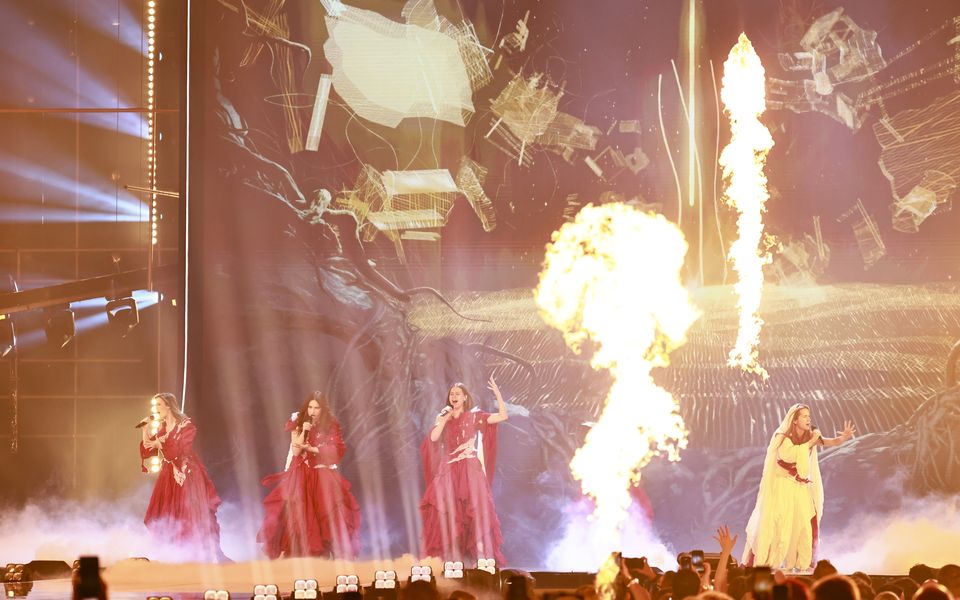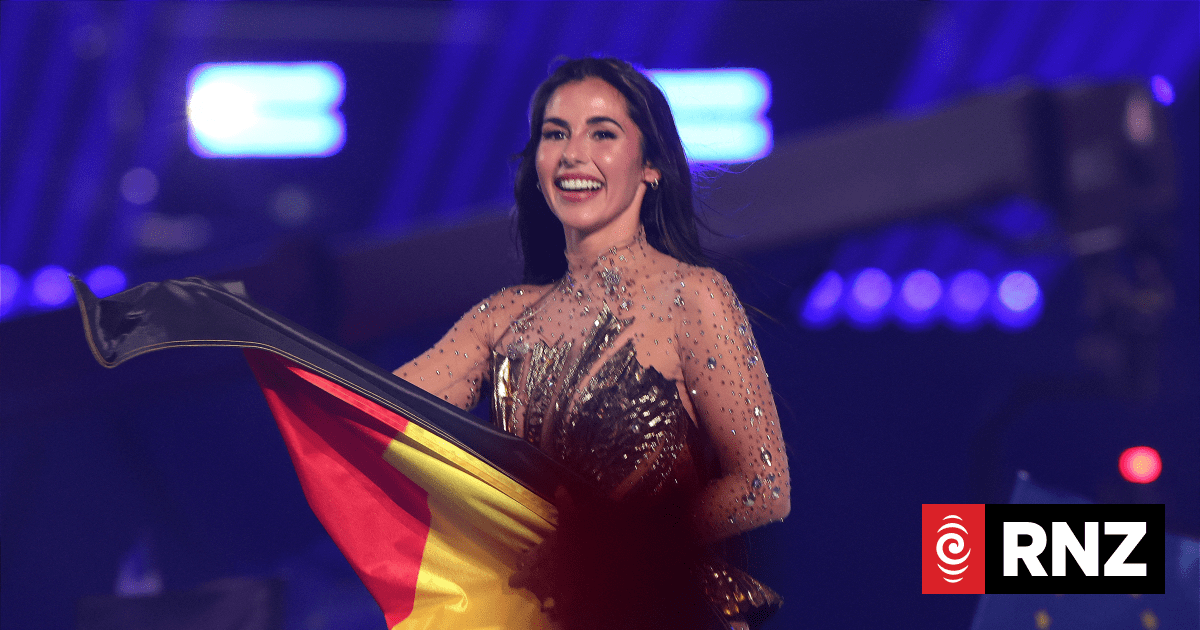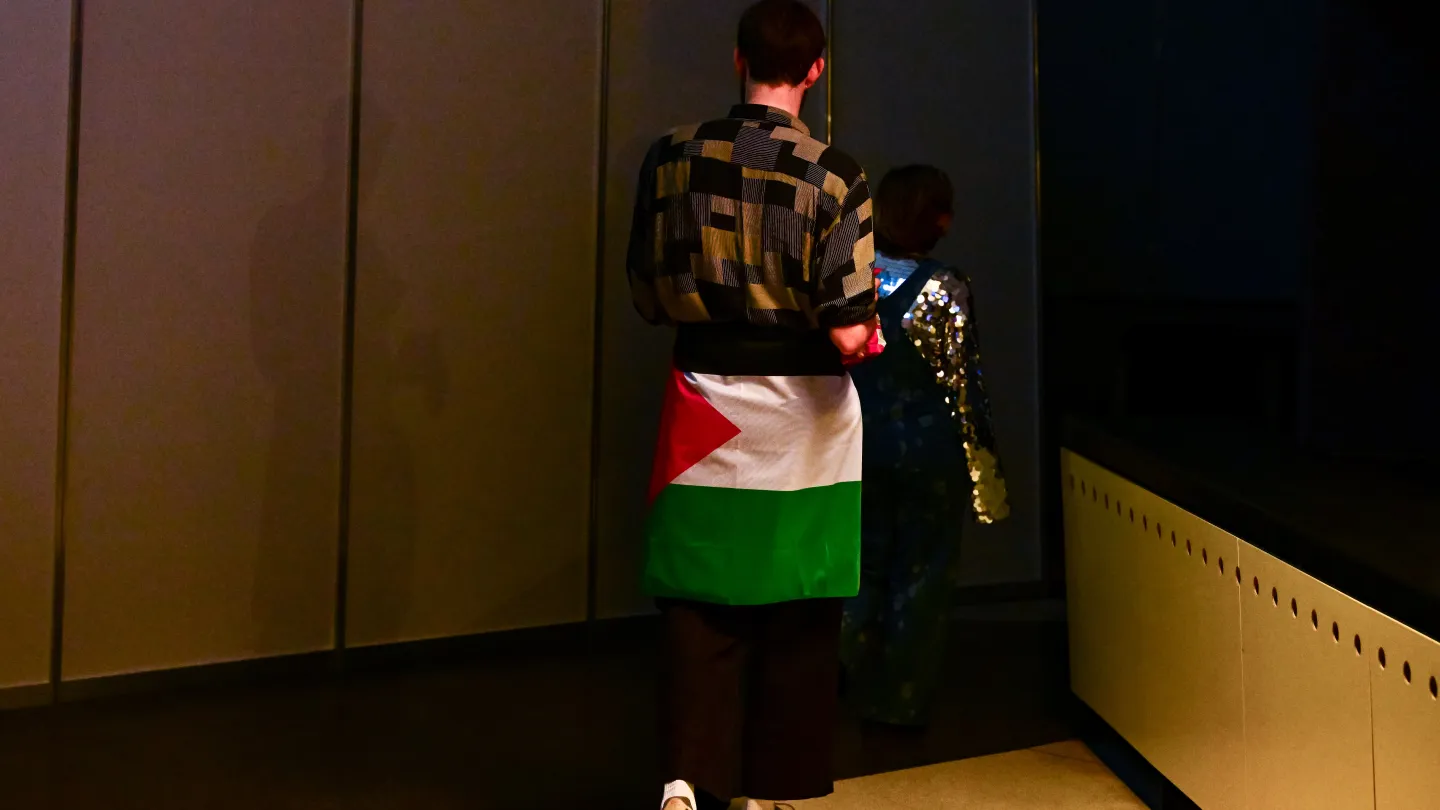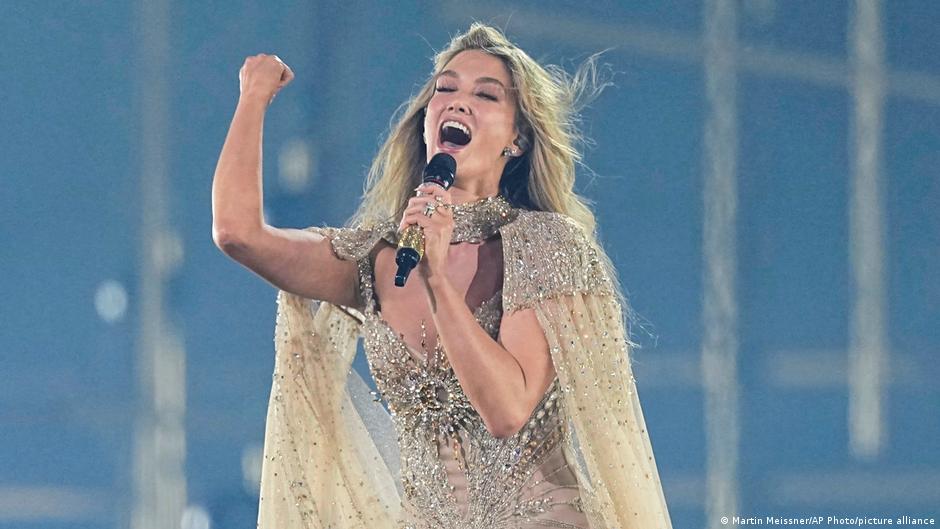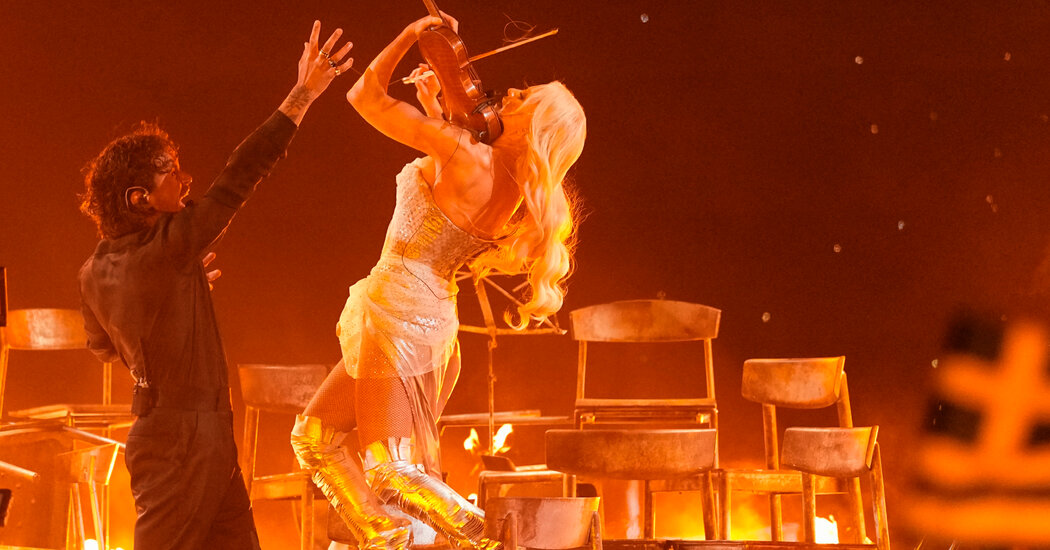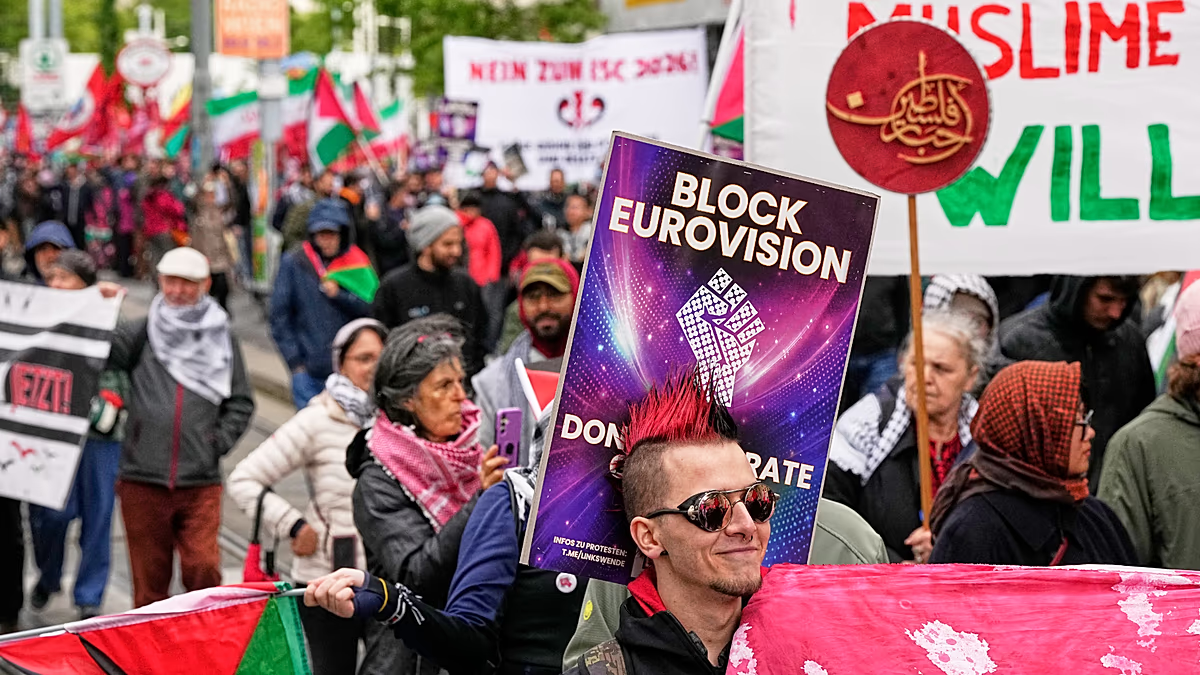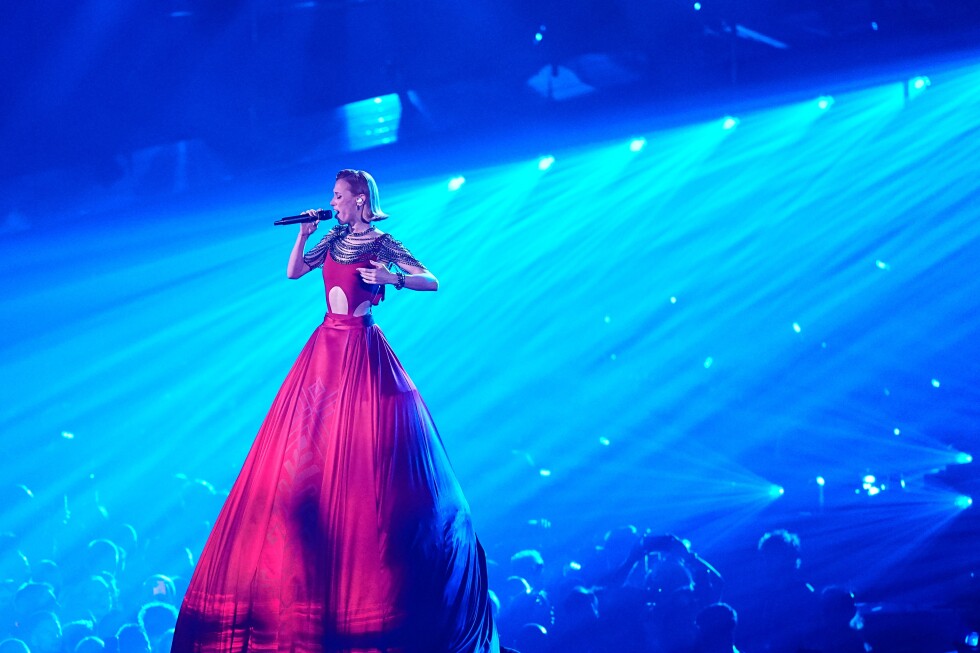
VIENNA (AP) — The final of the Eurovision Song Contest arrives Saturday, with tight security and rainy weather failing to dent the enthusiasm of fans, or the opposition of critics who think Israel shouldn’t be invited to the party.After a week’s buildup, acts from 25 countries will take to the stage at the Wiener Stadthalle arena in Vienna to battle for the continent’s pop crown. Millions of viewers around the world will cast judgment on a fiery Finnish violinist, a Moldovan folk rapper, a Serbian metal band and many more at Eurovision’s 70th anniversary event.The campy, colorful contest has been likened to the World Cup with songs instead of soccer. And like global sports, it often becomes entangled in politics. The contest has been clouded for a third year by calls for Israel to be excluded over its conflicts in Gaza and elsewhere, with five longtime participants — Spain, the Netherlands, Ireland, Iceland and Slovenia — boycotting in protest.
Finnish favorites fan the flamesNewcomers looking to grasp the essence of Eurovision and its interplay of pop and politics should look no further than two of the fan favorites to emerge during a week that saw two semifinals ahead of the grand finale.Rapper Satoshi’s “Viva, Moldova” combines “a stunning high energy performance with a subtle pro-European political message,” from a country moving toward the European Union after decades in Moscow’s orbit, said Eurovision historian Dean Vuletic. Greek artist Akylas’ song “Ferto,” or “Bring It,” provides a playful take on conspicuous consumption in a country still scarred by the economic wounds of the 2008 financial crisis.