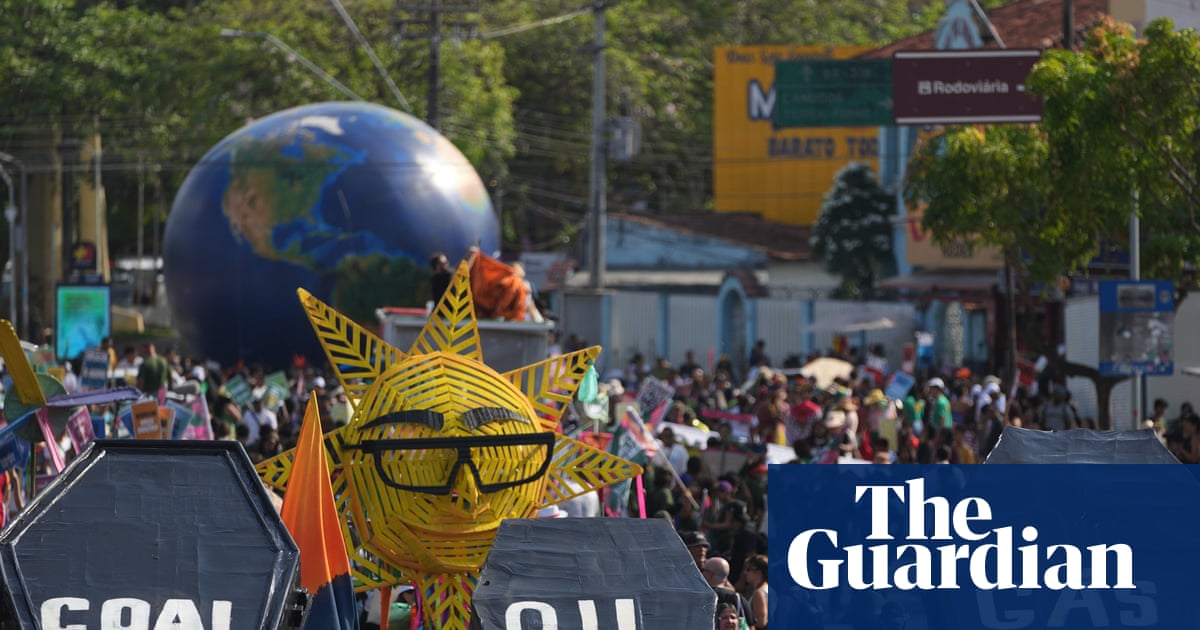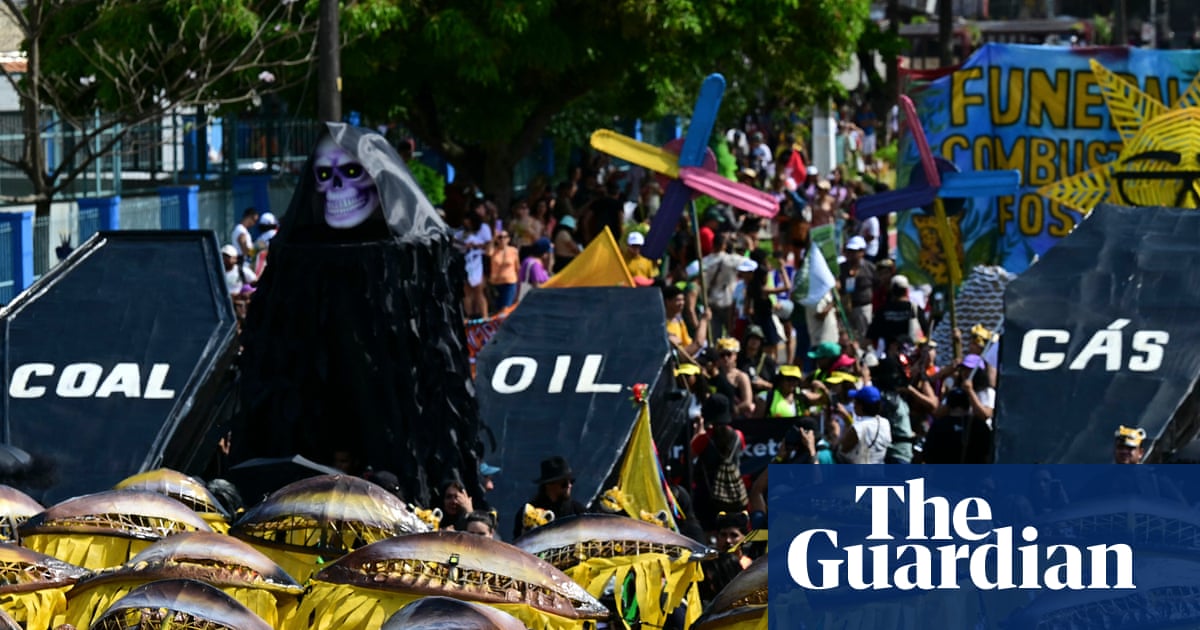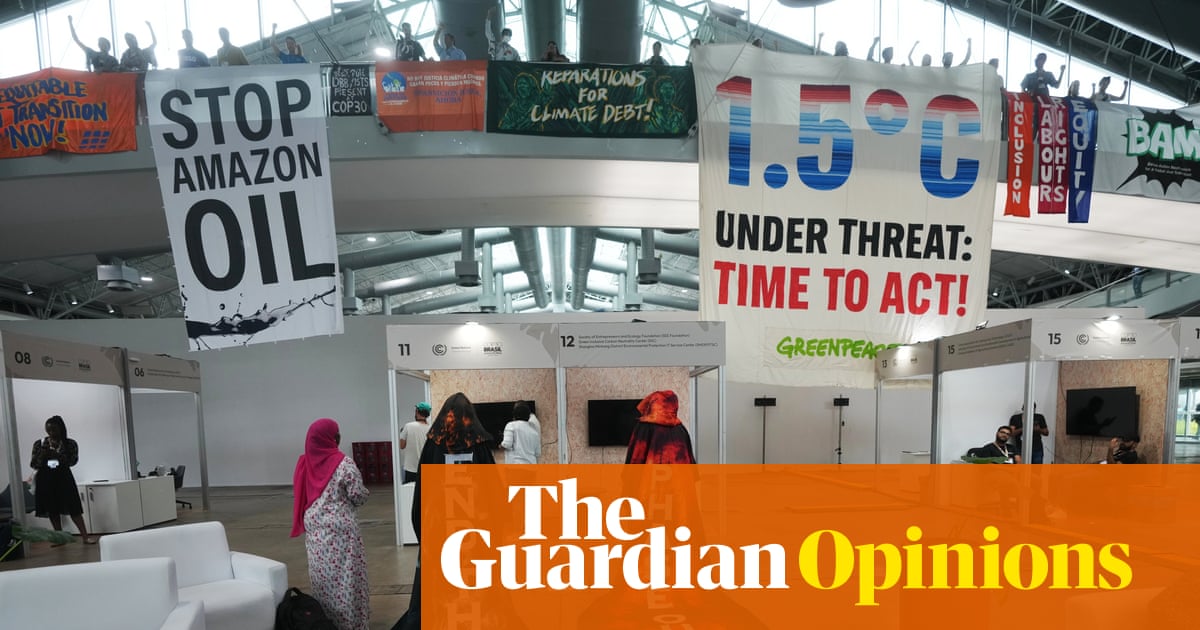
As oil prices rise along with the social and environmental tolls of both war and continuing fossil fuel use, delegates from 50 nations are about to gather in Colombia to frame a treaty that moves the world more quickly toward a renewable future.Policy breakthroughs can occur outside formal U.N. processes like this, and the Santa Marta conference beginning April 24 seeks to add momentum for a Fossil Fuel Treaty.“The end of fossil fuels is no longer a distant goal; it is an unfolding reality. The task now is to govern it,” a new op-ed argues.This article is a commentary. The views expressed are those of the author, not necessarily of Mongabay.
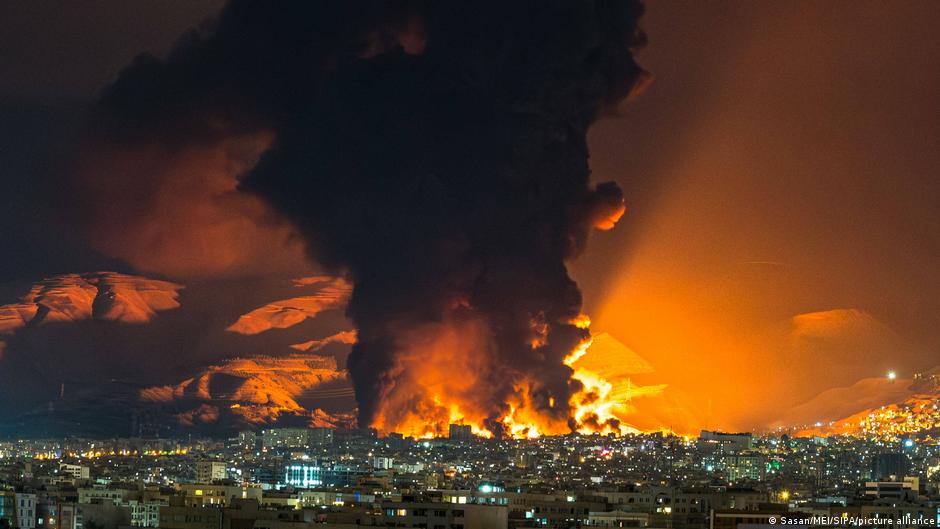
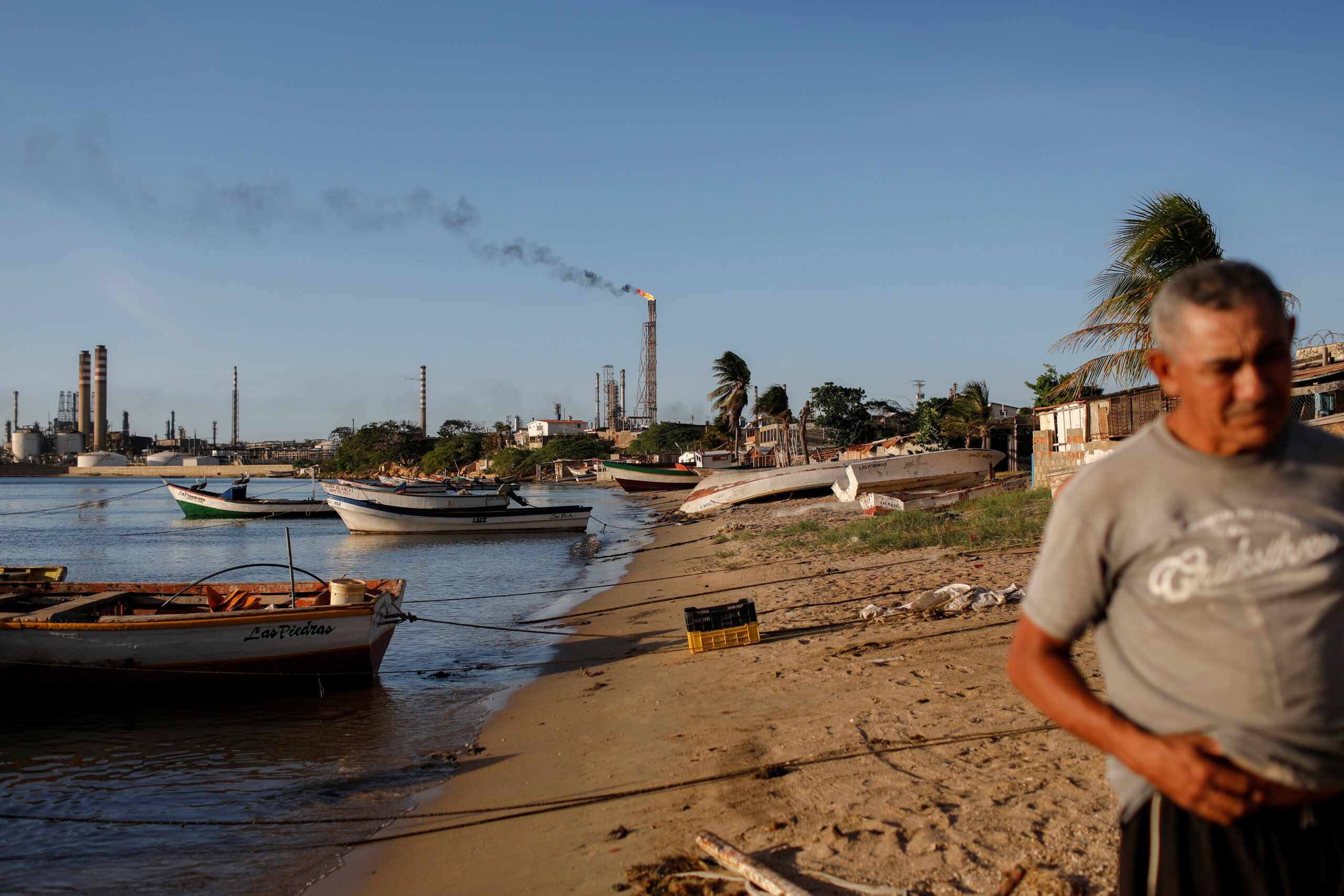
The fog of war is pervasive, but one thing is clear as “Gulf War 3” escalates: governments around the world are counting the cost of their dependency on oil and gas. “The largest supply disruption in the history of the global oil market” is the International Energy Agency’s take on the U.S.-Israeli war on Iran, which has seen oil and gas fields bombed and shipments through the Strait of Hormuz curtailed.
Oil prices are beyond $100 a barrel and inflation is picking up — even in the oil-and-gas-rich U.S. — while in Asia, governments are curtailing working days, limiting petroleum exports, and rationing liquefied petroleum gas (LPG) cylinders. Beyond economic disruption, this conflict has exacted a tragic human toll, with thousands of lives lost and countless families shattered. Growth goals, job targets, food supplies and the future hopes of citizens around the world are at the mercy of traders and huge corporations that stand to benefit as prices skyrocket.