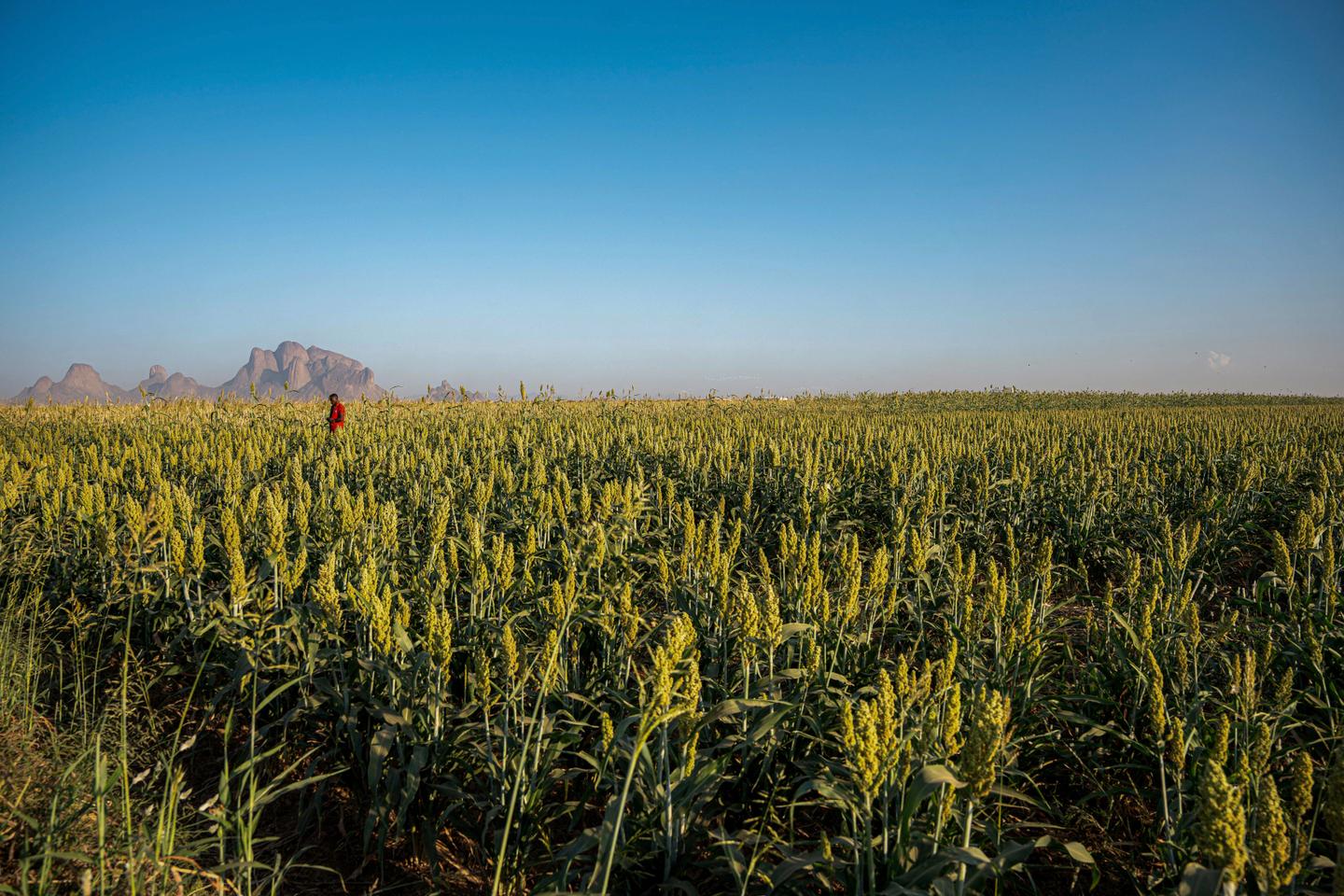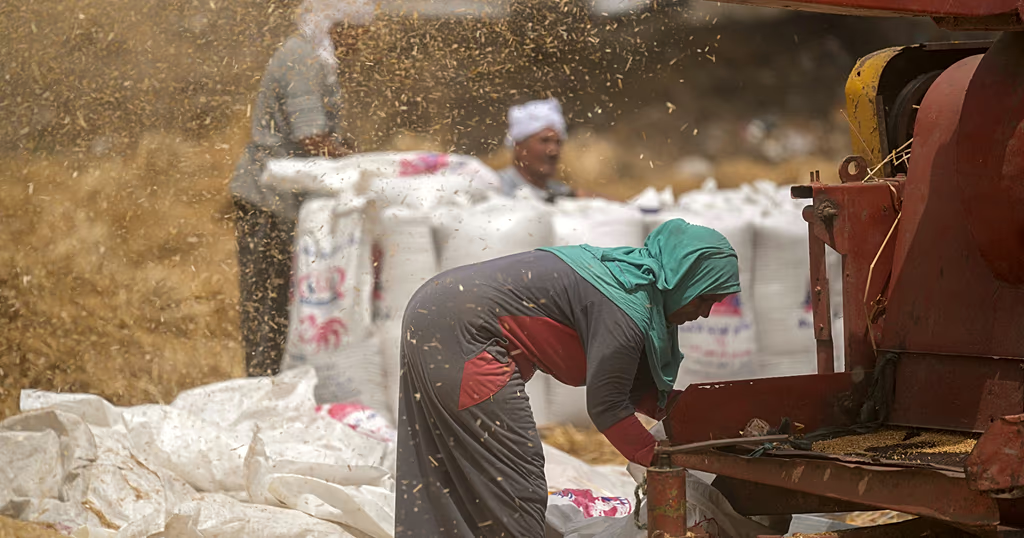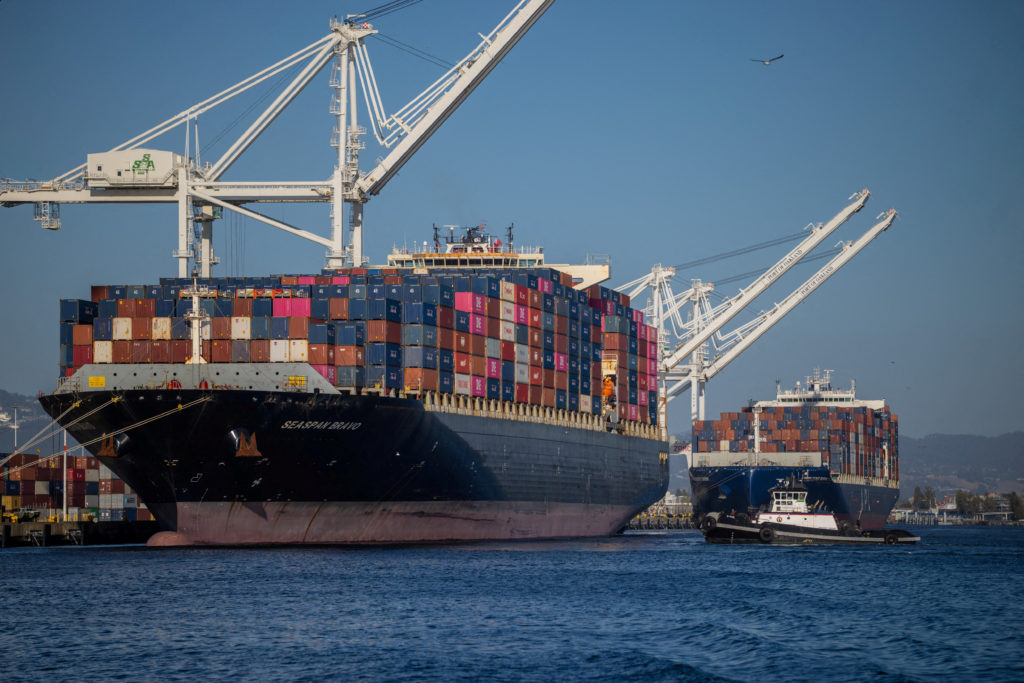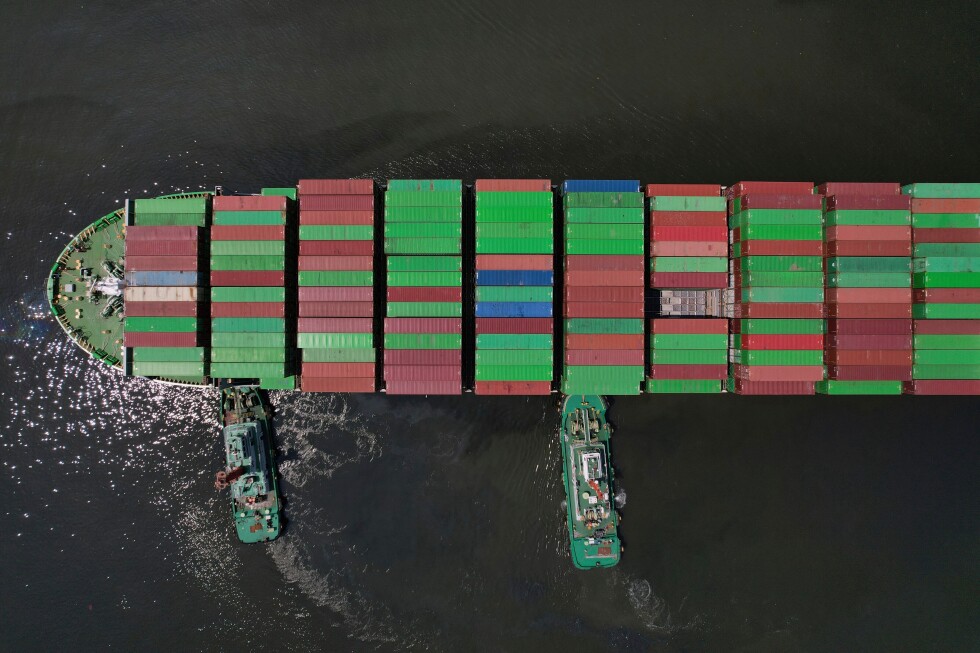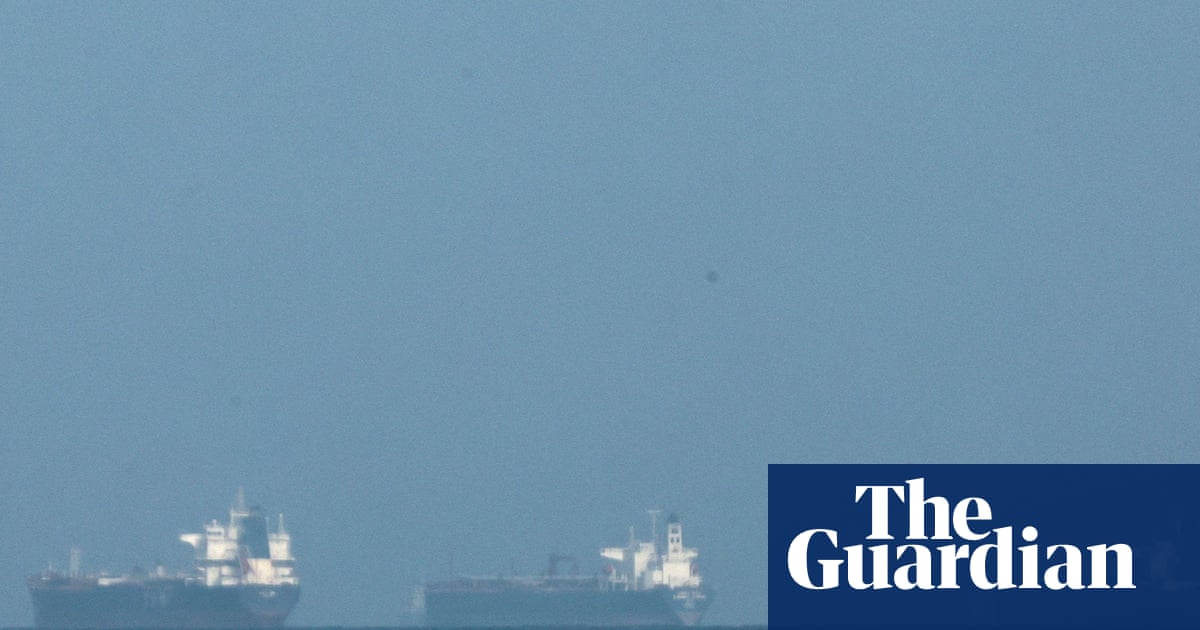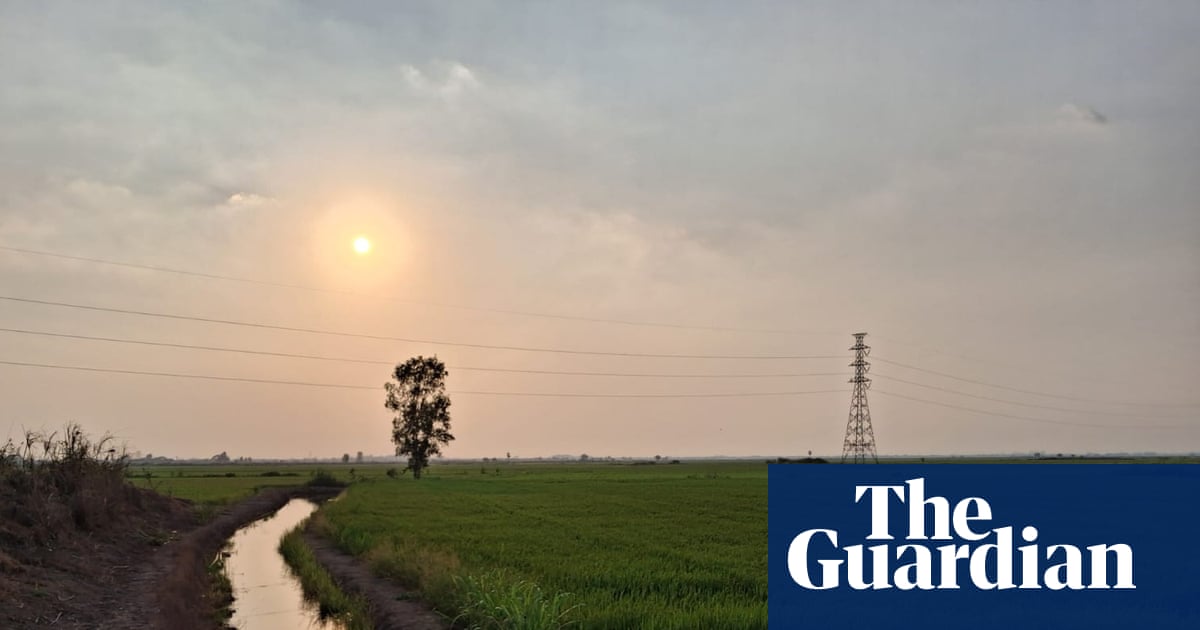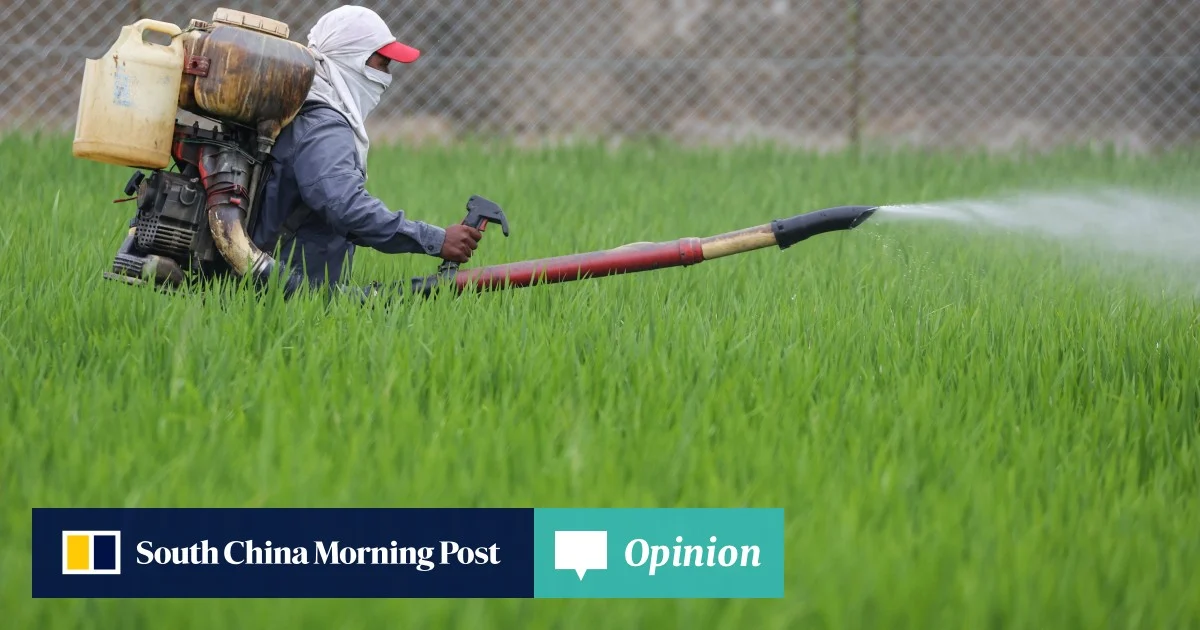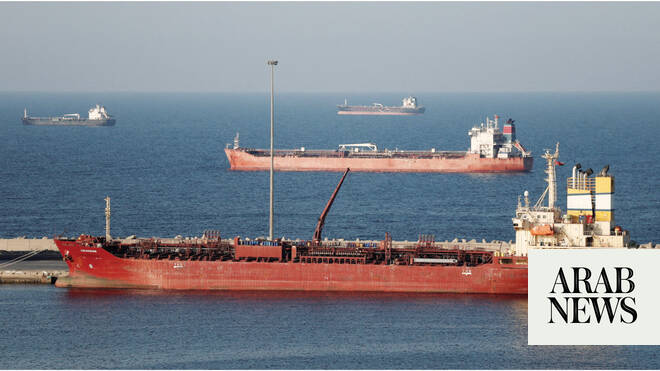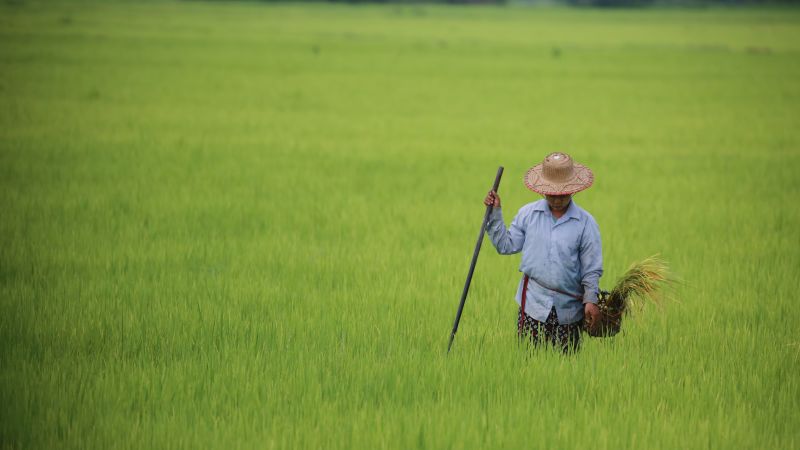
Maung Nu Sein needs fuel to plow, and fertilizer to nourish his rice as planting season approaches. But the ships carrying his crucial cargo are trapped 2,000 miles away by Iran’s stranglehold of one of the world’s most important waterways.
Now, the farmer is running the calculations. Can he survive when the costs of fuel and farming come to more than he earns from selling rice?
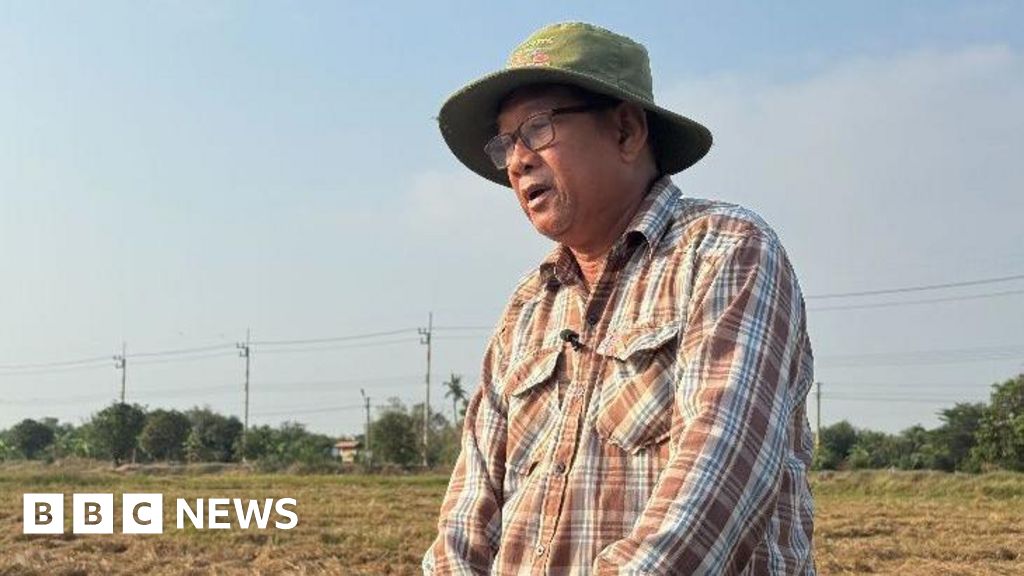
“There are many farmers who are abandoning their land as they have been struggling with everything,” the 72-year-old told CNN from his home in western Myanmar.
A civil war in his country, sparked by a military coup in 2021, had been raging for five years before the US and Israel launched strikes on Iran. The war in Myanmar has displaced millions, divided the country into military- and non-military-controlled areas, and gutted the economy and healthcare system.
Farmers like Maung Nu Sein were already grappling with low rice prices as well as soaring fuel and food costs due to the civil war and the military’s blockade of their coastal state. But the added impact of the Middle East conflict and the closure of the Strait of Hormuz is pushing others in his community in Rakhine state to the extreme, he said.