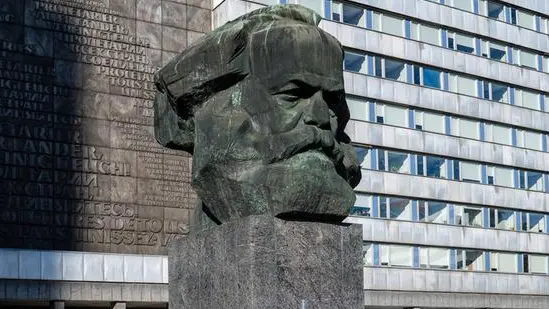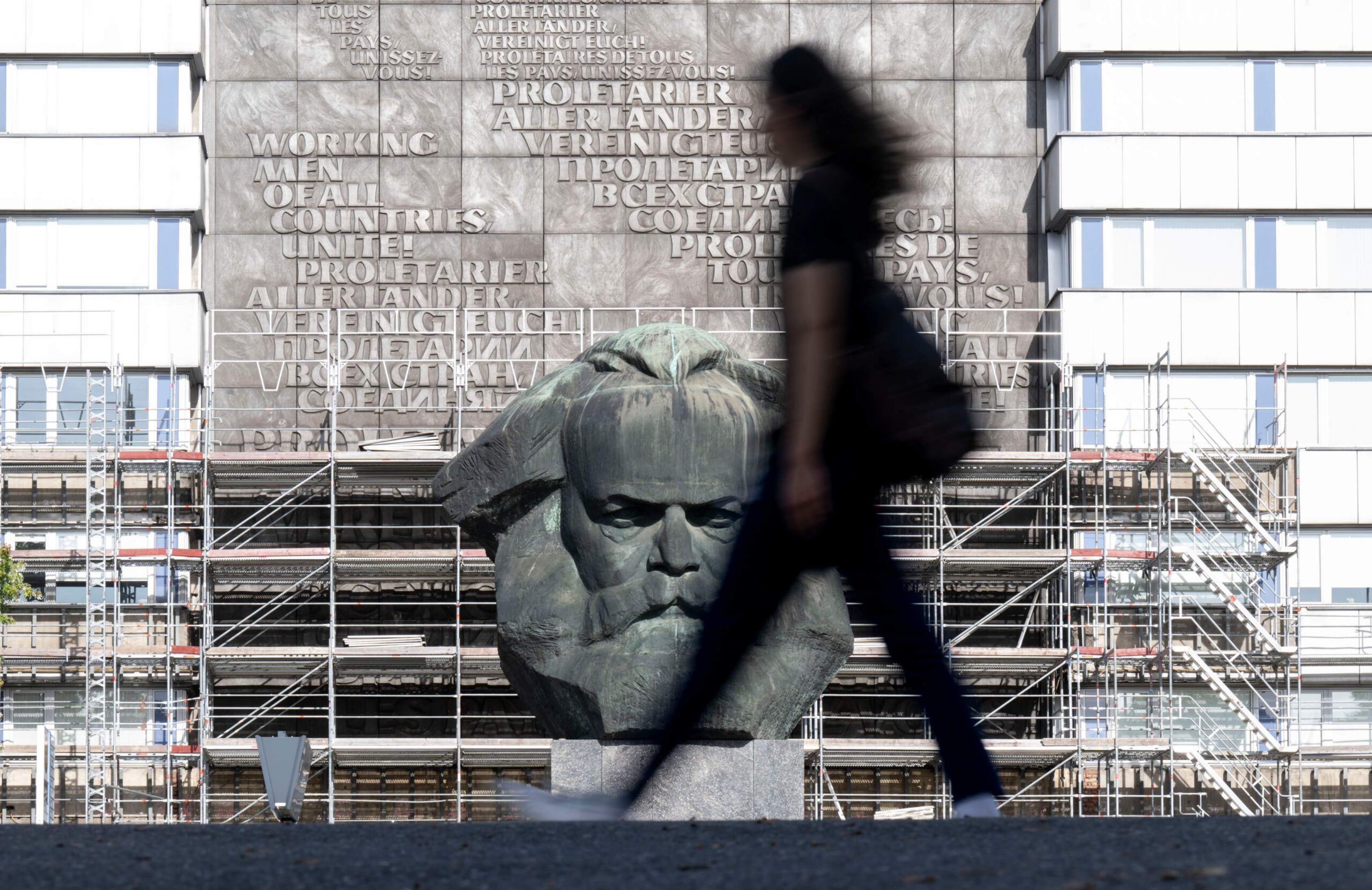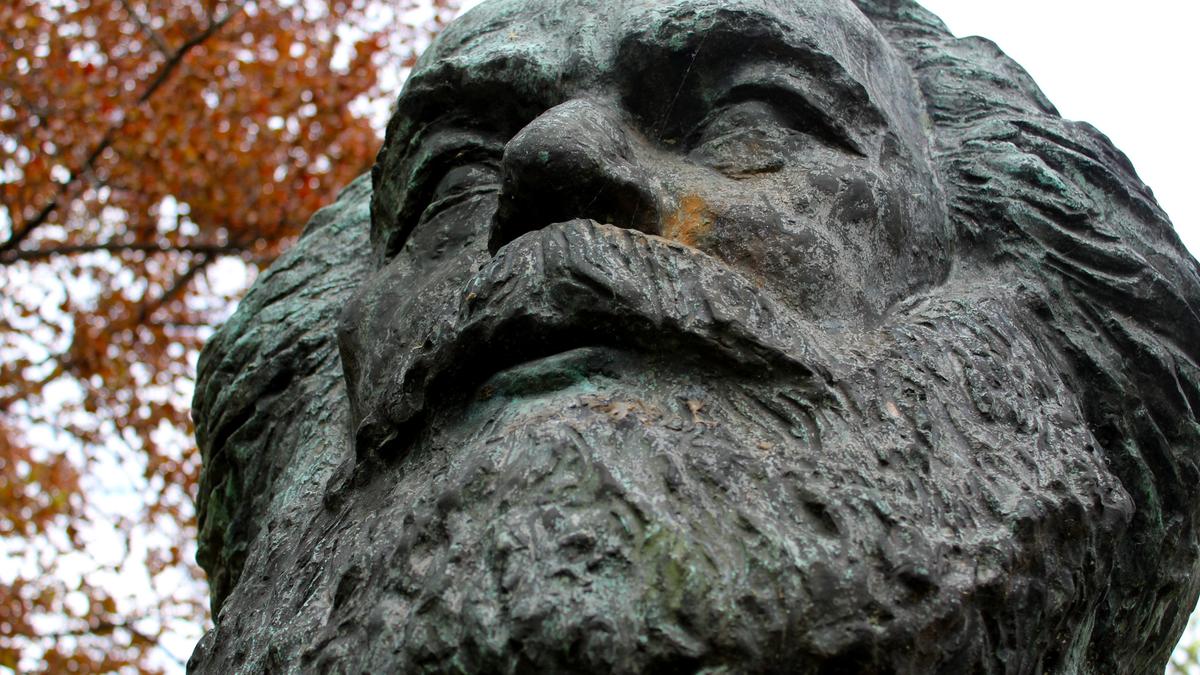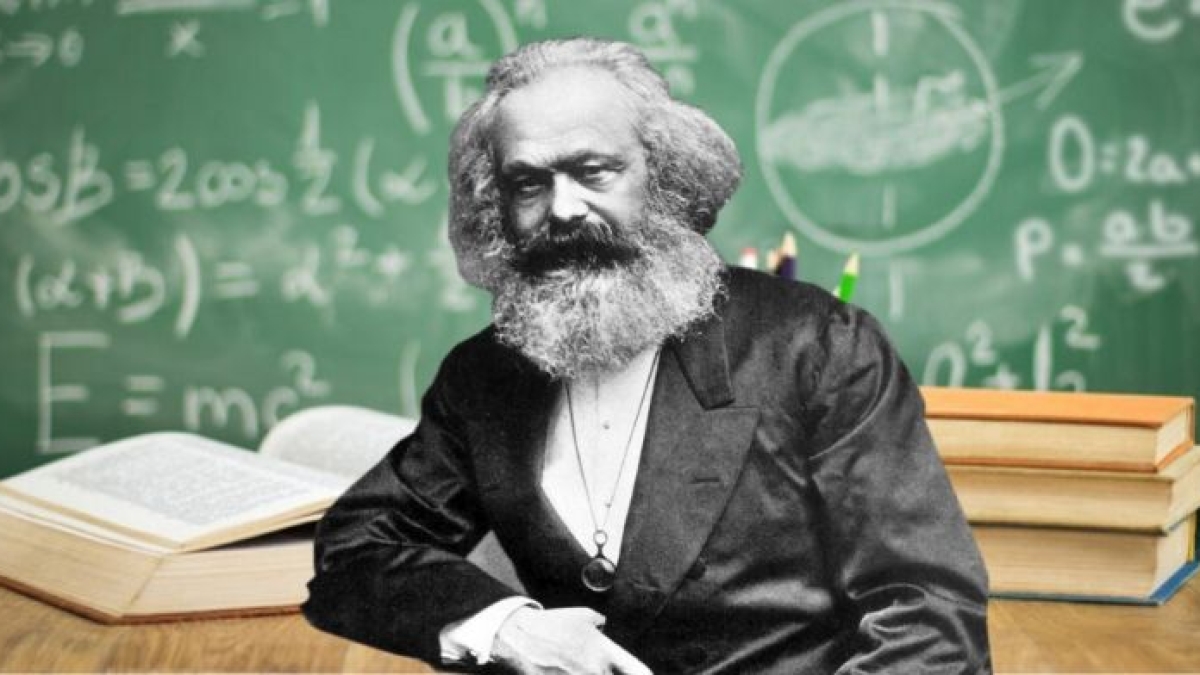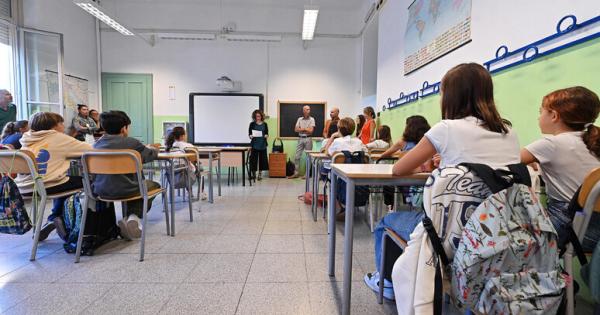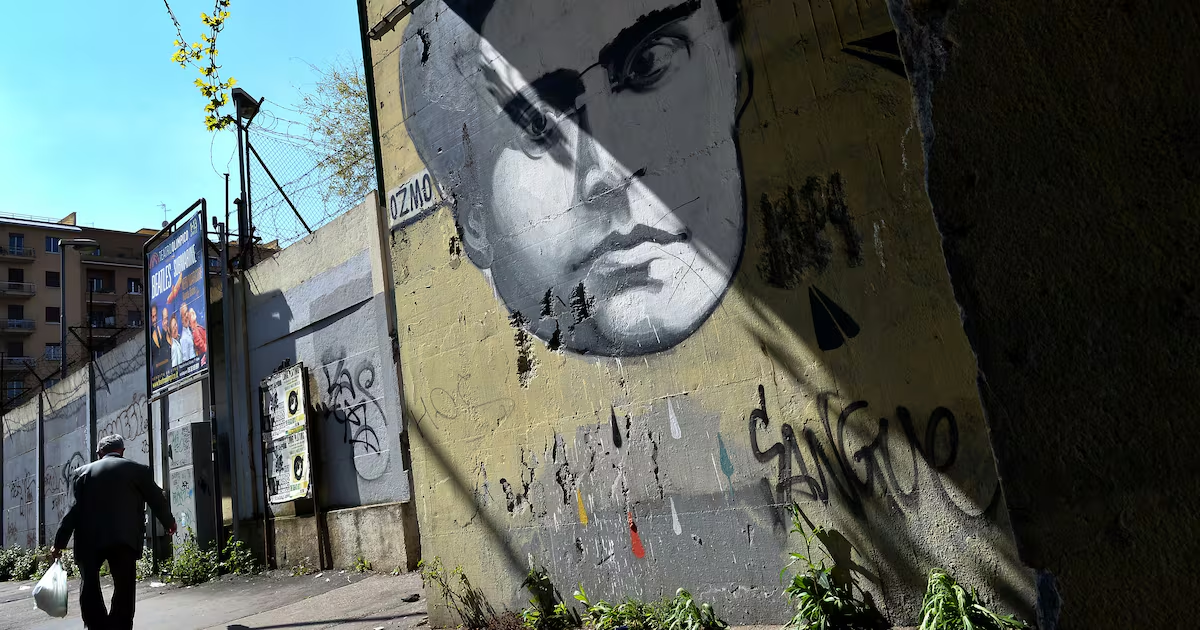
Proposed changes to Italy’s school curriculum that would remove the study of Karl Marx while emphasising conservative Italian thought have been met with a fierce backlash among philosophers.Education ministry proposals for the secondary school philosophy curriculum, which is studied by more than half of all Italian school students, do not include thinkers such as the deeply influential founder of Marxism or the 17th century Dutch pioneer of secular modernity Baruch Spinoza.Among those who are listed to be studied meanwhile is Giovanni Gentile, an influential idealist philosopher who went on to become minister of education under Benito Mussolini and to co-author the 1932 work The Doctrine of Fascism with the dictator.The proposals have led to accusations that the hard-right government of Giorgia Meloni is attempting to shift Italy’s “cultural hegemony”, or dominant ideological norms – a concept developed by one thinker left out of the curriculum: Italian Marxist philosopher Antonio Gramsci.“I do think there is a political motivation behind it,” said Giorgio Cesarale, professor of political philosophy at Ca’ Foscari University of Venice, one of 60 philosophers to sign an open letter objecting to the proposals, which has gained more than 14,000 signatures in support online.“For some years, the Meloni government has been trying in various ways to impose what they themselves call a new cultural hegemony,” Cesarale said.“They believe we need to replace a left-wing or Catholic-democratic hegemony with a hegemony of conservative thought, and they are carrying this out by occupying the top positions in cultural institutions and by inserting into the teaching of philosophy an approach that is directly opposed to the great rationalist, secular, atheist, materialist, and Marxist thought of the modern world.”The idea of cultural hegemony was developed by the Italian thinker Gramsci in his Prison Notebooks, written while he was imprisoned by the fascist regime of Mussolini. Proposed changes to Italy’s school curriculum that would remove the study of Karl Marx. Photograph: Imagno/Getty Images According to the concept, ruling elites maintain power by ideological dominance and the shaping of norms though the control of schools, universities and cultural institutions.The government’s minister of culture, Alessandro Giuli, a former journalist and far-right activist, is the author of a book called Gramsci is Alive, which discusses the idea of cultural hegemony from a right-wing perspective.[ Italian voters reject Giorgia Meloni’s proposed overhaul of judiciary system in referendumOpens in new window ]A module that was included in the last curriculum guidelines in 2010 and that would include Gramsci – “interpretations and development of Marxism, particularly in Italian thought” – has disappeared in the new version.“Without Marx, you understand nothing, because so much of philosophy since is a dialogue with or about Marx,” said Francesco Toto, an associate professor at Roma Tre University.“You can’t understand modernity, the various struggles of workers or colonised people for freedom. Removing him means removing a significant part of history, but also of the hopes for freedom and equality of the last two centuries.”The proposals also newly include the influence of women in philosophy, though the list of suggested thinkers has been criticised as superficial and focusing on religious mystics.In defence of the plans, the head of the ministerial commission in charge of drawing them up, Loredana Perla, has said they were part of a “democratic consultation” and that “every contribution will be taken into consideration”. Freedom in teaching is protected in the Italian constitution and teachers will be free to deviate, as the proposals are intended to be guidelines “without intending to impose a mandatory list,” she said.The proposals have led to accusations that the hard-right government of Giorgia Meloni is attempting to shift Italy’s 'cultural hegemony'. Photo: Stefano Rellandini/ AFP via Getty Images Critics, however, point out that the guidelines will be nevertheless followed closely by the publishers of text books and that teachers will be under pressure to conform to them within schools.“The ministerial guidelines are, indeed, guidelines,” said Stefano Visentin, associate professor at the University of Urbino.“That said, it’s clear that this puts pressure on teachers who may not be able to resist, especially if school management increases this pressure.”Philosophy is a compulsory core subject in Italian classical secondary schools, which are attended by just over half of school students with the rest going to technical or vocational schools.This is the legacy of none other than Gentile, the idealist philosopher turned fascist minister, who introduced the system in a 1923 reform, intending the classical high schools give the children of the ruling classes a grounding in the classics and philosophical thought.“Changing the teaching of philosophy is therefore a crucial political step,” Cesarale said. “It touches a nerve point, reorientating education as a whole in a different direction, and shaping those young men and women who will go on to be the future rulers.”The controversy is just the latest to break out over proposed overhaul of the national school curriculum.The proposals place Italian, European and western history back firmly at the centre of the history curriculum, as opposed to greater study of world history and other civilisations. This is described in the plan as a very deliberate choice.This decision is due to the “enormous importance that this history has had and continues to have in world affairs,” according to the proposals, “having provided it with the universally adopted forms of modern statehood, the theoretical premises of scientific research and progress, the foundations of human rights and freedoms; and even our concept of history itself.”
Italian philosophers rebel over plan to drop Marx from school curriculum
Meloni government accused of attempt to impose ‘right-wing hegemony’
902 words~4 min read