As legislatures adopt AI, Italy aims to boost efficiency without undermining democratic accountability.
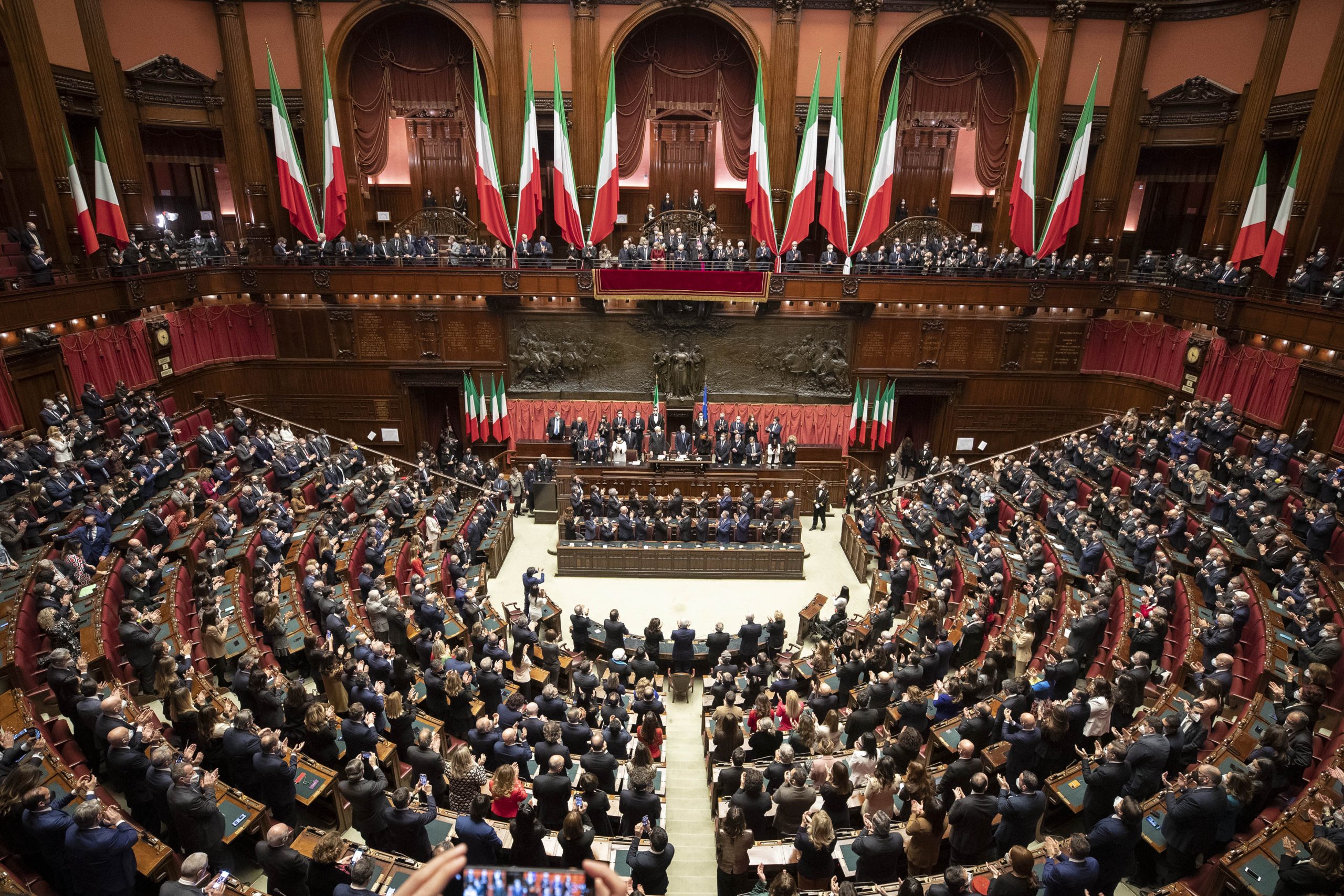
A joint session of the Italian Parliament. Photo: Francesco Ammendola – Ufficio per la Stampa e la Comunicazione della Presidenza della Repubblica, Quirinale.it, Attribution, via Wikimedia Commons
As legislatures adopt AI, Italy aims to boost efficiency without undermining democratic accountability.
Artificial intelligence is reshaping how we live and how we make collective decisions. As Luciano Floridi – philosopher and Professor of Philosophy and Ethics of Information at the University of Oxford – argues, the key challenge is no longer whether AI will continue to develop, which is largely unavoidable, but how to steer it towards the public good.
This ethical question also arises in parliamentary settings, when parliamentary administrations introduce AI systems to support internal work. Alongside the promise of greater efficiency lies a core issue: the effect these technologies may have on the democratic functions of elected assemblies.