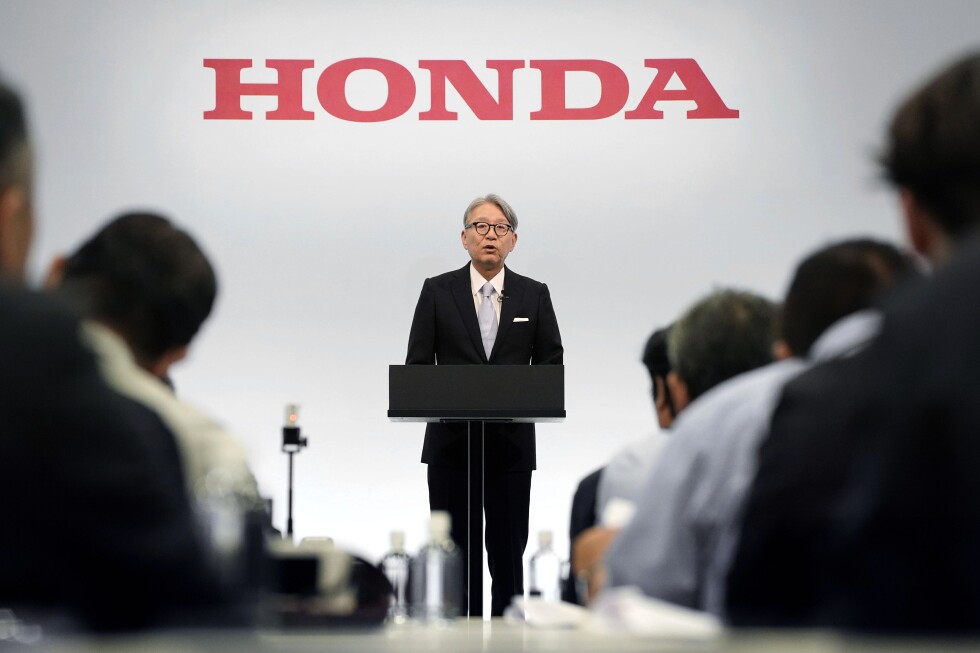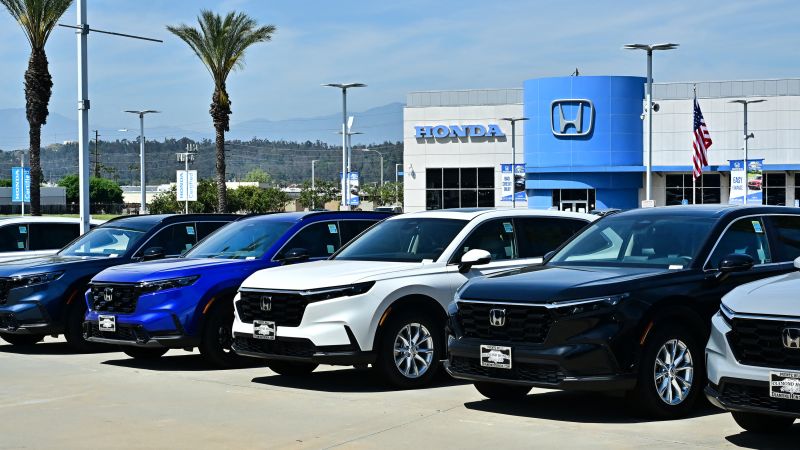
The auto industry’s massive pullback from its electric vehicle plans has claimed another victim: Honda, which posted its first annual loss since 1955.
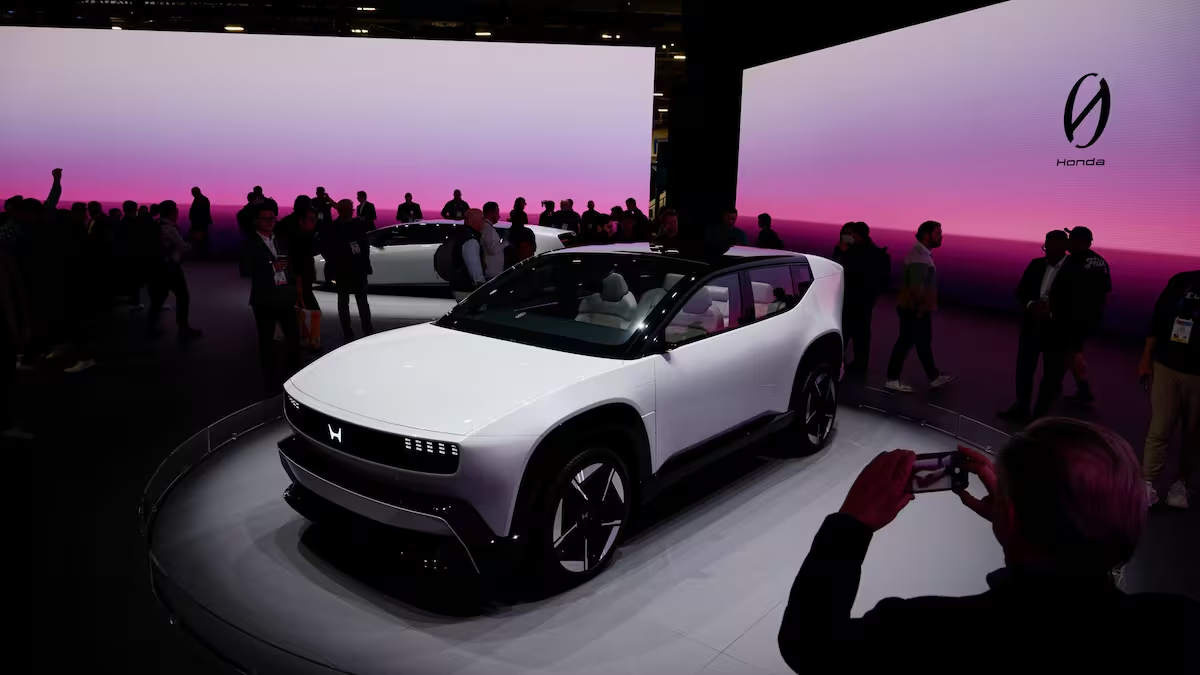
Honda and other global automakers downshifted their EV ambitions after the Trump administration changed US emissions rules and ended a $7,500 tax credit for American buyers. EV sales fell sharply after the tax credit went away in September, and the recent spike in gasoline prices has not sparked a significant increase in EV demand by US buyers.
Car companies had expected much stricter American emissions rules, leading them to invest billions of dollars to move towards an all-electric vehicle lineup sometime in the next decade. But the Trump administration scrapped the tougher emissions rules put in place by the Biden administration and eliminated massive financial penalties automakers faced if they violated emissions rules.
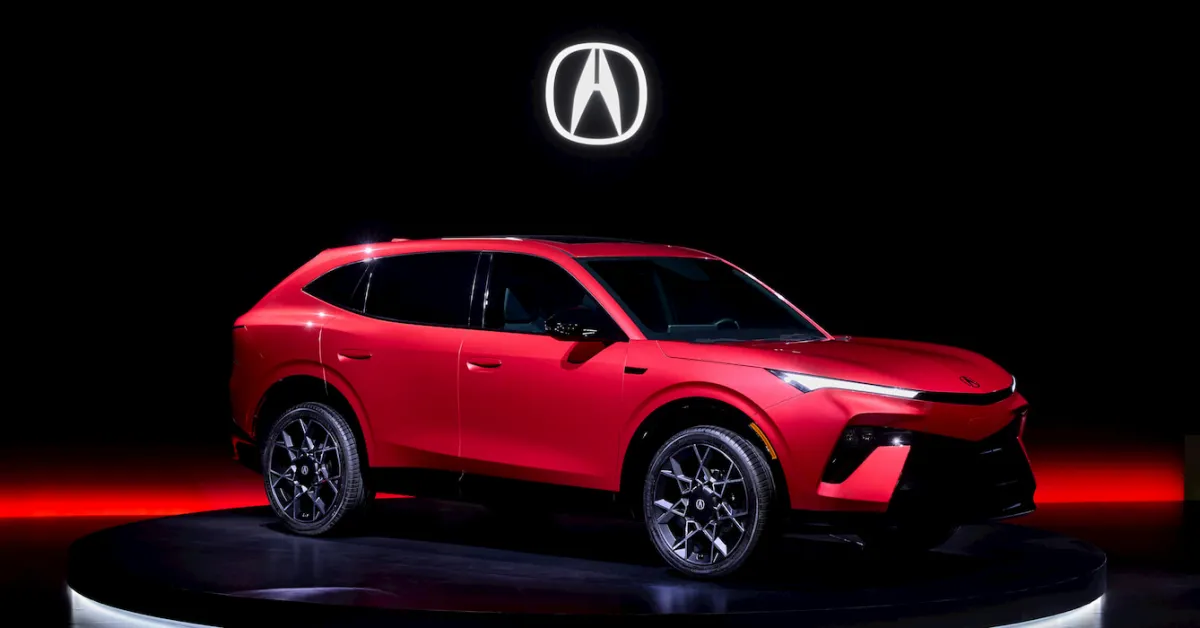
Those changes led automakers to return their focus on selling large gasoline powered trucks and SUVs, on which they made the most profit. But the shift has been costly to automakers, who have been forced to write down the value of their large-scale EV investments.
For its fiscal year ending in March, Honda reported it took a 1.6 trillion yen, or nearly $10 billion, hit to its earnings, wiping out what would have otherwise been a potential $7.4 billion profit for the year. Instead, it posted a net loss of 403.3 billion yen, or $2.6 billion.