Press return to see results.
cmd / ctrl + k to open and close.
Jim Thompson: Five Noir Novels of the 1950s & 60s edited by Robert Polito. Library of America, 814 pages. 2026.
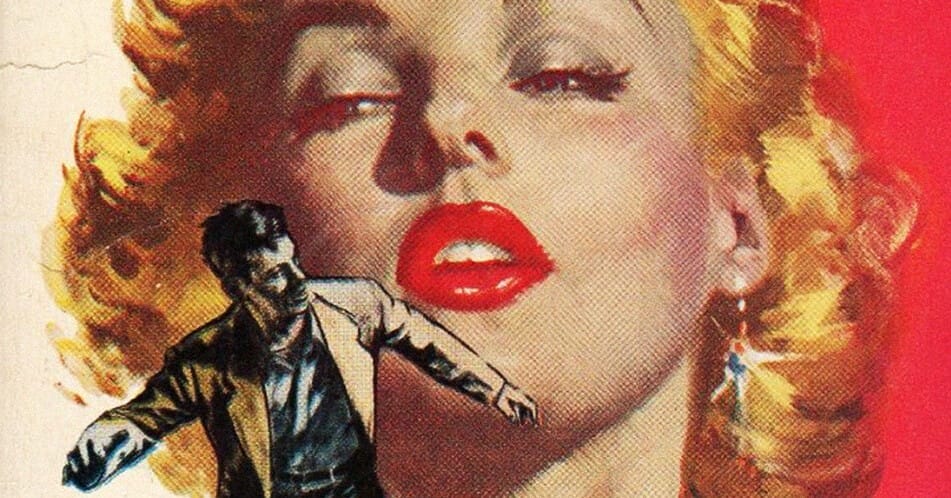
Given the masculine brutality endemic to noir fiction, it’s hardly surprising that many readers associate the genre with conservative, even right-wing, politics. From Mickey Spillane to James Ellroy, this enormously popular form revels in callous cops and private eyes who maim and kill in the name of truth, justice, and the American way. Ellroy’s loathsome self-appointed title “white knight of the far right” indicates that noir’s ideological reputation is at least somewhat performative if not completely deserved.
As the new Library of America edition of five Jim Thompson novels indicates, some crime fiction stands in vexed relation to the nation’s longstanding fascination with violence. Oh, Thompson’s novels are certainly bloody: Each title delivers copious acts of theft, assault, rape, and murder. Most of his protagonists are narcissistic sociopaths who commit unspeakable acts. But for all his characters’ cruelty, Thompson was reluctant to employ pulp sensationalism merely to perversely affirm the dominant social order. Unlike James M. Cain, Thompson doesn’t understand American crime fiction as underwriting a need to punish the lowly and disenfranchised, or pander to “law and order” rhetoric. It’s hard to imagine Thompson writing a novel like Cain’s Double Indemnity which ends with scheming adulterers Walter Huff and Phyllis Nirdlinger committing suicide rather than face imminent arrest and prosecution. To the contrary, Thompson tended to specialize in narratives that subvert the genre’s conservative tendencies. As crime novelist Nick Kolakowski recently argued in Ink-Stained Wretch of Thompson’s most famous work, “You’ll never look at cops the same way again after reading The Killer Inside Me.”