NDC will be judged not by the popularity of its political figures, but its willingness to remain connected to the struggles of ordinary citizens, writes KALU OKORONKWO
The maiden National Convention of the Nigeria Democratic Congress (NDC), held on May 9, 2026, at the Angeles Event Centre and Mall in Abuja, carried an unmistakable aura. It was not merely a gathering of politicians seeking electoral relevance; it was presented as a movement determined to reconnect politics with humanity, empathy and national healing.
From the early hours of the day, Abuja assumed the atmosphere of a political festival. Thousands of supporters from across the 36 states and the Federal Capital Territory flooded the convention venue with chants, banners and renewed optimism. The atmosphere was electric, yet purposeful.
Unlike the cold and transactional conventions that have long defined Nigeria’s political culture, the NDC gathering projected the image of a party determined to speak the language of ordinary Nigerians: citizens battered by economic hardship, insecurity, unemployment and political disappointment.
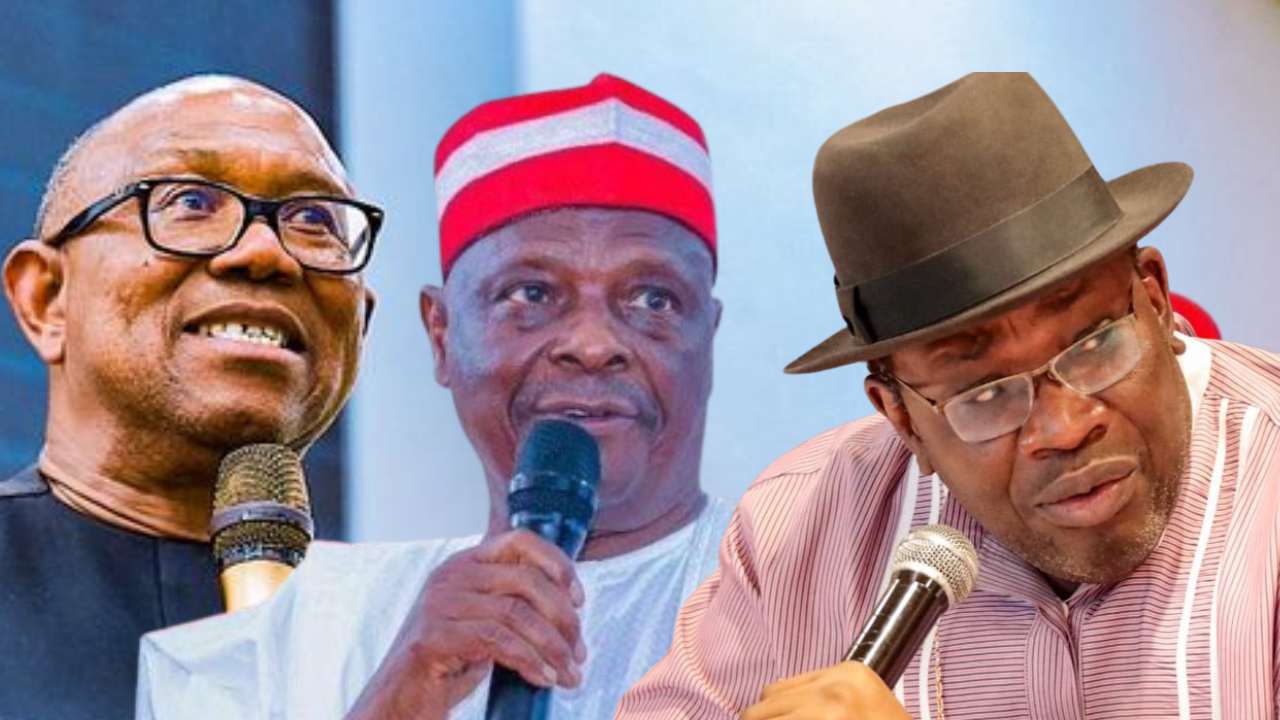
The convention was dominated by the dramatic arrival of the Kwankwasiyya and Obidient Movements, marking a significant and officially recognized political realignment ahead of the 2027 general elections. Though previously separate political movements, supporters of Rabiu Kwankwaso and Peter Obi, now popularly referred to by supporters as the “OK Movement” were seen chanting “Obi-Kwankwaso” in a remarkable display of unity and shared purpose.