JOSHUA J. OMOJUWA argues that the choice of Chinese firms for the revival of the refineries is flawed
Back when I was in secondary school, our classroom walls carried this inscription: Apartheid is a crime against humanity. It was Nigeria’s daily reminder of its commitment to the fight against apartheid in South Africa. I have a similar idea, different purpose. A deal that cannot survive sunlight at inception will not survive scrutiny in operation should be on the walls of every Ministry and Agency in Abuja. Nigeria has tested that sentence across too many sectors to count. The refineries are where we have tested it most expensively.
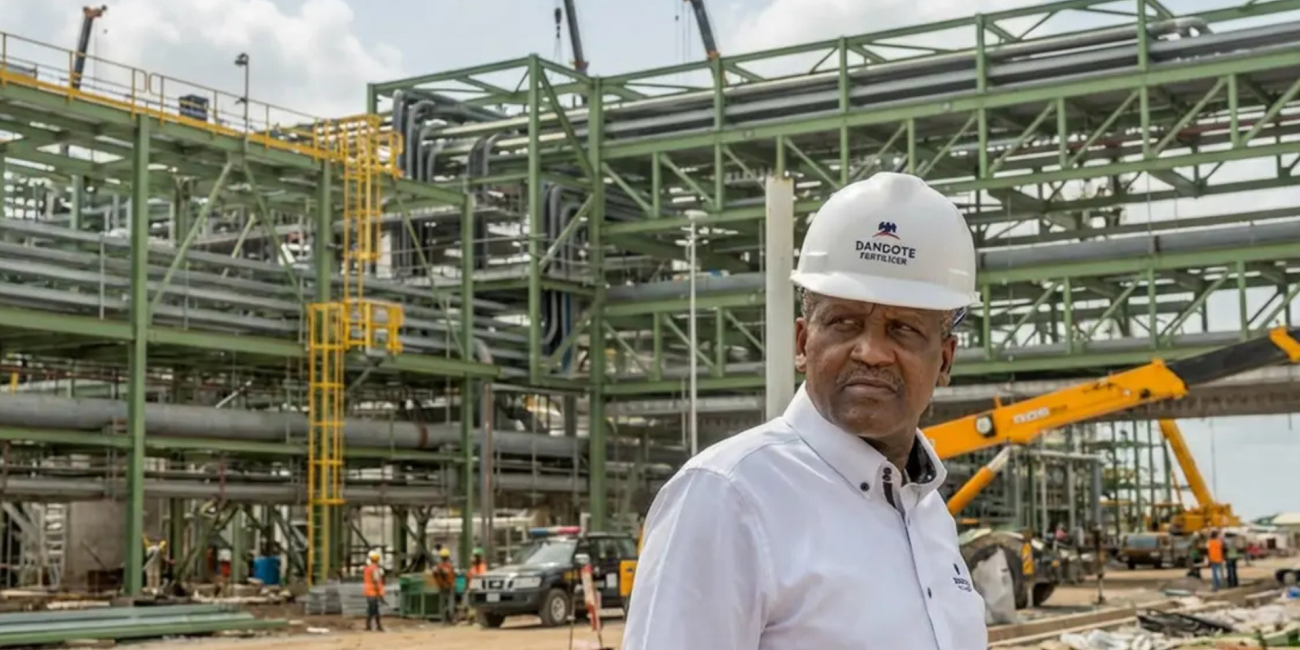
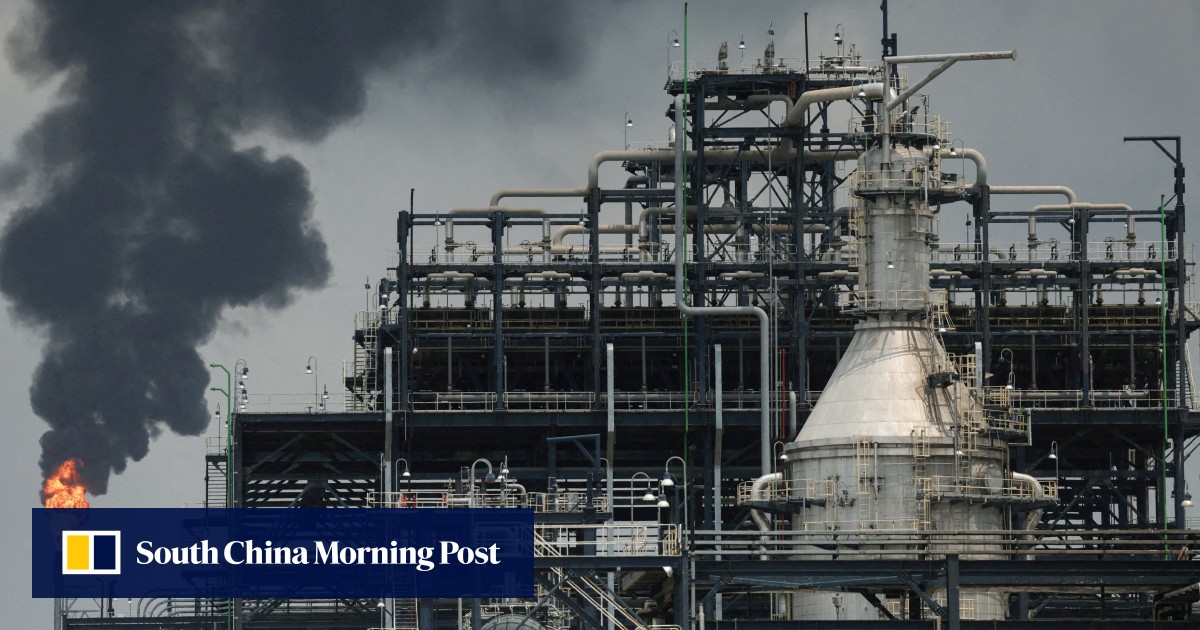
Let us begin with the verdict. The government should not be running any refinery. Successive administrations have poured money into Port Harcourt, Warri and Kaduna with the consistency of a man feeding a furnace with no chimney. More than $3.5 billion has reportedly been spent rehabilitating those three refineries without delivering consistent, sustainable operations. Some estimates place total rehabilitation expenditure across Nigeria’s state refineries at over $27 billion since the 1990s. For context, one private citizen built a 650,000-barrel-per-day refinery for roughly $20 billion. He built it once. It works.