The Chinese MOU is a familiar one with different address
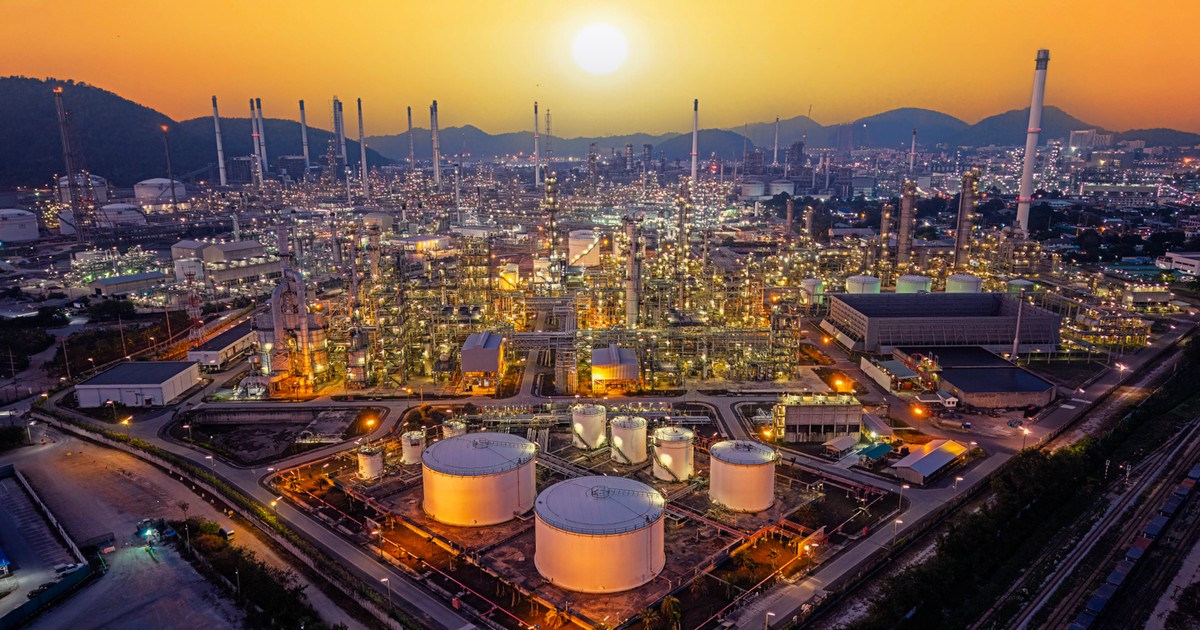
The latest announcement by the Nigerian National Petroleum Company Limited (NNPCL) of a fresh Memorandum of Understanding (MoU) with Chinese firms to ‘restart, expand and operate’ the Port Harcourt and Warri refineries is rather troubling. It is a reminder of a long, expensive cycle of opaque investments that have defined Nigeria’s refinery rehabilitation story for decades. Last Monday, the national oil company confirmed it had signed an MoU with Sanjiang Chemical Company Limited and Xingcheng (Fuzhou) Industrial Park Operation and Management Co. Ltd as part of a proposed technical equity partnership to complete and operate the refineries. The language is familiar: “Completion,” “efficiency,” and “long-term sustainability.” But Nigerians have heard all of this before.
In 2021, the federal government approved one of the single most ambitious refinery rehabilitation programmes in Nigeria’s history valued at roughly $3 billion. The breakdown revealed that for the Port Harcourt refinery, the government approved $1.5 billion, with the contract awarded to Tecnimont for a comprehensive engineering, procurement, construction and commissioning overhaul. The timeline was equally clear: phased rehabilitation with mechanical completion expected within 18 to 24 months, and initial production targeted soon after. For the Warri refinery, $897 million was approved as part of a combined $1.48 billion package for Warri and Kaduna, with Daewoo Engineering handling the rehabilitation. The expectation was that Warri would return to operation by 2023–2024. Besides, Kaduna refinery received approximately $586 million under the same approval, with a broader mandate to not just repair but reconfigure the plant to process more complex crude blends. It was projected to come on stream by late 2024. In total, the Muhammadu Buhari-era refinery reset was supposed to restore about 445,000 barrels per day of domestic refining capacity within a defined timeframe. All these refineries have remained largely idle.