W
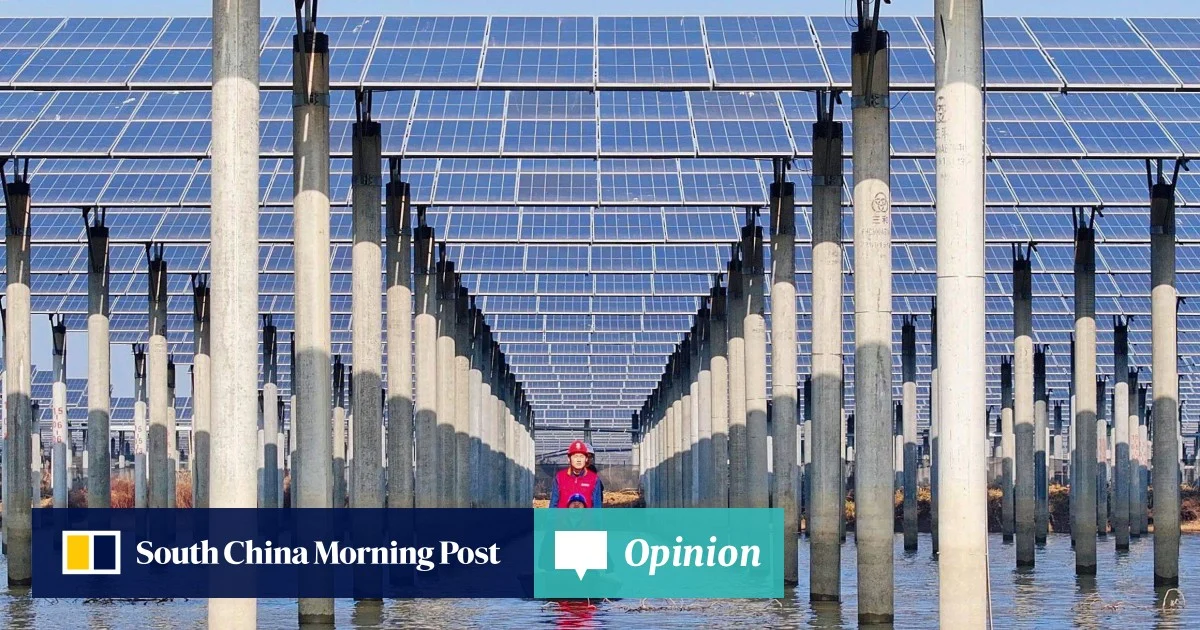
hy express outrage at Shein opening in the BHV department store in Paris, while welcoming Chinese solar panels and wind turbines with open arms? Why feel trapped by Beijing's restrictions on the export of rare earths, when for 30 years, both Europe and the United States have celebrated offshoring this highly polluting industry to the Communist empire?
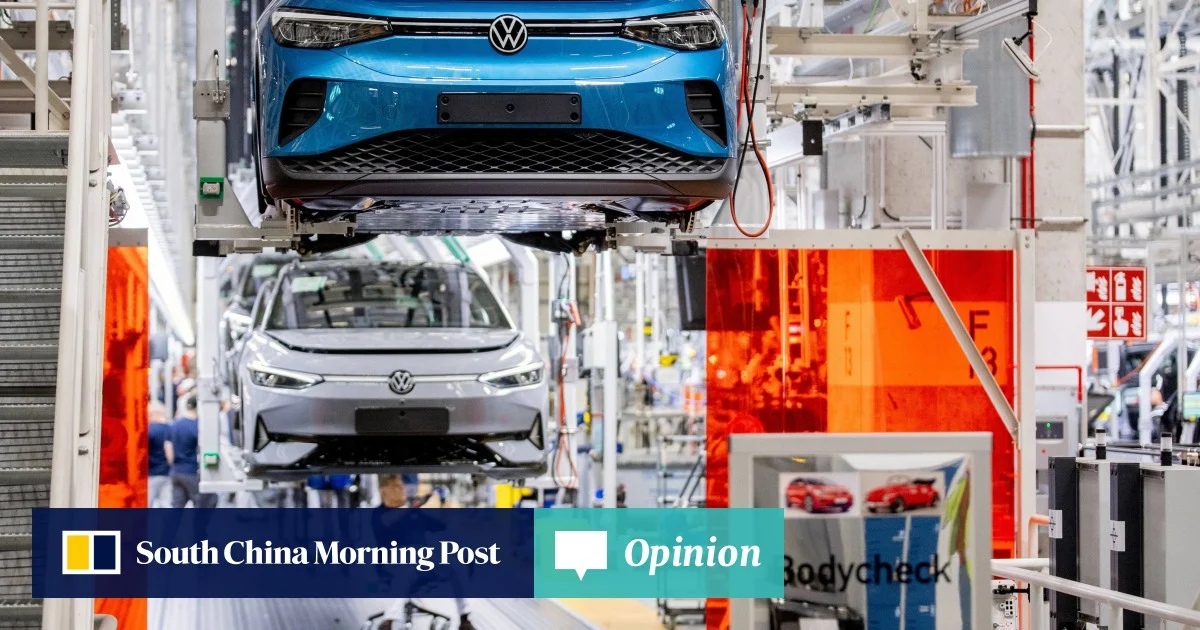
Over the years, Chinese exports have changed in nature, shifting from labor-intensive products (textiles, toys, furniture) to those with high technological value (solar panels, batteries, electric cars). While the former evoked bleak images of sweatshops, the latter are associated with green landscapes that symbolize "clean" energy.
But at its core, the Chinese model has not changed: precarious working conditions, minimal labor rights and a lack of transparency. The monthly salary for workers at BYD's automobile factory in Zhengzhou, based on a 40-hour work week, amounts to 2,100 yuan (€250), or €1.50 an hour, with five days of annual leave. The factory management prefers to highlight the "overall monthly remuneration," which can reach 7,500 yuan (about €900), but only if one works from 8 am to 8 pm, six days a week.
Subscribers only