Universities should be spaces of critical thinking, not conduits for foreign propaganda. Yet globally, there is mounting concern about state-backed influence operations linked to countries such as Iran and Qatar shaping discourse on campuses.
Sadly, South Africa is not immune.
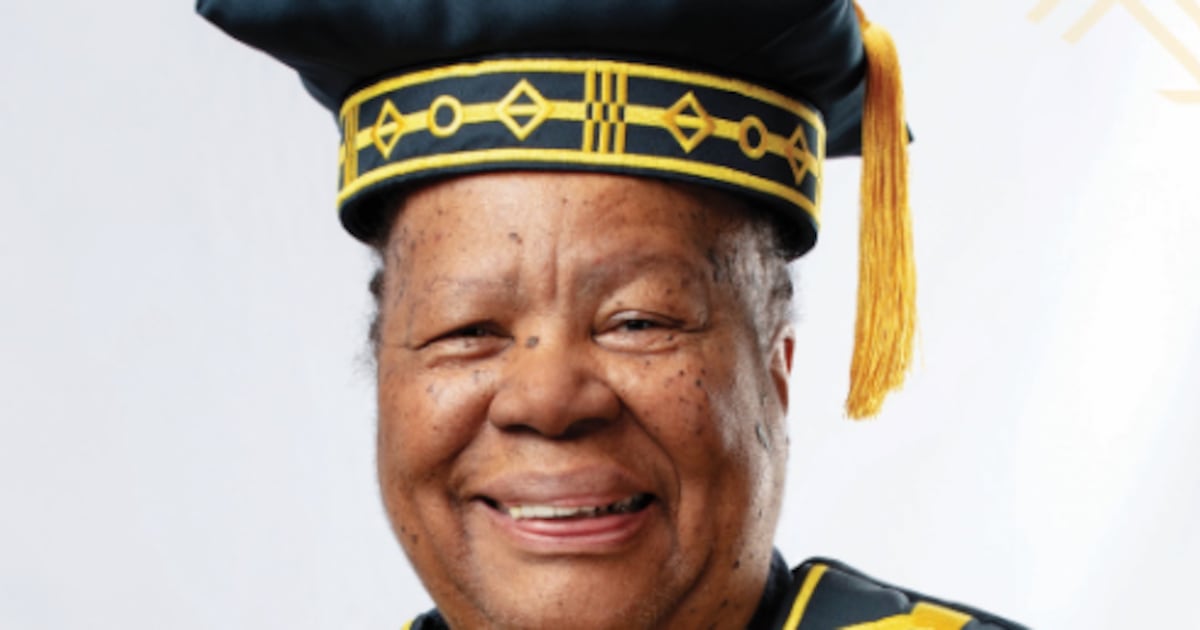
Former foreign minister Naledi Pandor, the Nelson Mandela Foundation and the University of Cape Town (UCT) are all responsible for opening the door to increasingly politicised religious extremism through alignments that have blurred the line between legitimate activism and ideological influence.
The consequences are now visible in rising polarisation and an odd importation of Middle Eastern conflicts into South African academic spaces.
Recent developments, such as UCT’s honorary recognition of figures such as Imtiaz Sooliman, who is linked to several extremist organisations, and Pandor’s own academic appointment at Nelson Mandela Bay University, raise important questions about how certain narratives are legitimised by amplification across borders.