According to reporting from Sarah Kaplan at the Washington Post, carbon dioxide pollution is causing crops to lose nutrients. “Everything from really essential staples, like rice and wheat and soybeans,” said Kaplan, “to lettuce, potatoes, sweet peppers, and canola.”
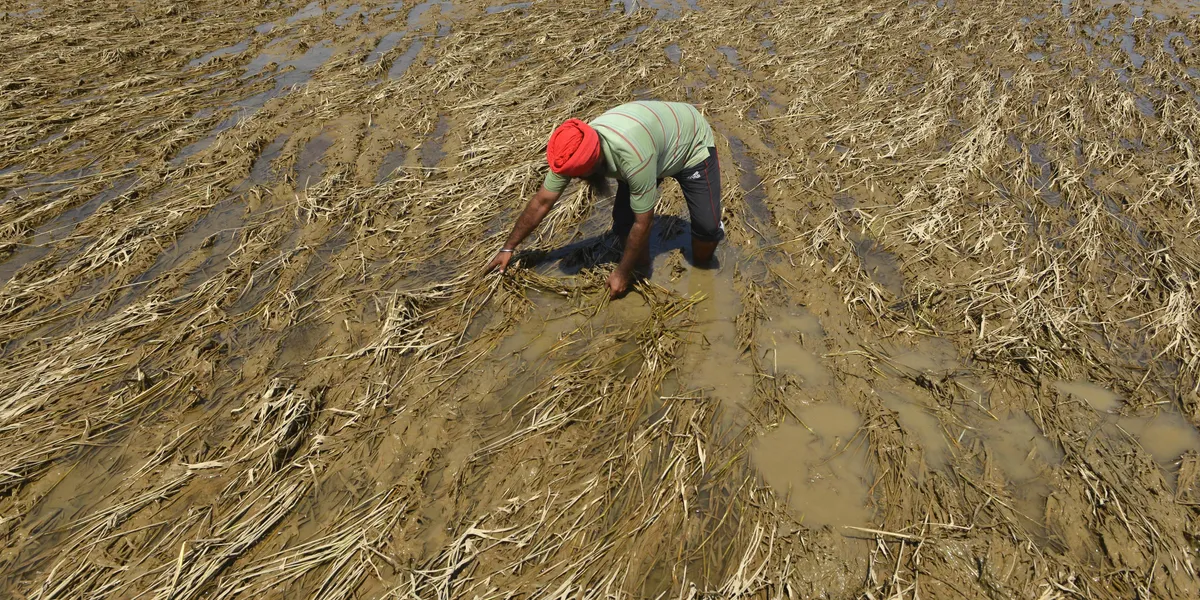
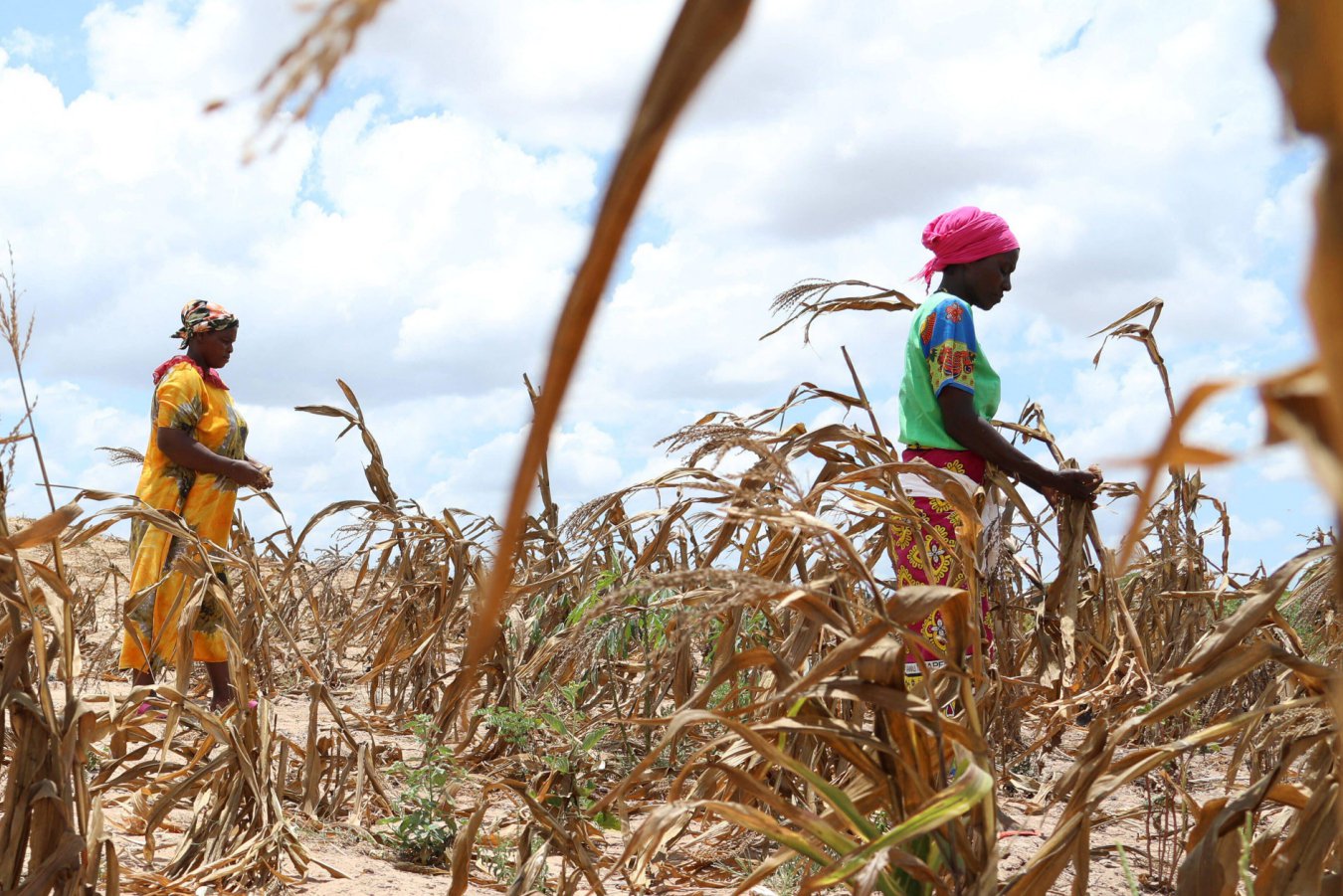
Climate change is already taking a toll on the global food system. Droughts, high heat, and flooding all make food production much more difficult and costly. But now, there’s mounting evidence the crops are becoming less nutritious, too, due to the carbon dioxide pollution created by burning fossil fuels.
“When there's more carbon in the atmosphere, that's more ‘food’ for the for the plants to grow,” said Sarah Kaplan, climate reporter at The Washington Post. “But there's not a comparable increase in the other kinds of minerals, things like zinc and iron, phosphorus, calcium. These really important minerals in the soil that are not so important to the plants but are really important to the people who consume those plants.”
Kaplan and her colleague, graphics reporter Naema Ahmed, reported on the nutrition decline. According to their reporting, crop nutrition on average has dropped 3.2% since the 1980s.
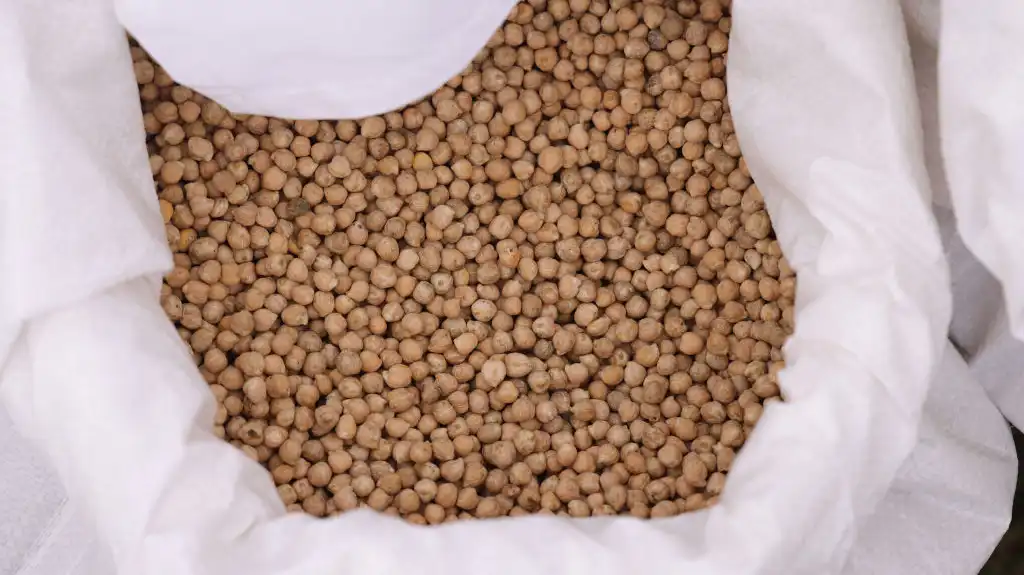
“Nutrient deficiency is a huge public health problem around the world,” said Kaplan. “Just a small decrease, particularly in staple crops like rice and wheat, can lead to huge consequences, particularly in low-income countries where a lot of people might get half of their calories from something like rice.”