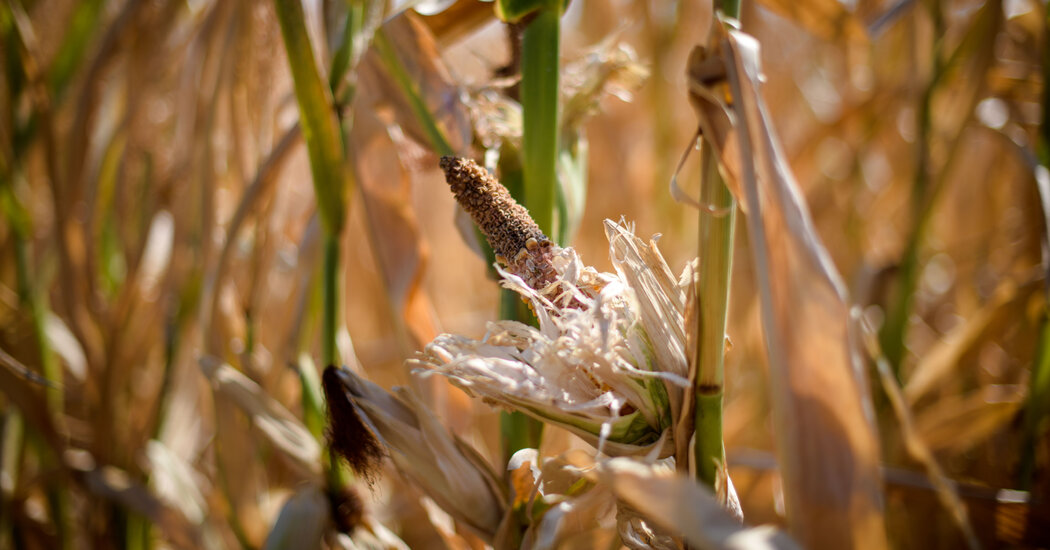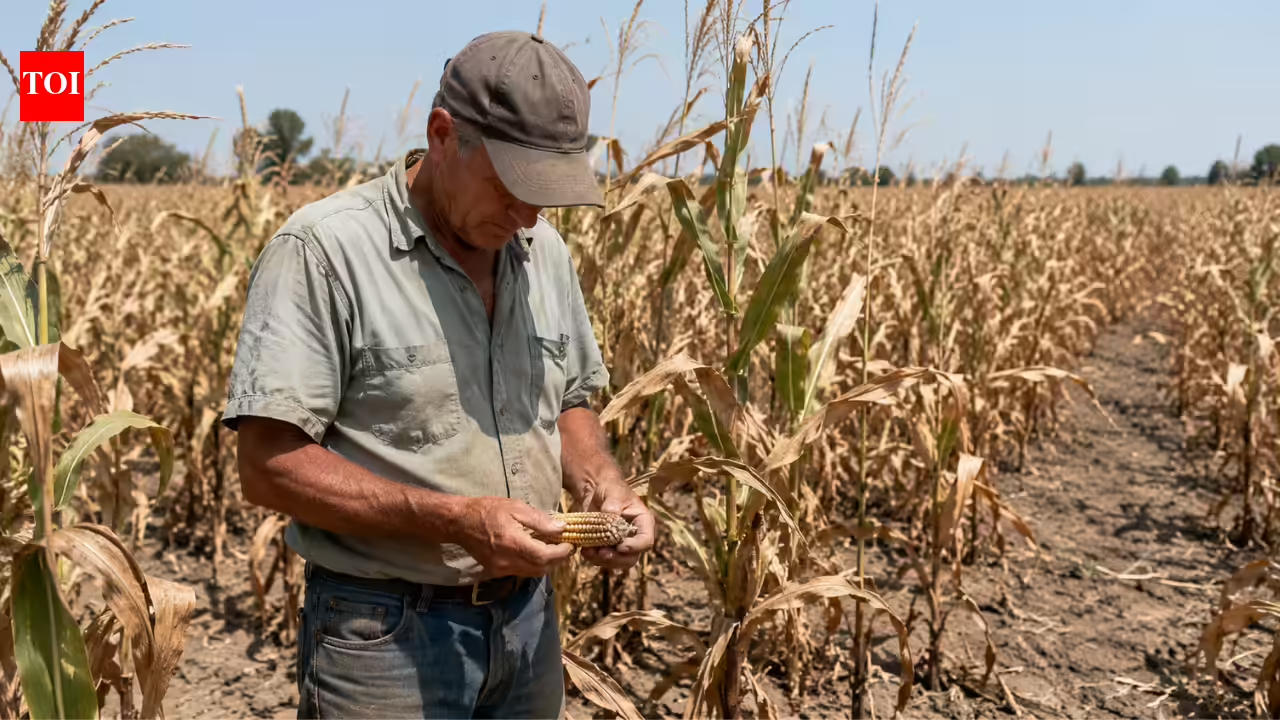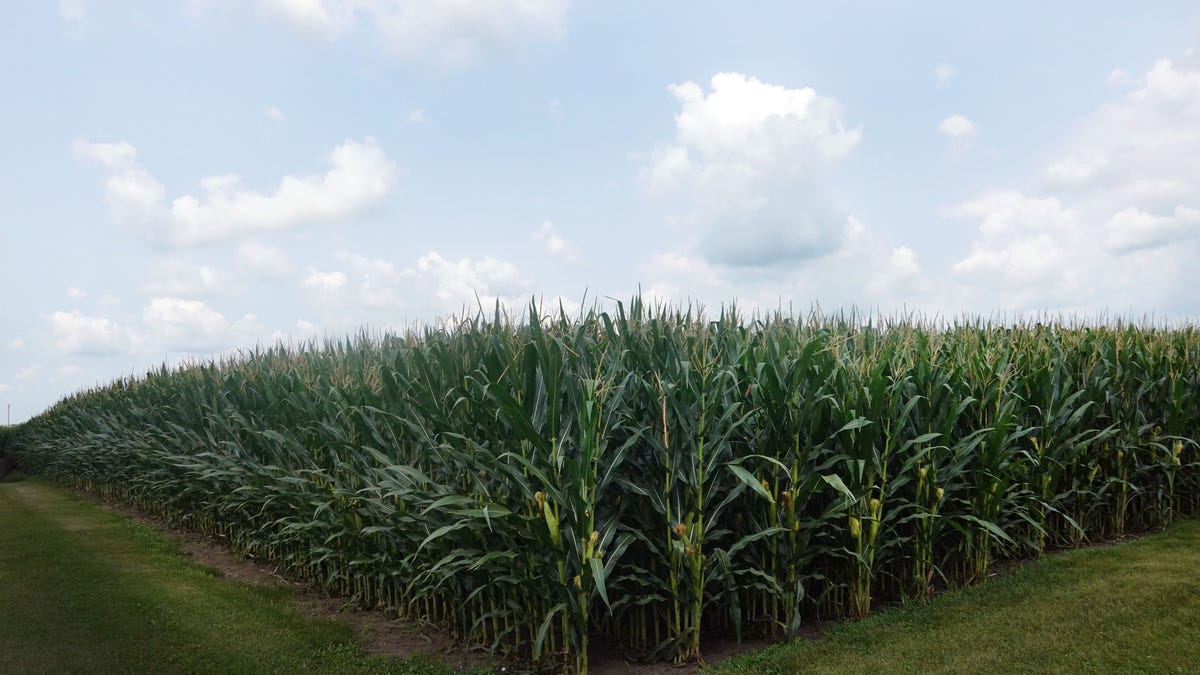
The planet's food system faces growing risks from climate change, a new study says. It's especially worrisome in the United States, where top crop production could drop by as much as 50% by 2100.
The study, published June 18, assessed six staple crops – maize (corn), soybeans, rice, wheat, cassava and sorghum – and found that only rice might avoid substantial losses from rising temperatures.
“If the climate warms by 3 degrees, that’s basically like everyone on the planet giving up breakfast," study co-author Solomon Hsiang of Stanford University said in a statement.
The projected losses for U.S. agriculture are especially steep, according to the study. “Places in the Midwest that are really well suited for present-day corn and soybean production just get hammered under a high warming future,” said lead study author Andrew Hultgren of the University of Illinois Urbana-Champaign. “You do start to wonder if the Corn Belt is going to be the Corn Belt in the future.”
Scientists estimated that for every 1.8-degree Fahrenheit increase in temperature above pre-industrial levels, production will decline by 120 calories per person per day, the equivalent of 4.4% of today's daily consumption.