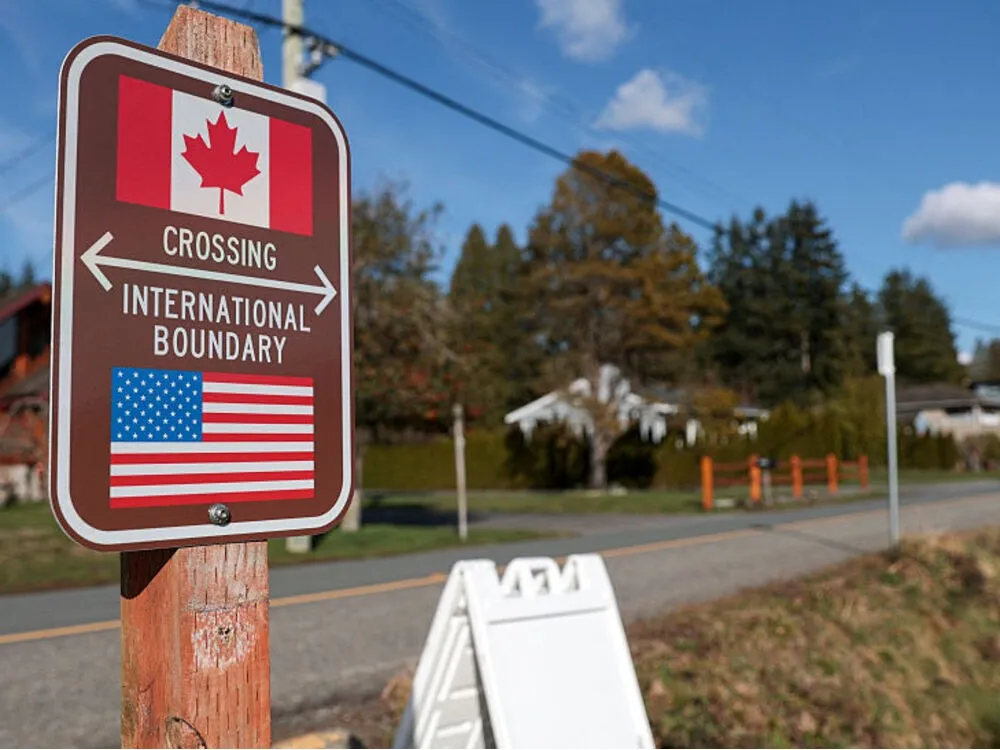
We talk to the Canadians reshaping their lives to boycott the United States. Plus, financial therapist Lindsay Bryan-Podvin on the psychological benefits of conscientious spending.
How far would you go to participate in a boycott? Cancel your concert tickets? Spend 25% more on groceries? What about refusing to visit your family? This week, Reema Khrais speaks to Canadians who are going to great lengths to boycott the United States, in response to President Trump’s repeated claims that he will make Canada the “51st state.”
Winnipeg bus driver Erica Ford has drawn a line in the sand, refusing to buy American-made products, which she estimates has increased her grocery bill by 25%. Her American-born husband is joining in the boycott. The pair are refusing to visit family in the U.S., forgoing the time with aging relatives and the possibility of inheriting a home. For Ford and her husband, the sacrifice is worthwhile: “We've had economic war declared on us. Our country's sovereignty has been threatened, and bombs are not flying. If they were, I'd probably have grenades, but I don't, I have my wallet.”
But of course, not everyone is willing to make such a dramatic life change for a boycott. Later in the show, Khrais speaks with financial therapist Lindsay Bryan-Podvin about how to practice “good enough” boycotting.