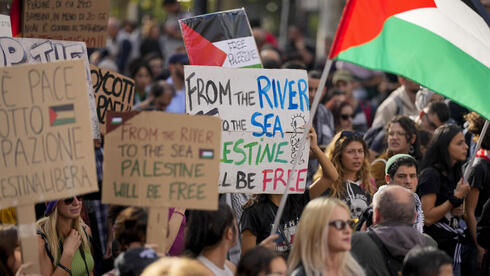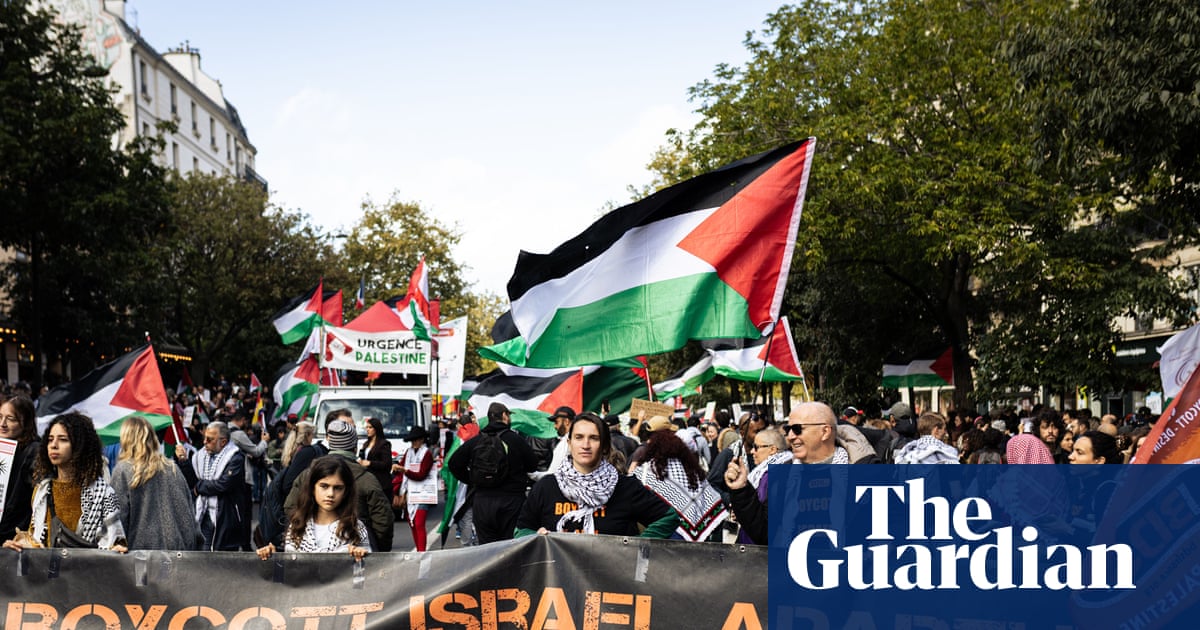
After decades of being dismissed as fringe, the boycott call has been taken up by leading figures across arts, sports and politics
F
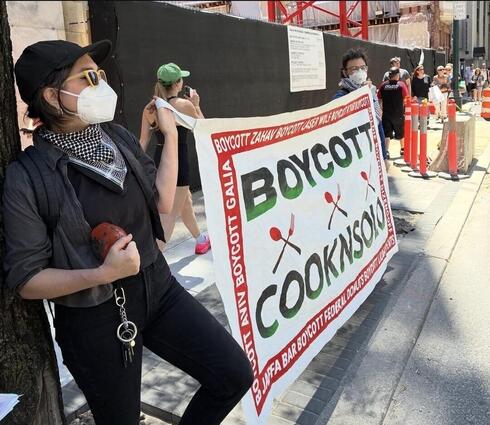
or more than a decade Shouk offered an Israeli-inspired, plant-based and kosher menu in and around Washington. Last week the chain was forced to close the last of five locations and lay off the last of 30 staff. It said the war in Gaza had made it impossible to do business; activists claimed the restaurant appropriated Palestinian food and imported Israeli products.
“It didn’t let up: boycotts, harassment, you name it,” recalled Dennis Friedman, 46, a Jewish American who co-founded Shouk with Ran Nussbacher, who is Israeli. “The ability to continue to operate wasn’t there. I feel terrible because Shouk wasn’t a political place; Shouk was a place for people to come together. To become a target and be mislabelled and thrown into things that aren’t true is unfortunate.”
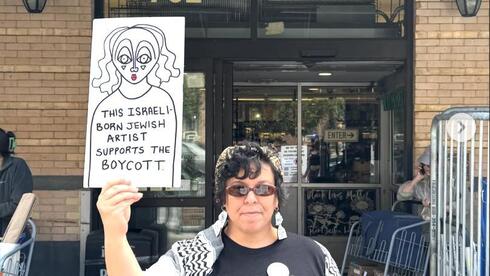
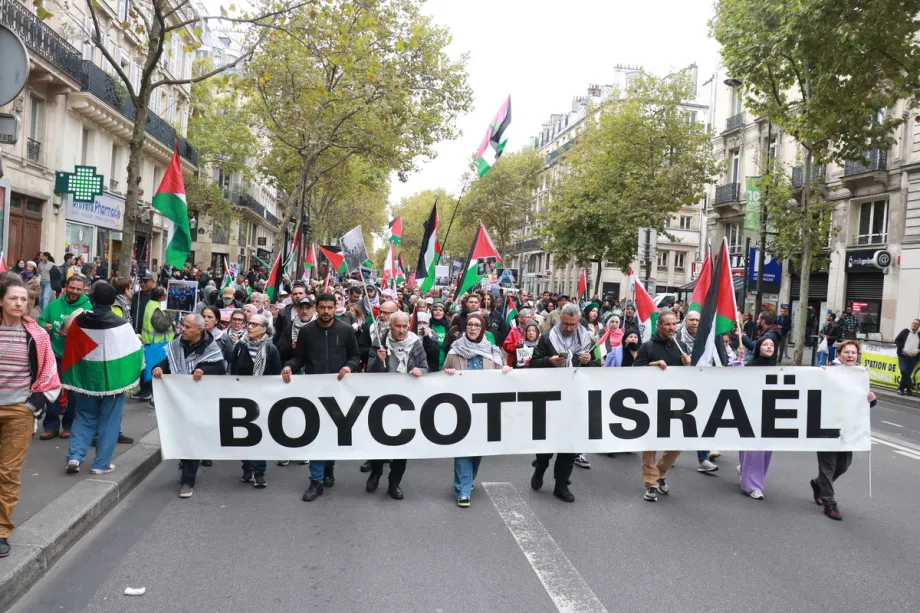
Shouk’s experience is not unique. Two years of humanitarian catastrophe in Gaza have fractured the consensus that once shielded Israel from significant international pressure. There are growing calls to shun Israeli and Israeli-adjacent businesses, ban the country from sporting and cultural events, and cut ties with its academic institutions. From stadiums to the high street, from concert halls to the political stage, the boycott movement is moving from the fringe to the mainstream.