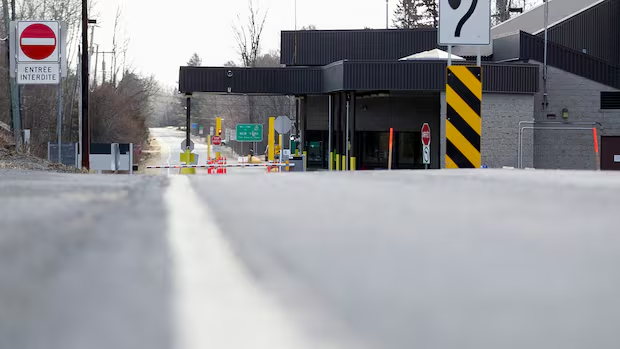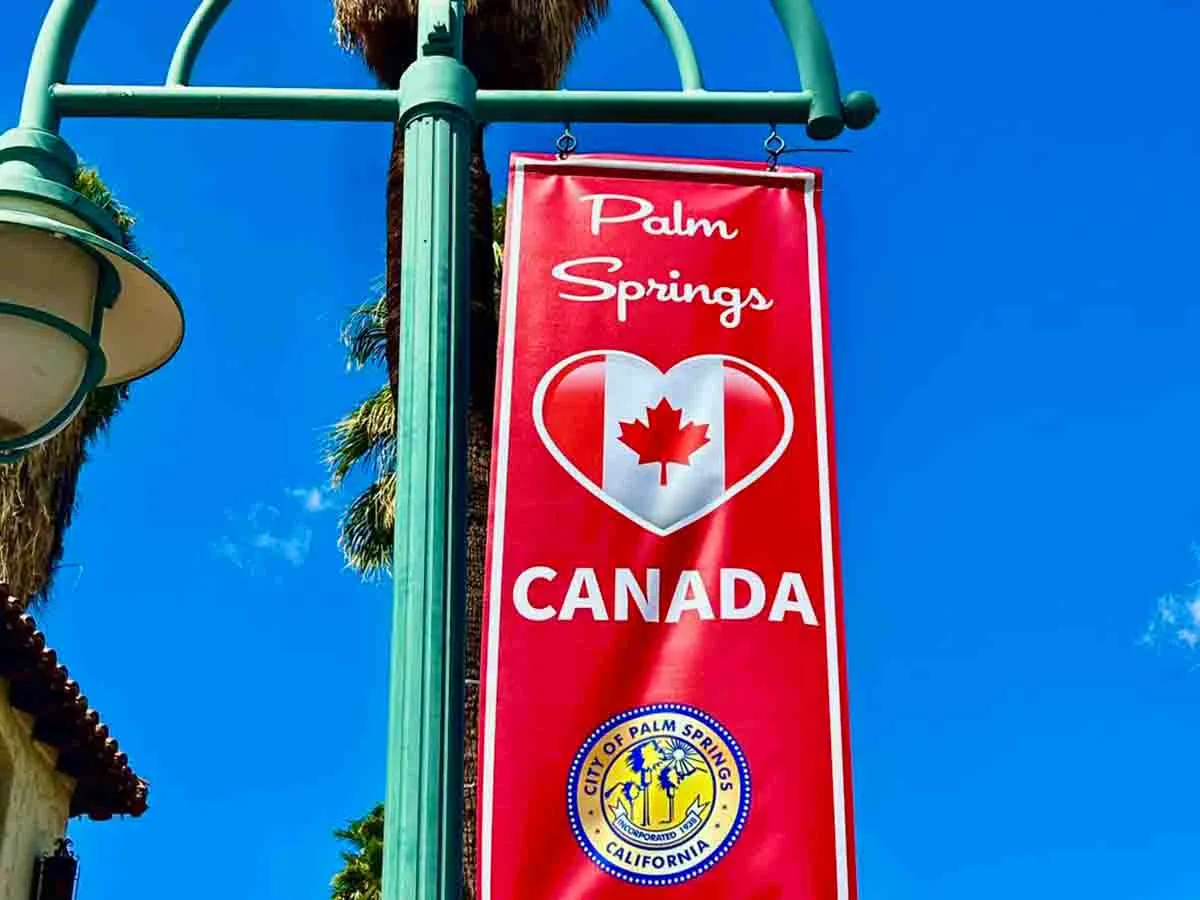
Skip to Content News Archives Economy Energy Oil & Gas Renewables Electric Vehicles Mining Commodities Agriculture Real Estate Mortgages Mortgage Rates Finance Banking Insurance Fintech Cryptocurrency Work Wealth Smart Money Wealth Management Investor Personal Finance Family Finance Retirement Taxes High Net Worth FP Comment Executive Women Puzzmo Newsletters Financial Times Business Essentials More Innovation Information Technology FP500 Podcasts Small Business Lives Told Tails Told Shopping Financial Post Store Obituaries Place a Notice Advertising Advertising With Us Advertising Solutions Postmedia Ad Manager Sponsorship Requests Classifieds Place a Classifieds ad Working Profile Settings My Subscriptions Saved Articles My Offers Newsletters Customer Service FAQ News Economy Energy Mining Real Estate Finance Work Wealth Investor FP Comment Executive Women Puzzmo Newsletters Financial Times Business Essentials HomeNewsPosthaste: Canadian travel to the U.S. rises for the first time since Trump 2.0. So is the boycott thawing?'There's only so many people who are going to boycott' You can save this article by registering for free here. Or sign-in if you have an account.In Palm Springs, Calif., the city started a campaign in 2025 to try to counter a Canadian boycott travel to the U.S. A new study from the University of Toronto estimated that travel to major American cities fell a median of 42 per cent. Photo by Handout /City of Palm SpringsSubscribe now to read the latest news in your city and across Canada.Exclusive articles from Barbara Shecter, Joe O'Connor, Gabriel Friedman, and others.Daily content from Financial Times, the world's leading global business publication.Unlimited online access to read articles from Financial Post, National Post and 15 news sites across Canada with one account.National Post ePaper, an electronic replica of the print edition to view on any device, share and comment on.Daily puzzles, including the New York Times Crossword.Subscribe now to read the latest news in your city and across Canada.Exclusive articles from Barbara Shecter, Joe O'Connor, Gabriel Friedman and others.Daily content from Financial Times, the world's leading global business publication.Unlimited online access to read articles from Financial Post, National Post and 15 news sites across Canada with one account.National Post ePaper, an electronic replica of the print edition to view on any device, share and comment on.Daily puzzles, including the New York Times Crossword.Create an account or sign in to continue with your reading experience.Access articles from across Canada with one account.Share your thoughts and join the conversation in the comments.Enjoy additional articles per month.Get email updates from your favourite authors.Create an account or sign in to continue with your reading experience.Access articles from across Canada with one accountShare your thoughts and join the conversation in the commentsEnjoy additional articles per monthGet email updates from your favourite authorsSign In or Create an AccountorThe number of Canadians returning from travelling to the United States increased for the first time since Donald Trump was elected as president, possibly hinting that people’s hostility toward our neighbour could be thawing.The number of returnees rose 1.4 per cent in April from a year ago, fuelled by a 5.8 per cent increase by car, although return air trips fell 8.1 per cent, according to Statistics Canada on Monday. It was the first time cross-border trips increased since December 2024, the agency said.“Basically, what you’re finding is there’s a bit of an equilibrium happening,” Wayne Smith, director of the Institute for Hospitality and Tourism Research at Toronto Metropolitan University, said. “There’s only so many people who are going to boycott. You’re going to have some drop-off of the boycott over time.”Breaking business news, incisive views, must-reads and market signals. Weekdays by 9 a.m.By signing up you consent to receive the above newsletter from Postmedia Network Inc.A welcome email is on its way. If you don't see it, please check your junk folder.The next issue of Posthaste will soon be in your inbox.We encountered an issue signing you up. Please try againHe said traffic during the long Easter weekend was one reason for the increase in April.Still, it may still be a long time before the number of Canadians travelling to the U.S. returns to pre-Trump times, given that the number of automobile trips is still down by a third compared with two years ago.Furthermore, the pullback in Canadian travel to the U.S. might be worse than initially thought, according to a recent University of Toronto study that tracked cellphone data. It estimated Canadian travel to major U.S. cities fell by a year-over-year median of 42 per cent.The authors said Statistics Canada data hasn’t captured the full magnitude of the pullback since it misses people who cross the border for shorter stays in fewer locations.The U of T study dovetails with media reports of a drop in visitors to snowbird destinations such as Florida, to border states like New York, New Hampshire and Vermont and to major tourist destinations such as Las Vegas and Disney World.“However, one of the most underreported findings is the marked decline in visits to large metropolitan economies,” authors Karen Chapple, Yihoi Jung and Jeff Allen said in the report.Tourist and business travel has fallen in tech centres such as San Francisco and Houston, they said. The second-largest decline was recorded in Grand Rapids, Mich., likely a victim of the tariffs since the area is closely tied to Ontario’s automotive industry.But the U.S. loss is Canada’s gain.Nearly nine in 10 Canadians plan to travel as much or more in 2026, with 92 per cent of them having one trip in Canada on the agenda while 70 per cent are avoiding the U.S., according to a new survey by the Business Development Bank of Canada (BDC).“Domestic demand is no longer a side story,” the report said.It said that if travelling Canadians replaced one overnight stay abroad with one in their home country, that could boost gross domestic product by $4.6 billion.Still, people are making compromises to adjust for tighter budgets, including choosing more affordable accommodations, adjusting travel dates, travelling during the off-season and making shorter trips.“Despite a cautious economic backdrop, the outlook for Canada’s tourism sector remains positive in 2026,” the BDC report said. “Slower growth, elevated uncertainty and higher energy costs are expected to keep travellers focused on value for money.”Smith said that is a good thing since international travellers to Canada are suffering airline fare sticker shock.“Airline prices have gotten so expensive that it’s becoming price-prohibitive,” he said. “And we had a lot of Europeans and Asians really interested in Canada last year. The price differential is going to make a big difference to them.” Sign up here to get Posthaste delivered straight to your inbox.Toronto-based Agnico Eagle Mines Ltd. is making one of the largest mining investments by a Canadian company in the country’s history by investing $14 billion in its portfolio of Ontario gold mines, according to the province’s Ministry of Energy and Mines.Agnico, the world’s second-largest gold producer, plans to invest $12 billion by 2030 across its Ontario portfolio, which includes mines and exploration assets, according to a press release, and $2 billion into its Detour Lake underground mine project and its Upper Beaver copper-gold project. — Gabriel Friedman, Financial PostRead the full story here.Related story: Equinox Gold agrees to buy Orla Mining in $5.1 billion deal10:00 a.m.: Prime Minister Mark Carney announces a new energy agenda on Parliament HillToday’s data: Canada existing home sales and wholesale sales excluding petroleum, U.S. import and export price indexes, continuing and initial jobless claimsEarnings: AtkinsRealis Group Inc., Keyera Corp., Discovery Silver Corp., Canada Goose Holdings Inc., Brookfield Corp., Intefor Corp., Boralex Inc., H&R REIT, Electrovaya Inc.Home prices continue to fall or remain flat in major centres across Canada, a potential predicament for those counting on their homes to help fund their retirement.Long-time homeowners have seen huge appreciation in their property nest eggs, but the drop in real estate values over the past two years may push some to reconsider their retirement plans. Find out more.Interested in energy? The subscriber-only FP West: Energy Insider newsletter brings you exclusive reporting and in-depth analysis on one of the country’s most important sectors. Sign up here.Are you worried about having enough for retirement? Do you need to adjust your portfolio? Are you starting out or making a change and wondering how to build wealth? Are you trying to make ends meet? Drop us a line at wealth@postmedia.com with your contact info and the gist of your problem and we’ll find some experts to help you out while writing a Family Finance story about it (we’ll keep your name out of it, of course).Want to learn more about mortgages? Mortgage strategist Robert McLister’s Financial Post column can help navigate the complex sector, from the latest trends to financing opportunities you won’t want to miss. Plus check his mortgage rate page for Canada’s lowest national mortgage rates, updated daily.Visit the Financial Post’s YouTube channel for interviews with Canada’s leading experts in business, economics, housing, the energy sector and more.Today’s Posthaste was written by Gigi Suhanic with additional reporting from Financial Post staff and Bloomberg.Have a story idea, pitch, embargoed report, or a suggestion for this newsletter? Email us at posthaste@postmedia.com.Bookmark our website and support our journalism: Don’t miss the business news you need to know — add financialpost.com to your bookmarks and sign up for our newsletters here Join the Conversation This website uses cookies to personalize your content (including ads), and allows us to analyze our traffic. Read more about cookies here. By continuing to use our site, you agree to our Terms of Use and Privacy Policy.
Posthaste: Canadian travel to the U.S. rises for the first time since Trump 2.0. So is the boycott thawing?
The number of Canadians travelling to the U.S. rose for the first time since Trump was elected, but there's still a long way to go. Read on.
1,574 words~7 min read