As more lawmakers than usual leave Congress, it begs the question — is this a one-off spike or a larger sign of things to come?
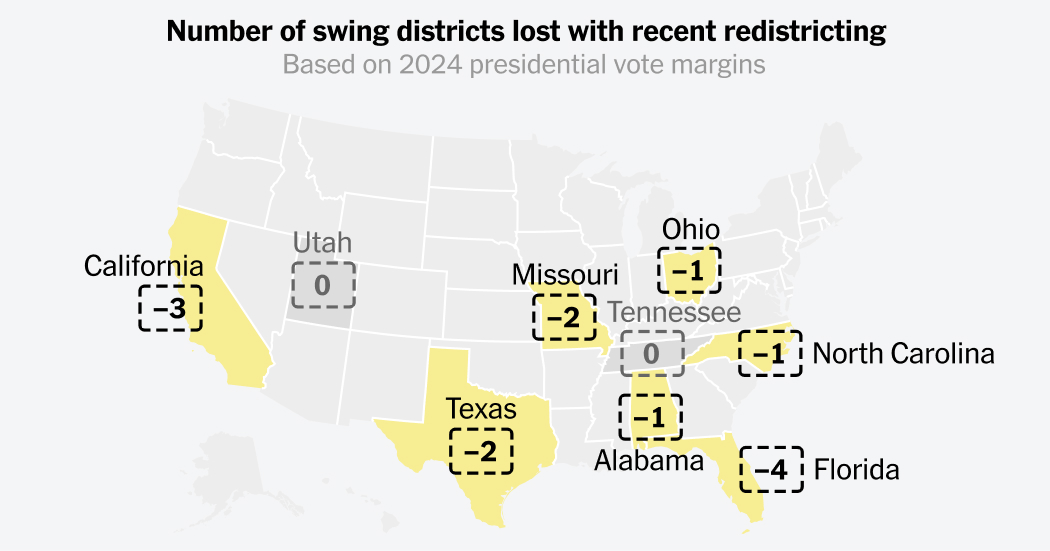
Retirement announcements are a feature of any election year, but this goes beyond normal turnover, experts say. Bitterly partisan redistricting pushes around the country have created a state of constant uncertainty that only adds to the political polarization and low legislative productivity that’s plagued Capitol Hill.
To date, 36 House Republicans and 20 Democrats have said they won’t return to the chamber next year — either because they are running for another office or are giving up public service altogether — representing the largest number of retirements since the 1992 cycle, according to Brookings. That count doesn’t include members who died, resigned or lost their primary.
In the Senate, 11 senators are leaving the chamber, including seven Republicans and four Democrats.
The cohort represents a range of fresh-faced and seasoned lawmakers, but a few points stick out: most of them are Republican, and of the House Republicans, over 85 percent hail from safe red districts, according to a Roll Call analysis.