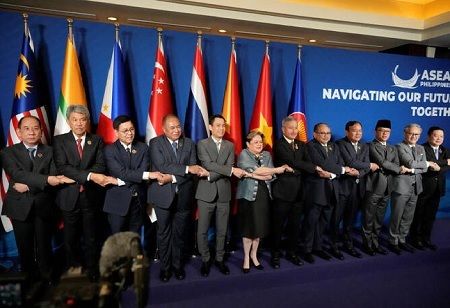
The Philippines’ 2026 ASEAN chairship — guided by the theme ‘Navigating Our Future, Together’ — comes as Southeast Asia faces compounding novel risks. To combat these interacting risks and build sustainable prosperity, the Philippines should use the ASEAN Finance Track to equip central banks and financial supervisors with the tools they need to support welfare and manage emerging crises.
The global oil and gas supply disruption from the Iran war has evolved into an energy and fertiliser supply crisis, adding to cost-of-living pressures. Flash floods in several ASEAN countries throughout 2025 and 2026 have destroyed crops, disrupted logistics and forced emergency fiscal responses. These events are tightening fiscal space and straining limited public resources.
The overlapping crises are signs of a pattern that will intensify. Floods damage crops and infrastructure, pushing up food prices. Energy disruptions raise input costs across entire economies. Together, these shocks feed inflation while weakening banks’ and insurers’ balance sheets. What were once separate risks are becoming a single, reinforcing dynamic — with direct implications for financial stability and prosperity.
Inflation volatility and financial instability driven increasingly by supply-side shocks, including climate and energy crises, undermine central banks’ core objectives. Central banks and financial supervisors will need to act, but effective action will require instruments suited to these risks.