By providing an email address. I agree to the Terms of Use and acknowledge that I have read the Privacy Policy.
(First of two parts)
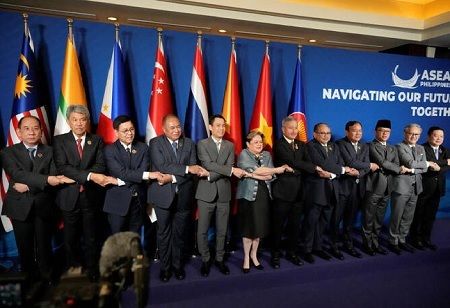
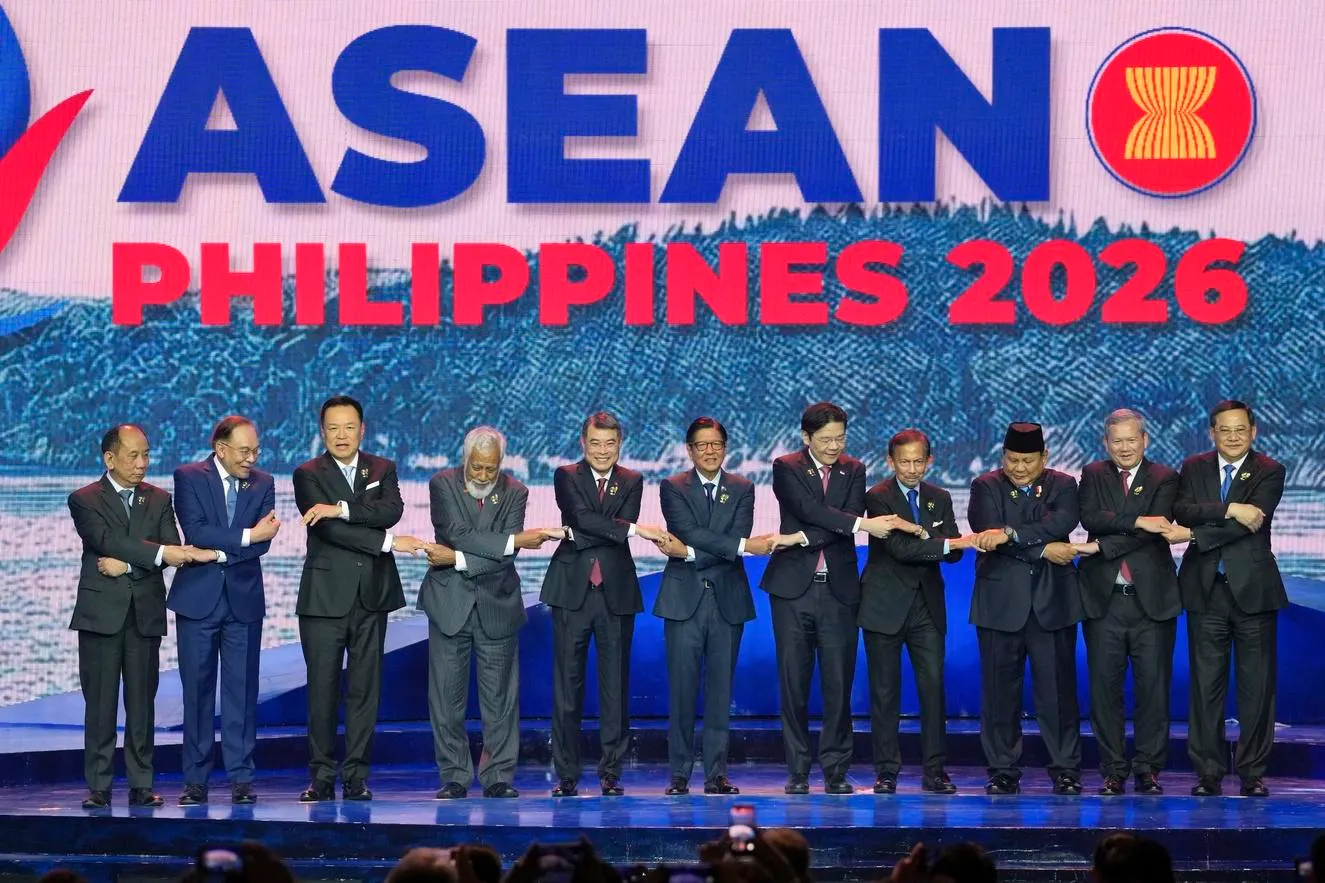
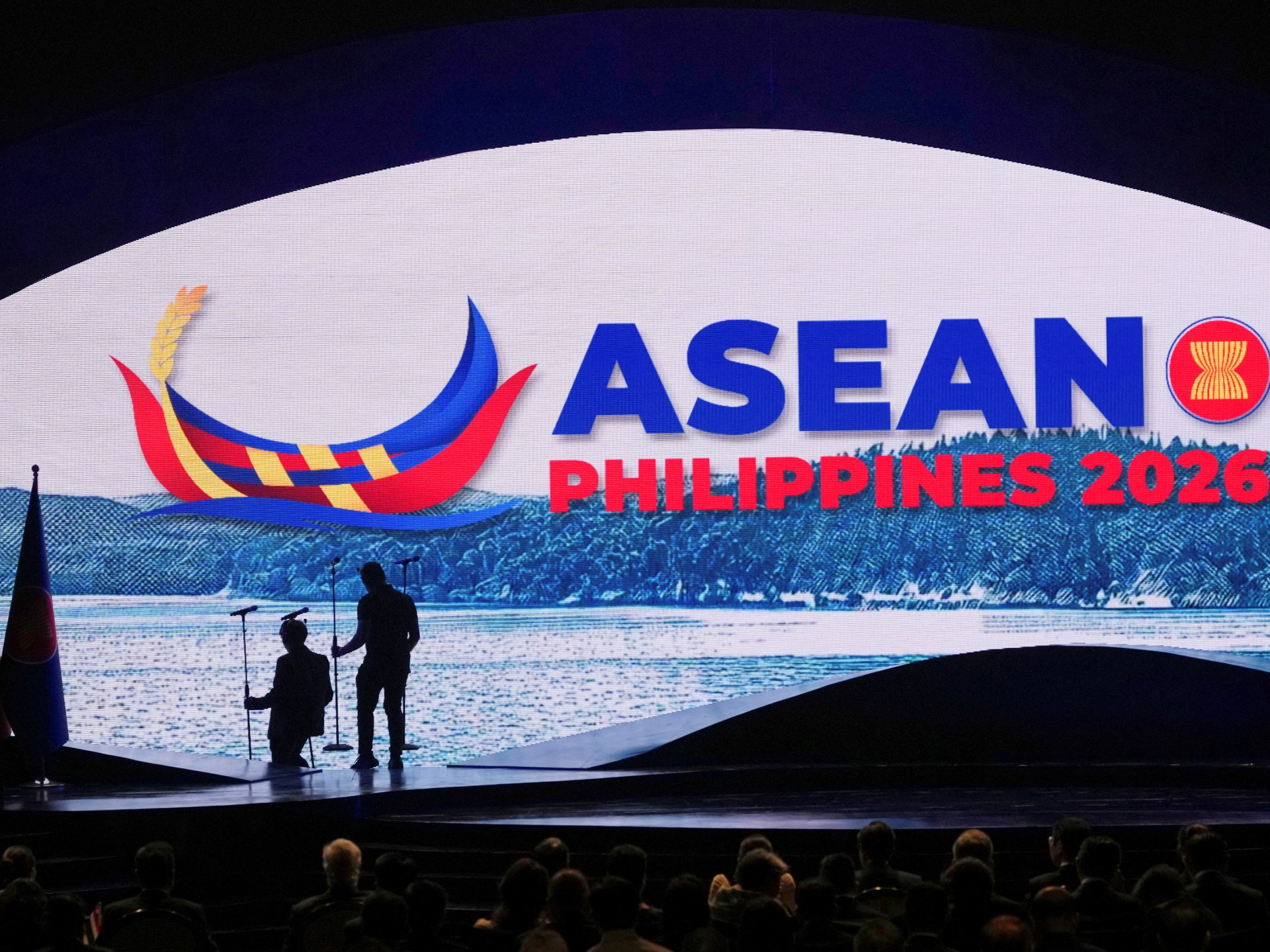
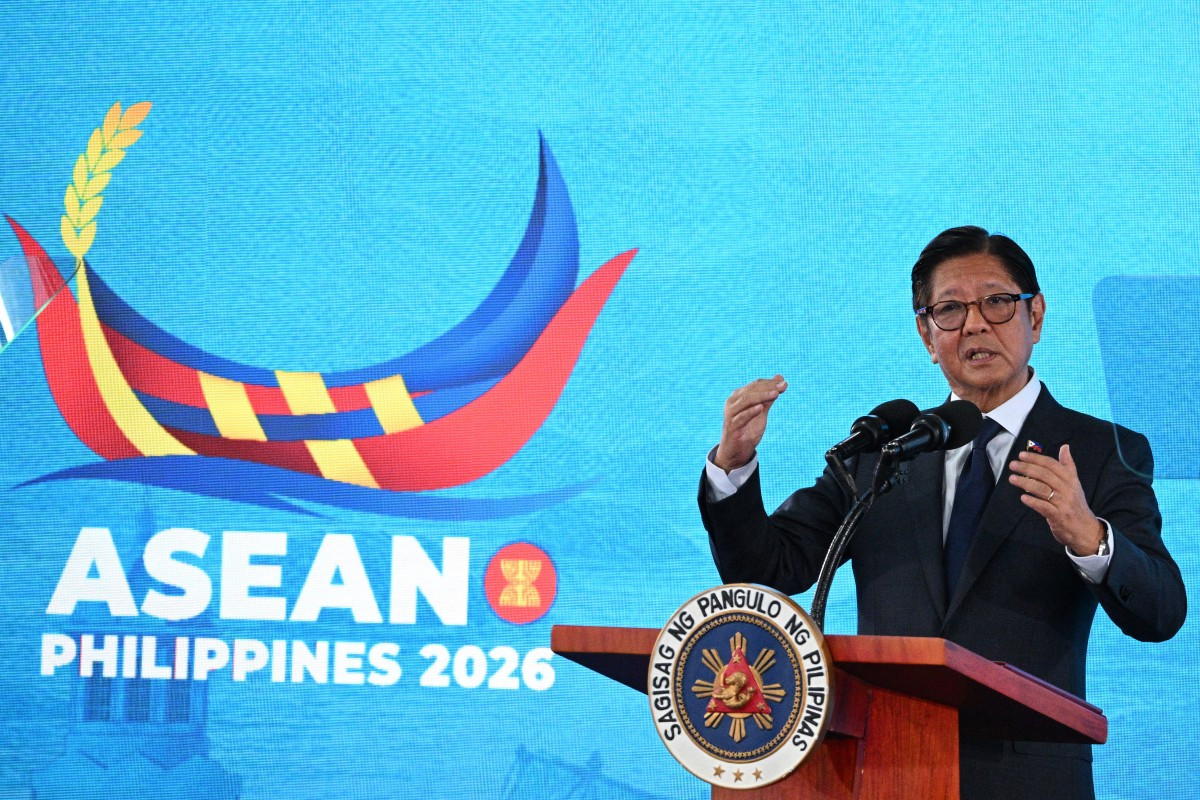
As the Philippines hosts the Association of Southeast Asian Nations (Asean) meetings in 2026, the region faces a world where energy can once again be weaponized, shipping lanes disrupted and prices pushed far beyond what households and businesses can withstand.
Europe experienced these challenges decades ago. Its journey from the oil shocks of the 1970s to the 1990s offers four hard-won lessons—on diversification, strategic reserves, policy coordination and central banking—that Asean, European Union’s dialogue partner, can adapt to meet the unique demands of the 21st century.
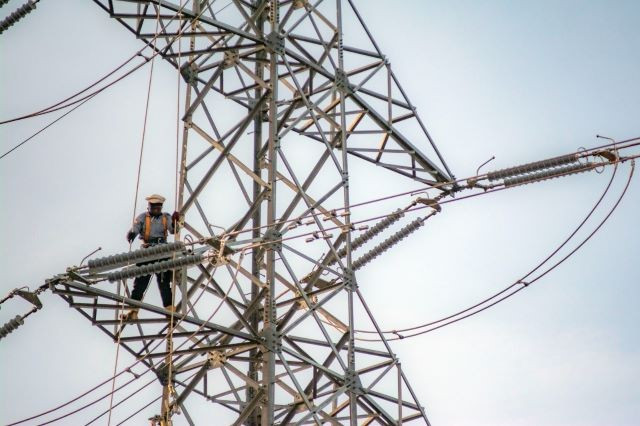
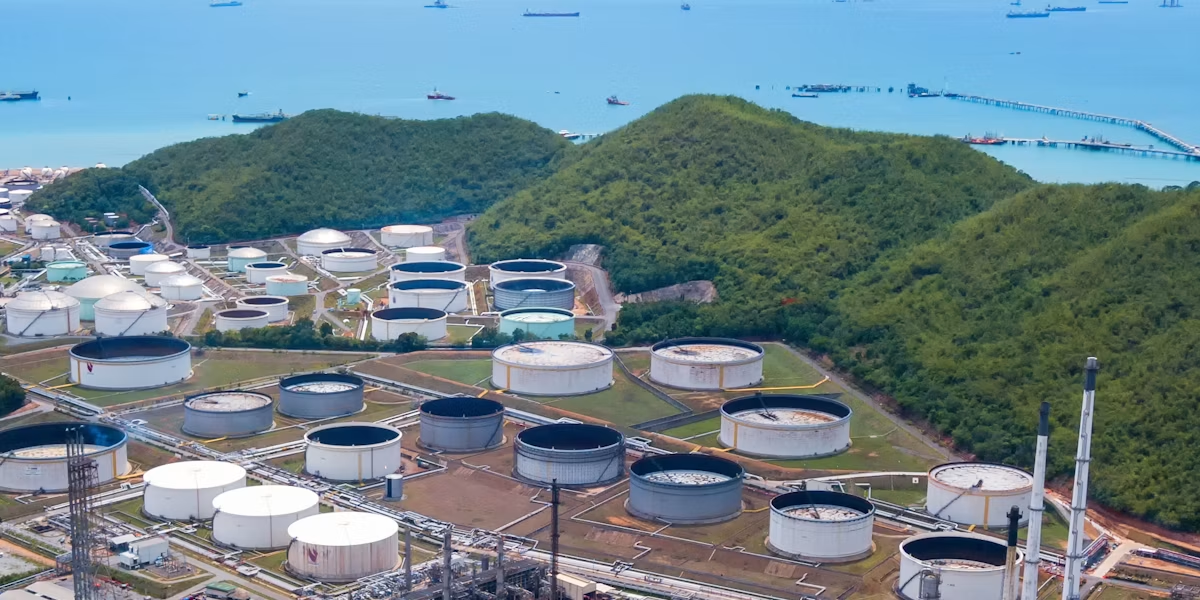
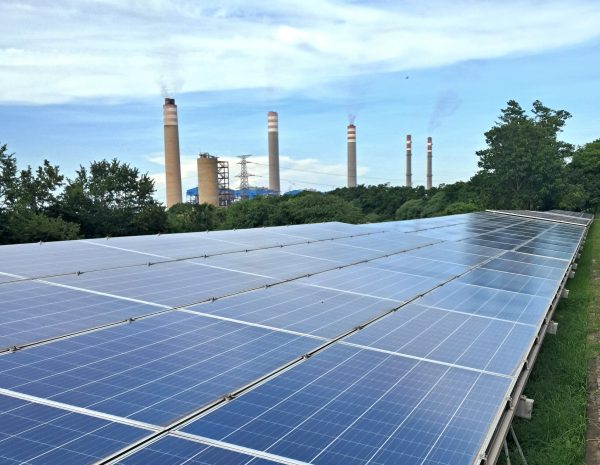
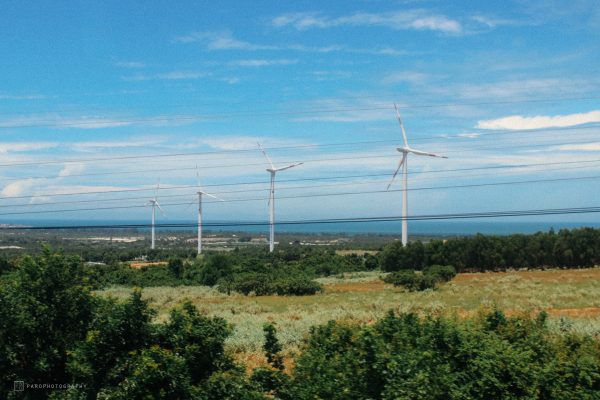
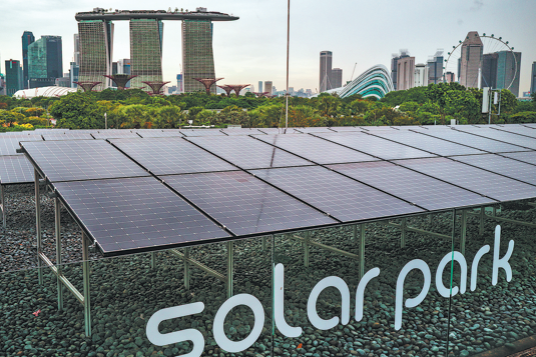
Europe’s initial problem in the 1970s was a heavy reliance on a single supplier for oil, the Middle East. Only after enduring two major energy crises did it take decisive steps to diversify through North Sea production, nuclear power, coal and later, gas pipelines from multiple sources. It also broadened its technologies and suppliers.