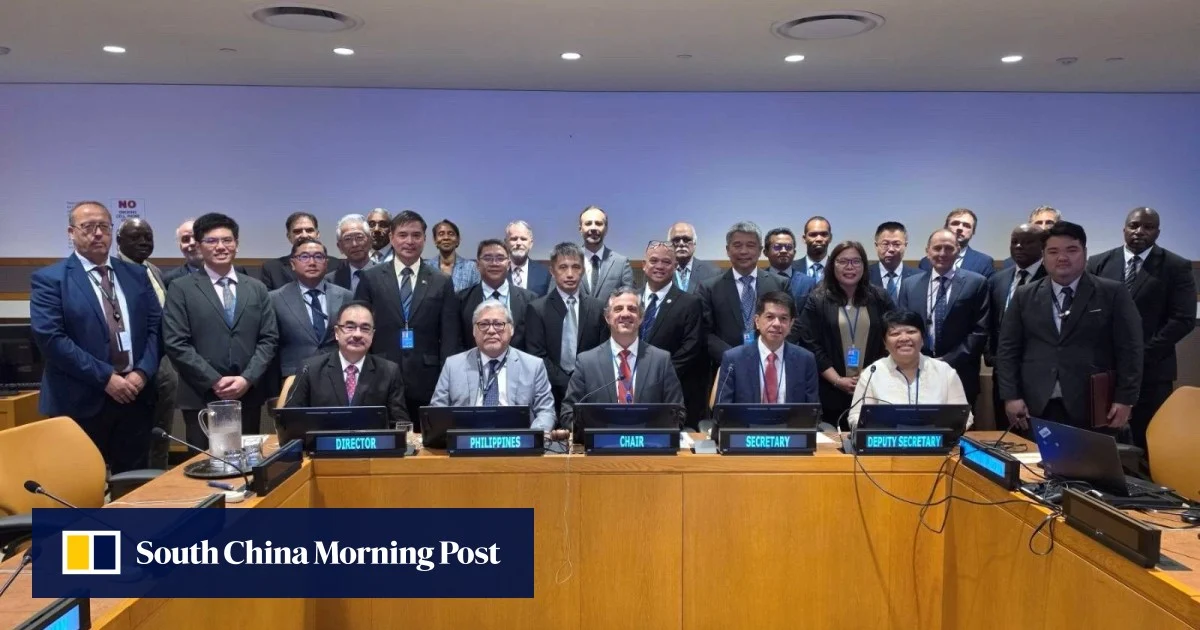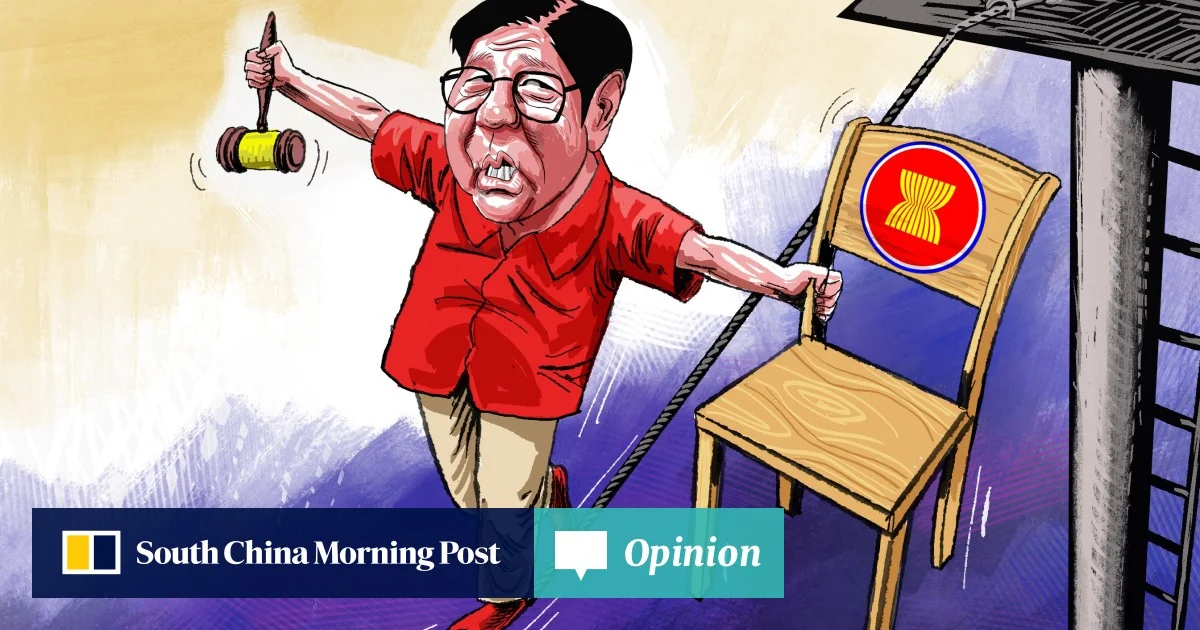
Jan. 8 (UPI) -- As the Philippines takes over the rotating Association of Southeast Asian Nations chair in 2026, it will do so at a moment of sharpened maritime tension and narrowing diplomatic patience in the South China Sea.
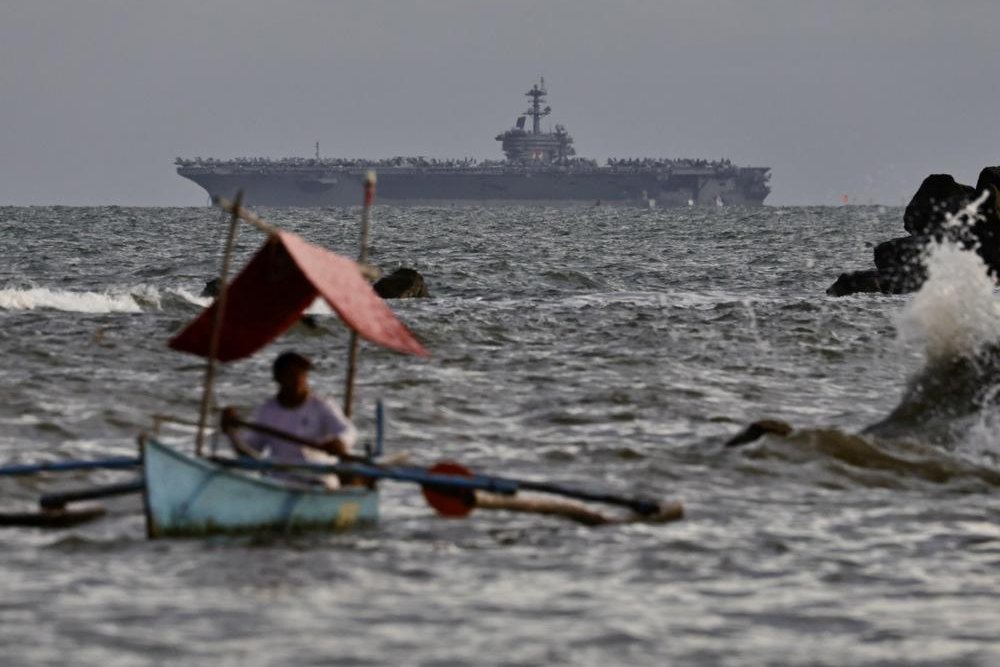
Manila has made clear it intends to prioritize two parallel initiatives that reflect the region's evolving reality: renewed efforts to finalize a legally binding code of conduct with China and a dramatic expansion of U.S.-Philippines military cooperation, with more than 500 joint activities planned for the year.
Taken together, the dual-track strategy underscores how Southeast Asia's maritime order is being reshaped. Diplomacy remains essential, but it is increasingly paired with deterrence and preparedness, reflecting a regional judgment that rules alone are insufficient without the capacity to defend them.
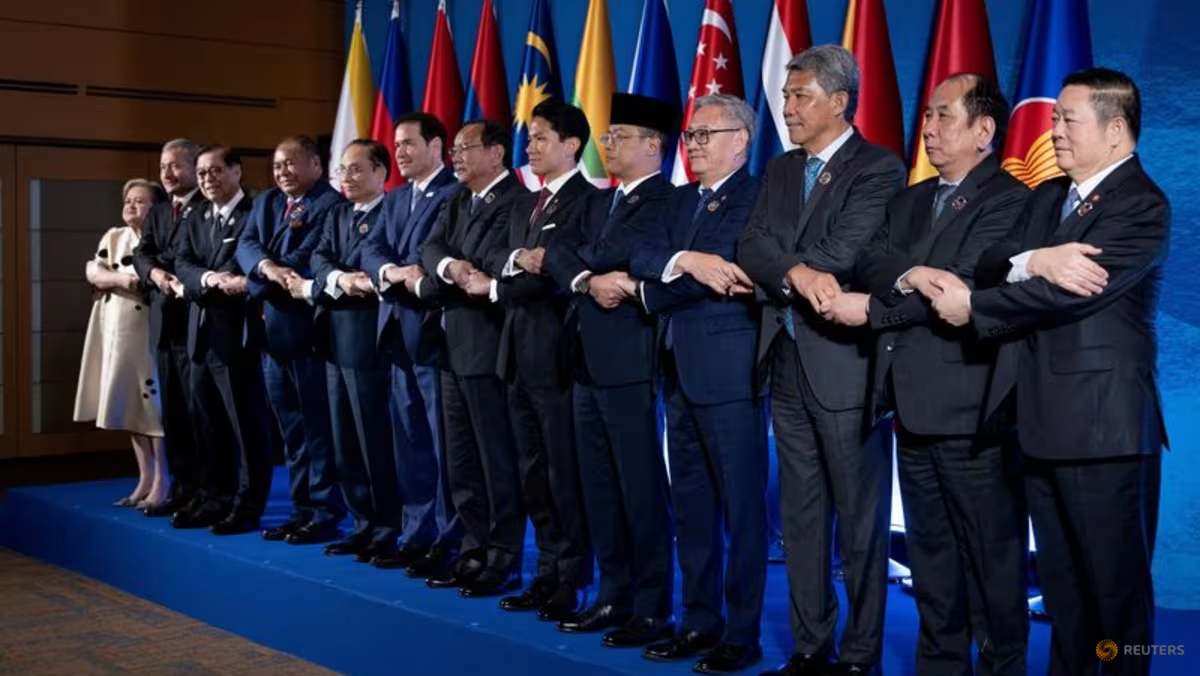
The Philippines is moving to fast-track a binding code of conduct after decades of inconclusive talks, using its ASEAN chairmanship to push for enforceable rules rather than voluntary guidelines.
"The Philippines will push for a binding COC at the same time continue to strengthen defense ties with the United States, as well as other partners like Japan, Australia and others," said Lucio Pitlo III, a foreign affairs and security analyst at Asia-Pacific Pathways for Progress Foundation.