Read The Diplomat, Know The Asia-Pacific
“Access now depends on where you stand with Tehran, whether you are willing to comply with its rerouting demands, and whether you have quietly negotiated your place in the new order.”
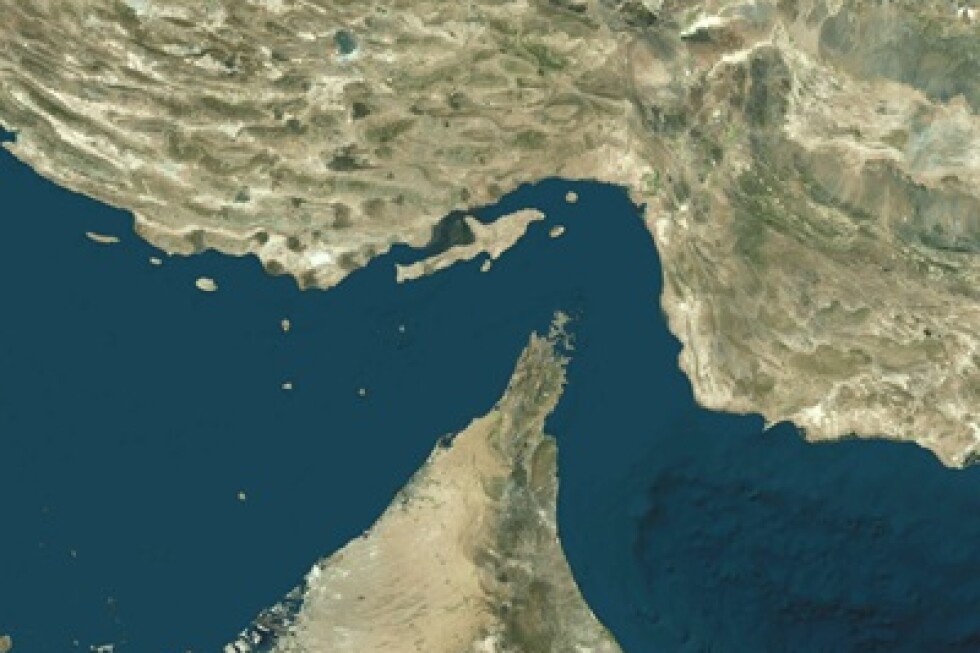
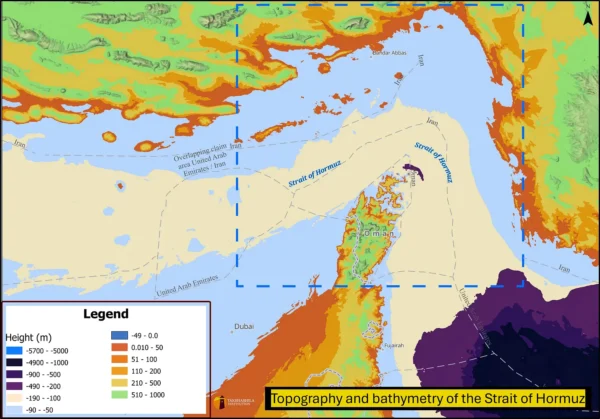
Topography (elevation above land surface) & bathymetry (depth below water surface) around the Strait of Hormuz.
Soon after the United States and Israel launched air and missile strikes on Iran on February 28, Iran hit back by not only targeting Israel and U.S. allies in the Gulf with missiles and drones but also by blockading the Strait of Hormuz through unconventional means. In recent weeks, the U.S. has blocked ships from entering or leaving Iranian ports through a conventional blockade. As a result, the center of gravity of Gulf War 3.0 appears to have shifted from Iran to the Strait of Hormuz.
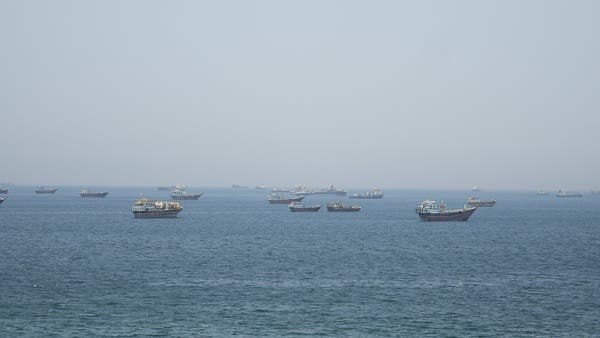
The Hormuz crisis has hit Asian economies the hardest. While some tankers have been hit as they attempted to cross the strategic waterway, others have managed to pass through without incident. Hundreds of ships are said to be sitting idle in nearby ports.