Read The Diplomat, Know The Asia-Pacific
For many small island states, the abstract concept of a “polycrisis” has become a dangerously tangible threat.
This week, over 50 countries are joining forces to move the needle on what is proving to be one of the world’s most urgent needs: to overcome dependence on fossil fuels. As decision-makers gather in Santa Marta, Colombia for the First Conference on Transitioning Away from Fossil Fuels, history will remember the legacy of Small Island Developing States in demanding the “impossible” and bringing global climate cooperation to this moment.
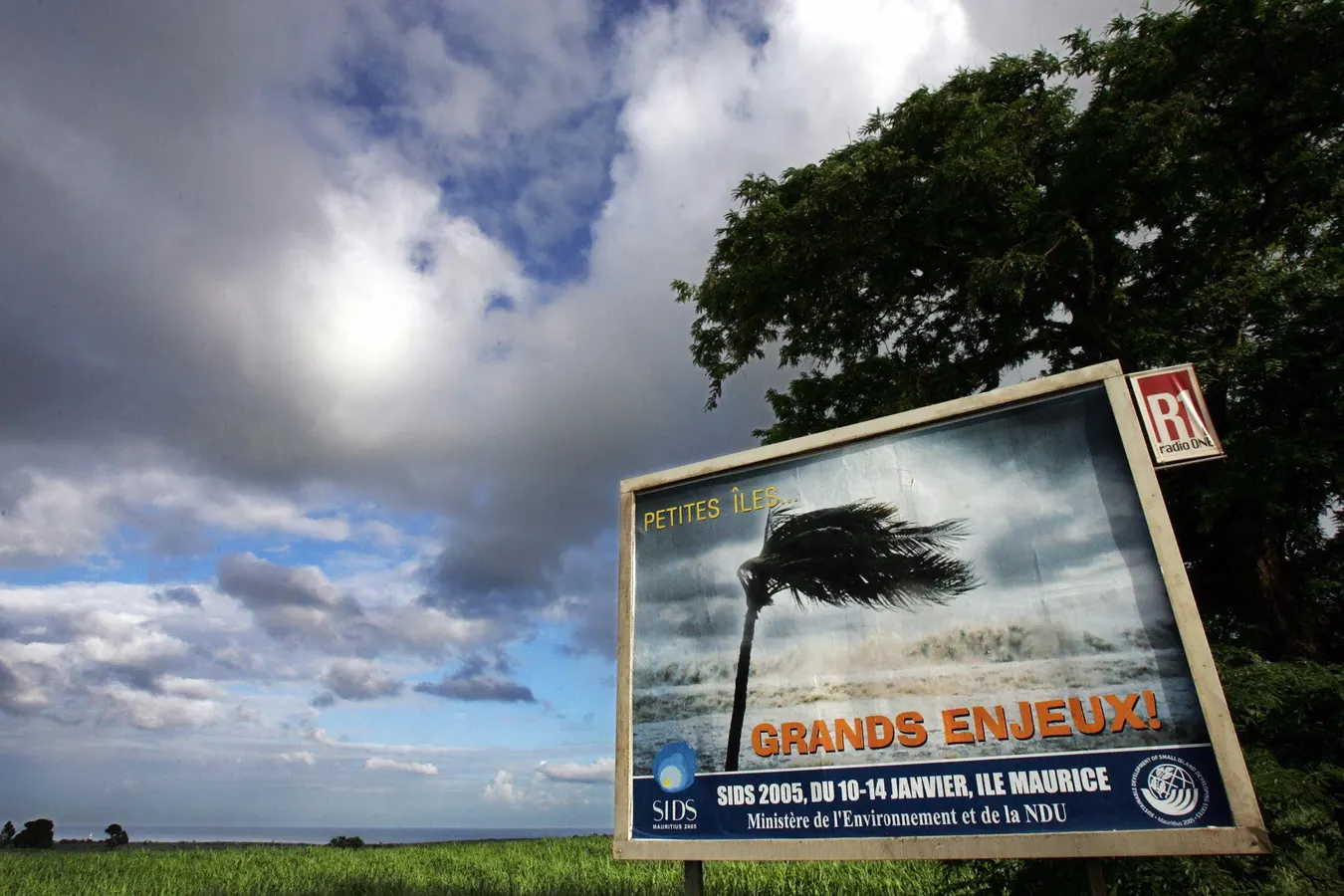
From the overhaul of global climate finance infrastructure in the Bridgetown Initiative, to the historic Advisory Opinion from the International Court of Justice, oceanic regions like the Caribbean and the Pacific have consistently pressed the international community to rise to a higher standard of climate action.
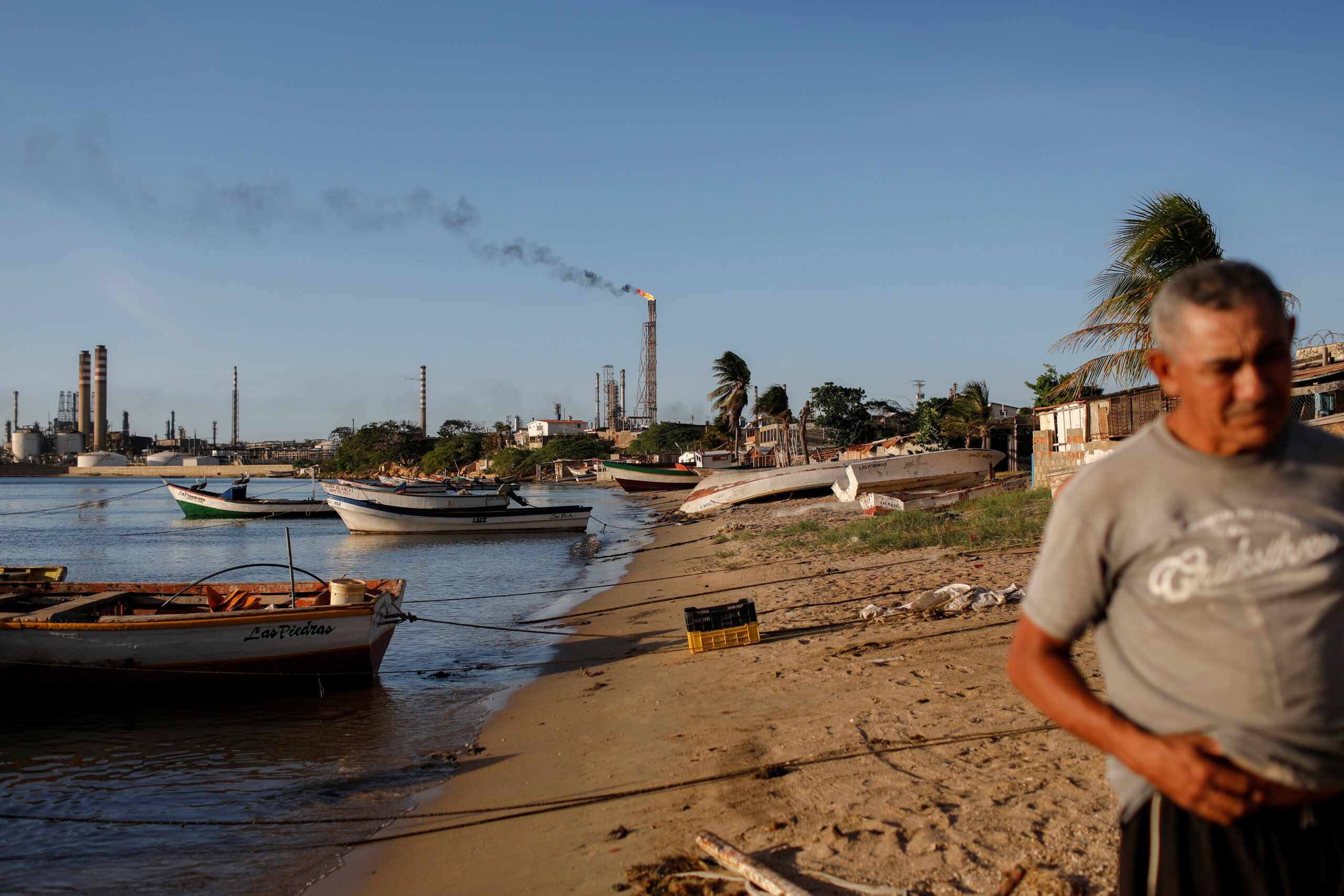
Behind these efforts is the very real fight for sovereignty and survival. For many small island states, the abstract concept of a “polycrisis” has become a dangerously tangible threat. Across oceans, these regions are currently caught in the crosshairs of three intersecting emergencies: a volatile fuel crisis driven by geopolitical conflict, a relentless climate crisis driven by fossil fuels, and a deepening affordability crisis. Together, these forces are draining trillions from household budgets and national coffers, forcing leaders to declare emergencies and everyday people to empty their pockets.