A previously undocumented Linux implant codenamed Quasar Linux RAT (QLNX) is targeting developers' systems to establish a silent foothold as well as facilitate a broad range of post-compromise functionality, such as credential harvesting, keylogging, file manipulation, clipboard monitoring, and network tunneling.
"QLNX targets developers and DevOps credentials across the software supply chain," Trend Micro researchers Aliakbar Zahravi and Ahmed Mohamed Ibrahim said in a technical analysis of the malware.
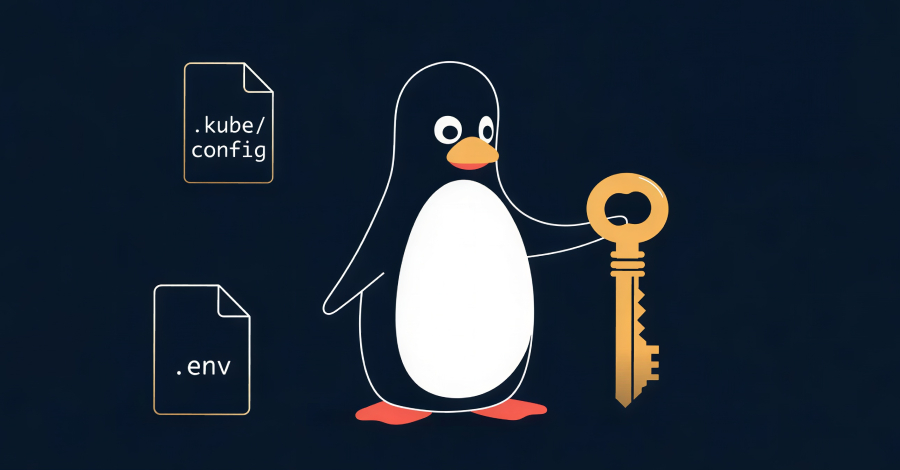
"Its credential harvester extracts secrets from high-value files such as .npmrc (npm tokens), .pypirc (PyPI credentials), .git-credentials, .aws/credentials, .kube/config, .docker/config.json, .vault-token, Terraform credentials, GitHub CLI tokens, and .env files. The compromise of these assets could allow the operator to push malicious packages to NPM or PyPI registries, access cloud infrastructure, or pivot through CI/CD pipelines."
The malware's ability to systematically harvest a wide range of credentials poses a severe risk to developer environments. A threat actor who successfully deploys QLNX against a package maintainer gains unauthorized access to their publishing pipeline, allowing the attacker to push poisoned versions that can lead to cascading downstream impacts.