Reading Time: 4 minutesAs the ongoing war in Iran has pushed energy prices worldwide to near historic highs, Latin American countries have adopted markedly different approaches to cope with the ensuing crisis. While major oil producers like Brazil, Guyana, and Argentina benefit from increased exports and tax revenues that help to offset the cost of fuel subsidies, importers such as Chile and countries in the Caribbean and Central America are feeling the fiscal pressure.
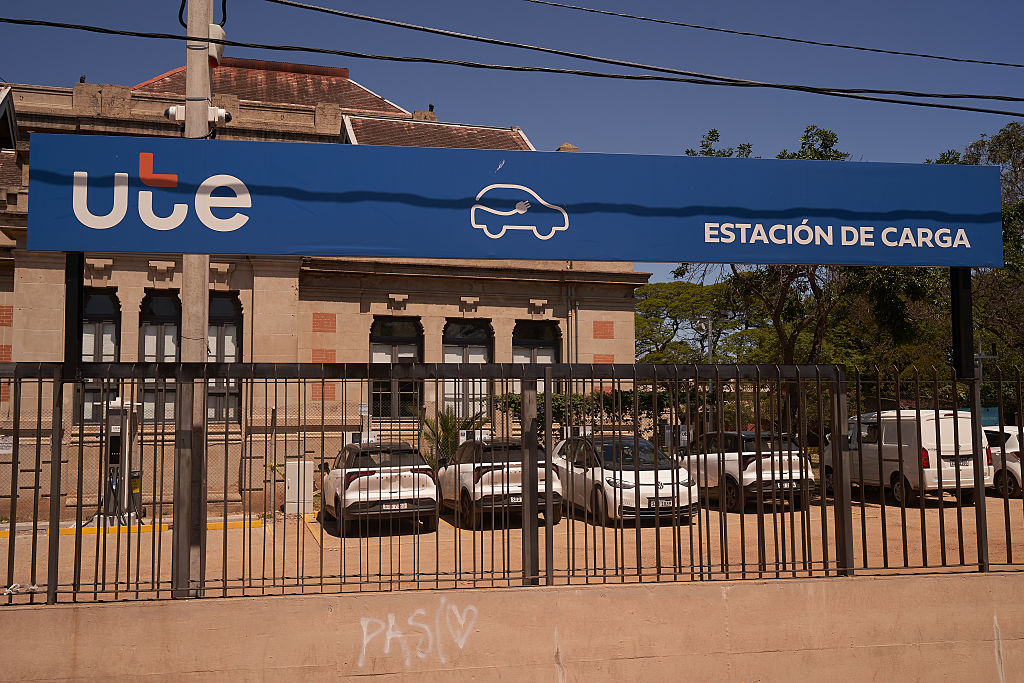
However, one net importer, Uruguay, is better placed to manage the current energy crisis than most. Over a decade of policies to encourage investment in renewable energy has weaned its power grid off reliance on fossil fuels. This is the result of years of forward-thinking by governments on both the left and the right—a rare phenomenon in Latin America. A recent boom in electric vehicle (EV) adoption has further helped limit the negative fallout from the Iran war on the economy.
The conflict is likely to create incentives for the current and future governments to double down on policies to make Uruguay as energy independent as possible. However, the shift toward renewable energy and EVs carries its own risks. The most important is the increased reliance on Chinese supply chains, which may provoke ire in the U.S. as it seeks hemispheric dominance.