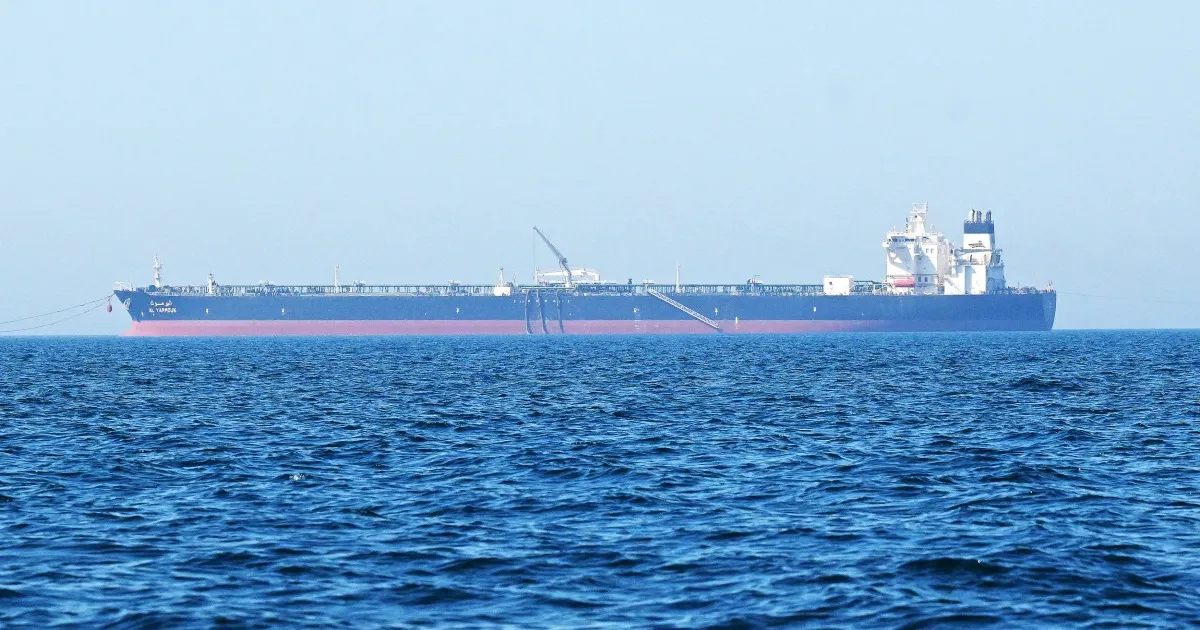
WASHINGTON—When Russia launched its full-scale invasion of Ukraine in February 2022, the ensuing disruption to global energy and commodity markets sent a shock through the global economy. This year, the Iran war has set off another energy shock that is rippling outward from the closure of the Strait of Hormuz, which typically carries around a fifth of the world’s oil and natural gas supply. As in 2022, Latin America and the Caribbean face a complex economic outlook as a result of the conflict. This edition of Economic Pulse of the Americas analyzes what past energy shocks and recent data reveal about how the Iran war could shape the region’s economic trajectory.
Scarce energy, higher prices, slower growth
Inflation expectations are already rising across the region. As the graph below shows, the International Monetary Fund’s April 2026 consumer price index projections point to higher inflation than its October forecast. This shift is not surprising. A similar pattern emerged after Russia invaded Ukraine in 2022. As the second graph below shows, actual inflation for Latin America and the Caribbean that year ended up being significantly higher for most countries compared to the pre-invasion projections from October 2021, reflecting a broader global pattern.