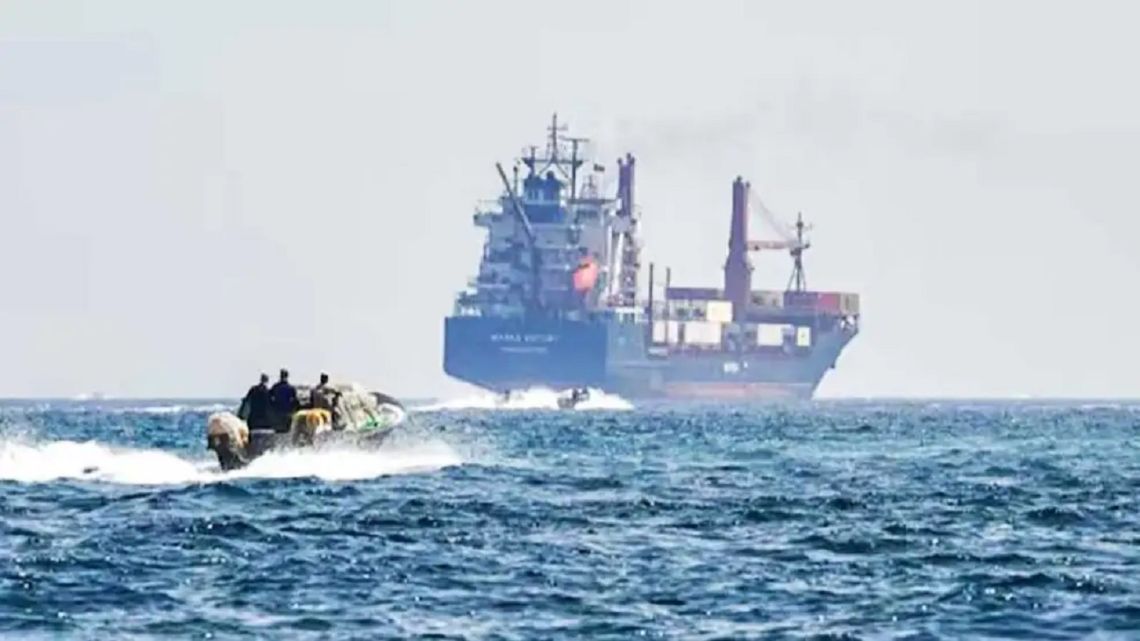
March 6 (UPI) -- The military escalation in the Middle East has shaken global energy markets and put Latin America on alert. The rise in oil prices opens an uncertain scenario if the conflict drags on, but it also generates expectations among the region's exporting countries.
In that context, Argentina is following the crisis with caution, but also with interest. A more expensive barrel of oil can translate into higher export revenues, which is important for an economy that seeks to increase foreign currency inflows and strengthen its fiscal accounts.
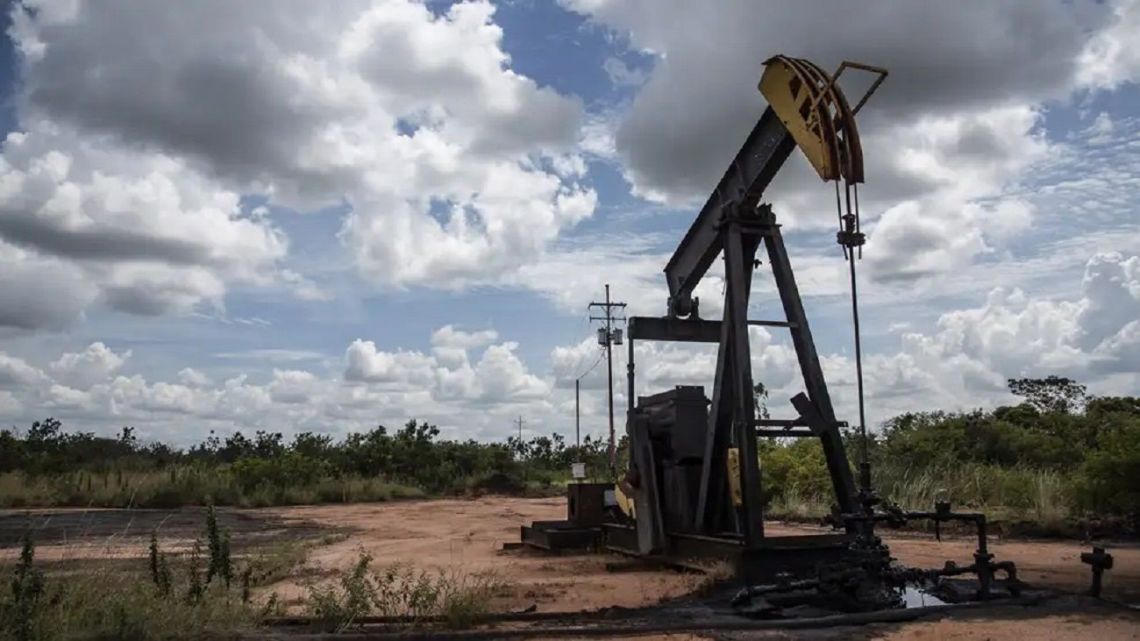
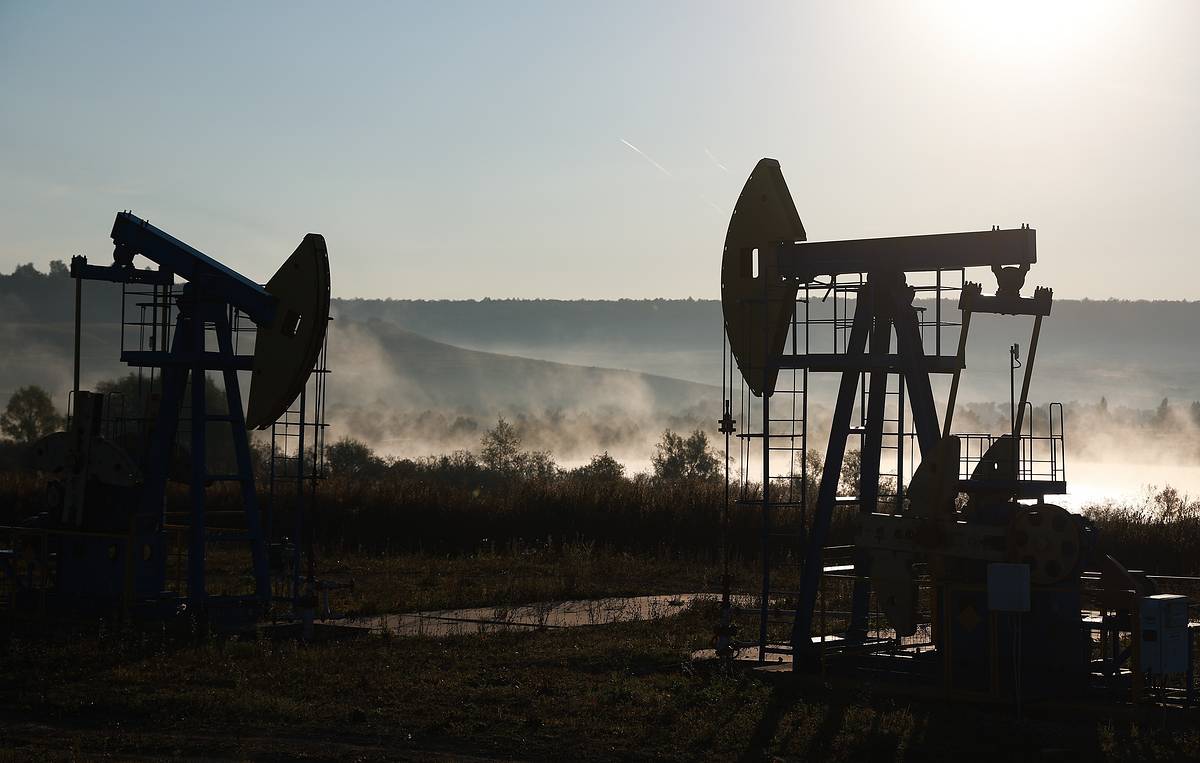
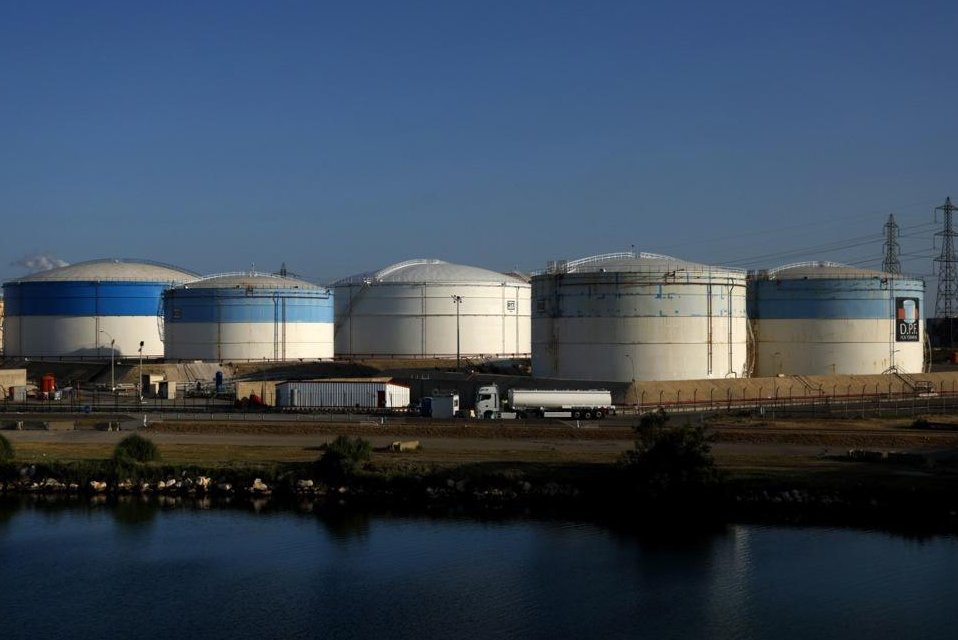
Attention is focused on Vaca Muerta, one of the world's largest reserves of unconventional oil and gas. The field is in the Neuquén Basin in Argentine Patagonia, and has become the country's main energy bet.
From there, companies and analysts are closely watching every signal coming from the Middle East. In the sector, a cautious attitude prevails, summed up in the logic of wait and see.
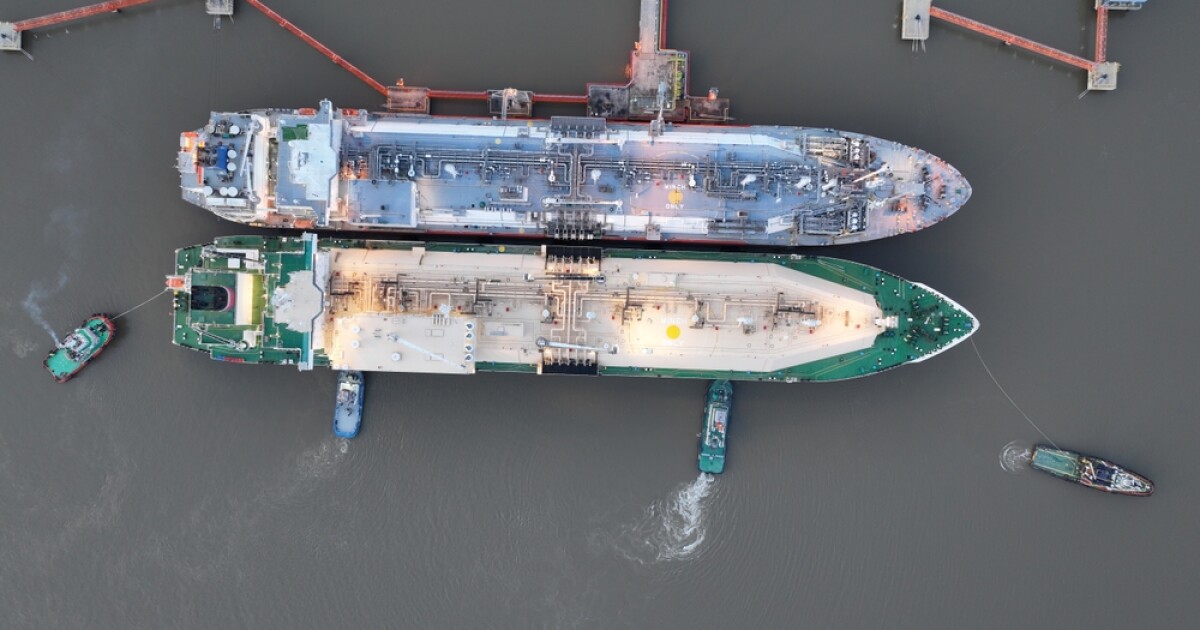
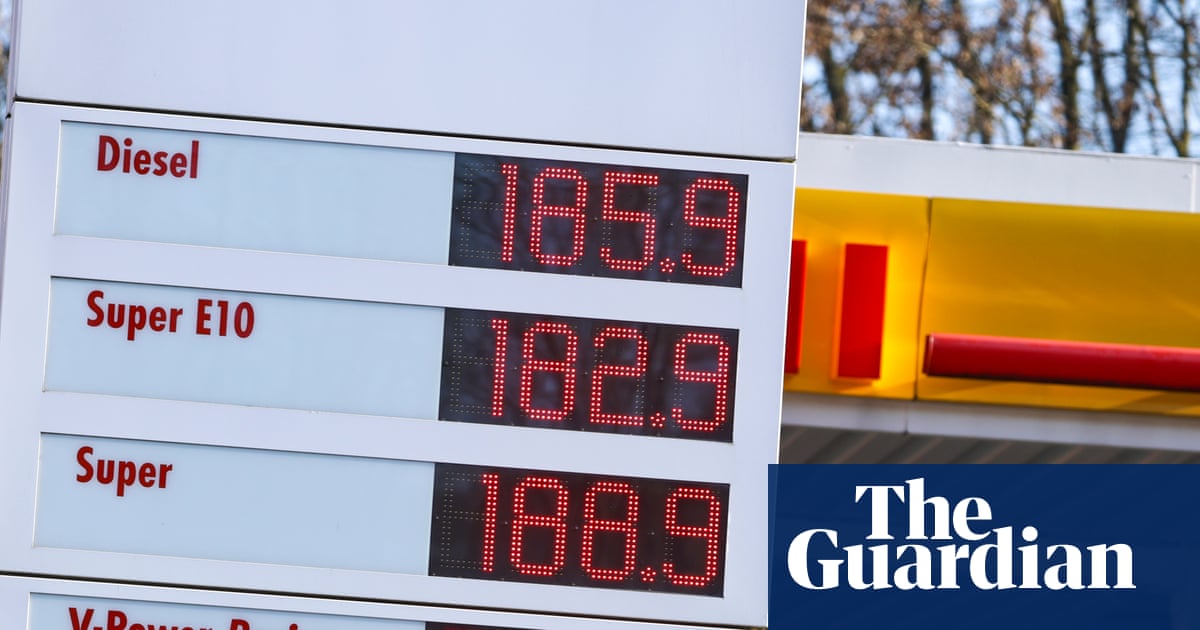
According to data from consulting firm Gas Energy Latin America, the price of a barrel rose from about $64 to nearly $76 after the escalation of the conflict. The jump of around $12 benefits countries that sell crude abroad. Brent Crude was trading at about $93 on Friday as prices continue to rise largely because of oil tanker disruption in the Strait of Hormuz.