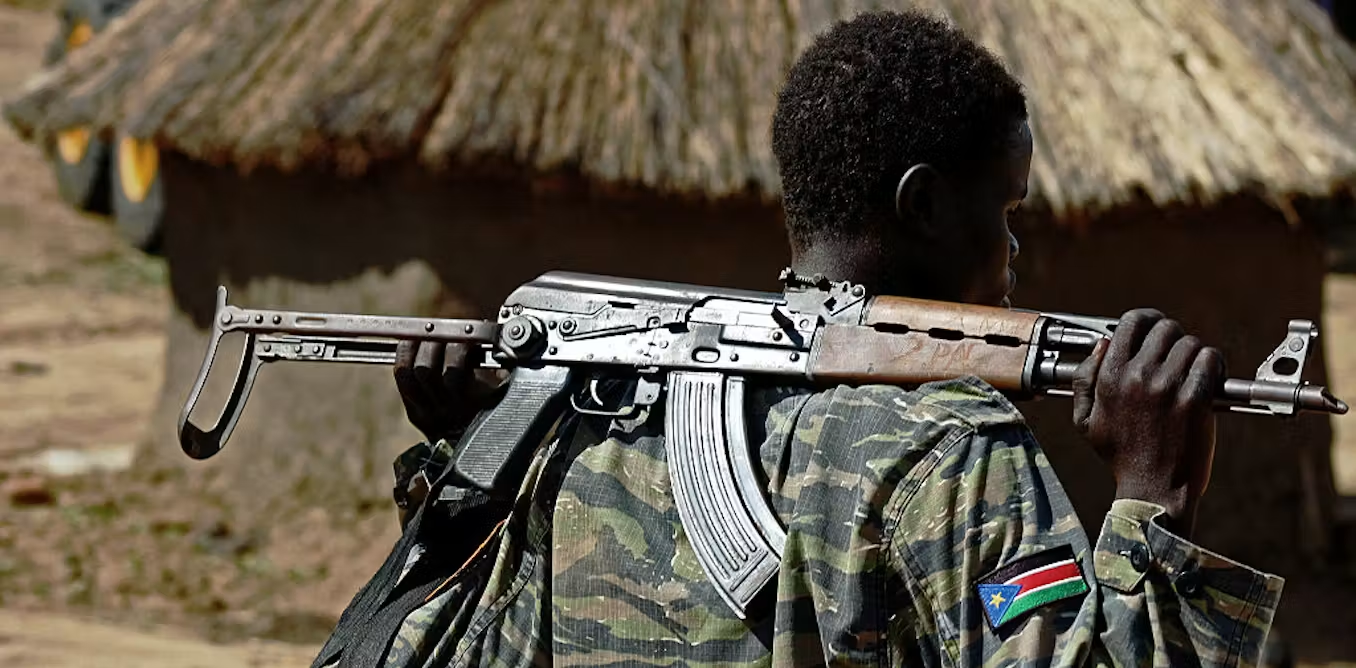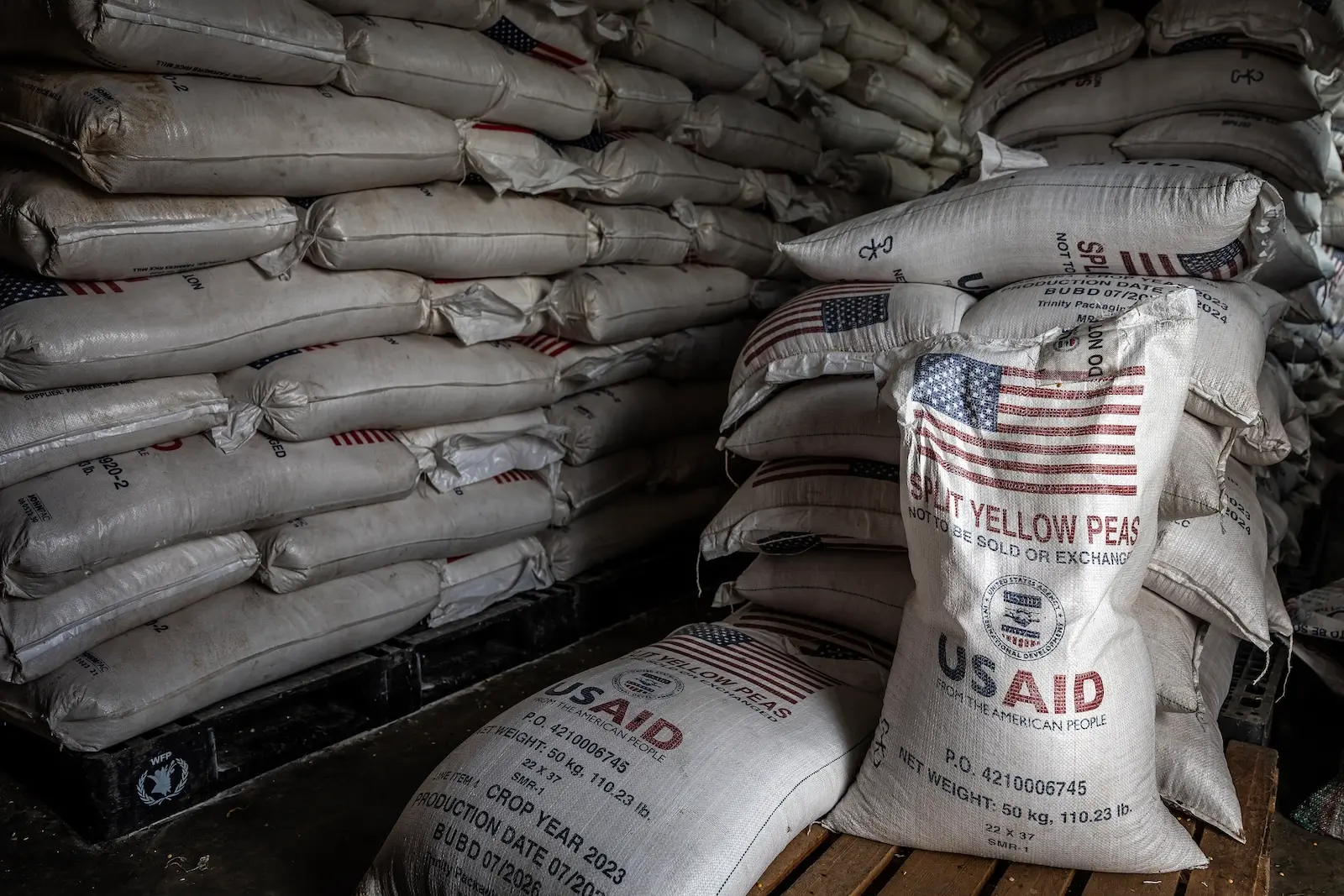
“When those funds rapidly go away, it's a shock to the opportunity cost, and now it becomes more and more attractive to participate in what we might call the unproductive part of the economy, which is participating in violence, engaging in crime, and other activities,” Wright said. “But because the shutdown was so rapid, it didn't really have an opportunity to bind on the rapacity effect, because it's not as if the bridges, roads, or full-on infrastructure went away. The things that individuals or groups might fight over were still present.” “It’s a bit of a ticking time bomb, because you're both removing the conflict-reducing side of aid, while leaving behind the conflict-enhancing part of aid,” he added. To quantify the impact of the cuts on violence, Wright and his colleagues examined the Geocoded Official Development Assistance Dataset (GODAD), which monitors geolocated information regarding foreign aid disbursements, alongside the Armed Conflict Location and Event Data (ACLED), which tracks violent events. The overlapping datasets revealed macro-level patterns between aid distribution and violence in the wake of the cuts, including significant upticks of violence in areas that had previously received large amounts of aid, or where the population had less control over their government due to weaker executive constraints. Moreover, this increase in conflict has persisted over the course of months and may continue in areas that fall into “conflict traps” defined by self-perpetuating cycles of violence.These impacts are catastrophic for people who had relied on USAID, as evidenced by the estimated death tolls, and the increased risk of violent conflicts and upheavals. They also present new vulnerabilities for the United States and its allies. Though USAID had an altruistic mission, the agency also served as a vector of soft power and an early-warning system for tracking public health risks, like pandemics. The loss of the agency has already caused national security issues for the U.S., such as the seizure of discarded USAID supplies by Iran-backed Houthi groups in Yemen. “Those insecurities don't stay where they're created; they travel,” Wright said. “That unfortunately means that the vulnerabilities that are being created at the moment will likely have long-run consequences of creating insecurity that directly impacts the safety of Americans.”Moreover, Trump’s demolition of USAID prompted many allies in Europe to pull back on their own foreign aid, exacerbating the effects. Though other humanitarian organizations are struggling to mitigate the consequences, the loss of trust caused by the shutdown of USAID is likely permanent, with ominous long-term consequences. “Even if you reactivated USAID and pretended as if it never went away, you can't reverse these effects because you've already communicated your bad faith behavior,” Wright said. “There is nothing quite like the reputational bomb of simply shutting down an agency, and what that does to the reputation that the U.S. might have if it ever wanted to reinitiate its interventions.”“From the soft power lens, and a global lens, the reputational effects, I think, are tremendous and will create a bunch of wedges and inefficiencies,” he concluded. “If one simply wanted to restart USAID, it's going to cost much more to rebuild than simply the same budget all over again.”🌘Subscribe to 404 Media to get The Abstract, our newsletter about the most exciting and mind-boggling science news and studies of the week.
DOGE Cuts Unleashed a Deadly Wave of Violence Across Africa, Study Finds
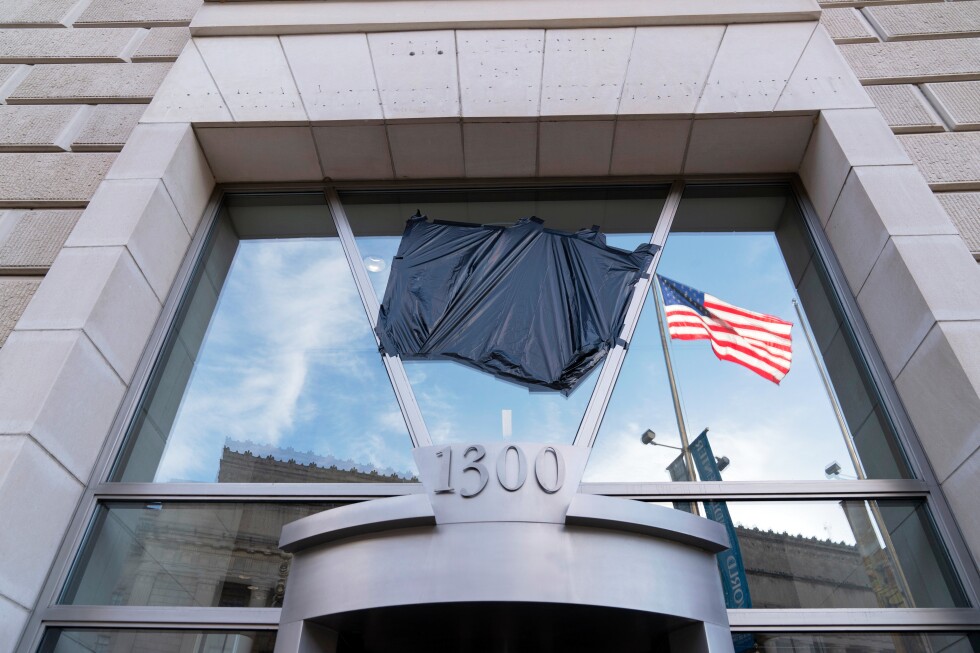
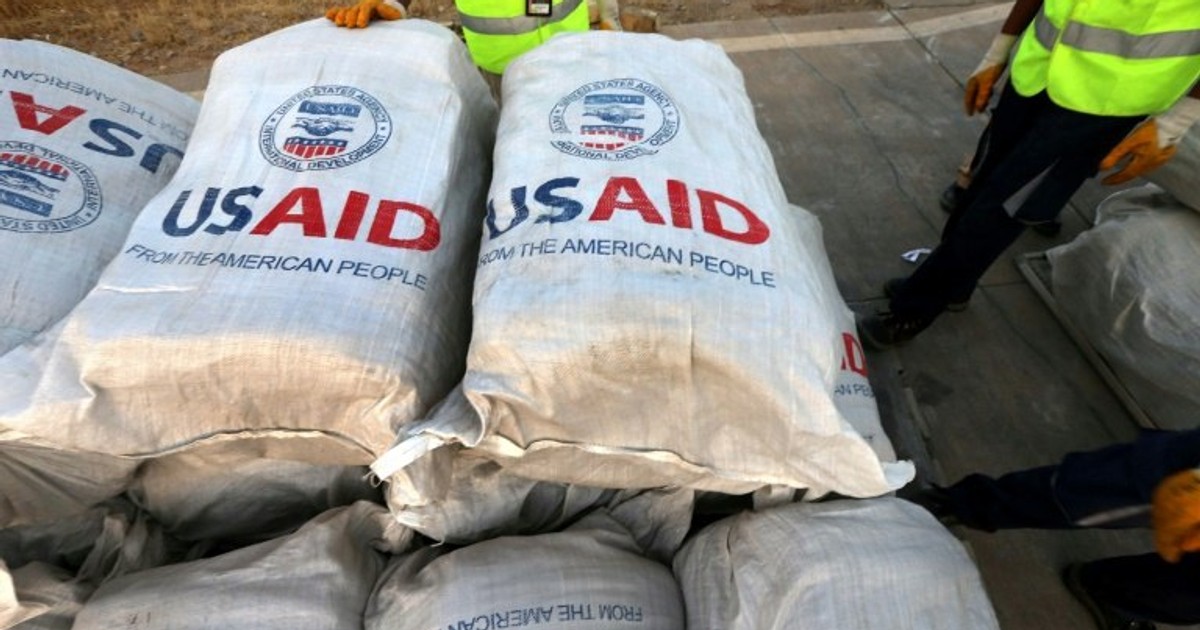
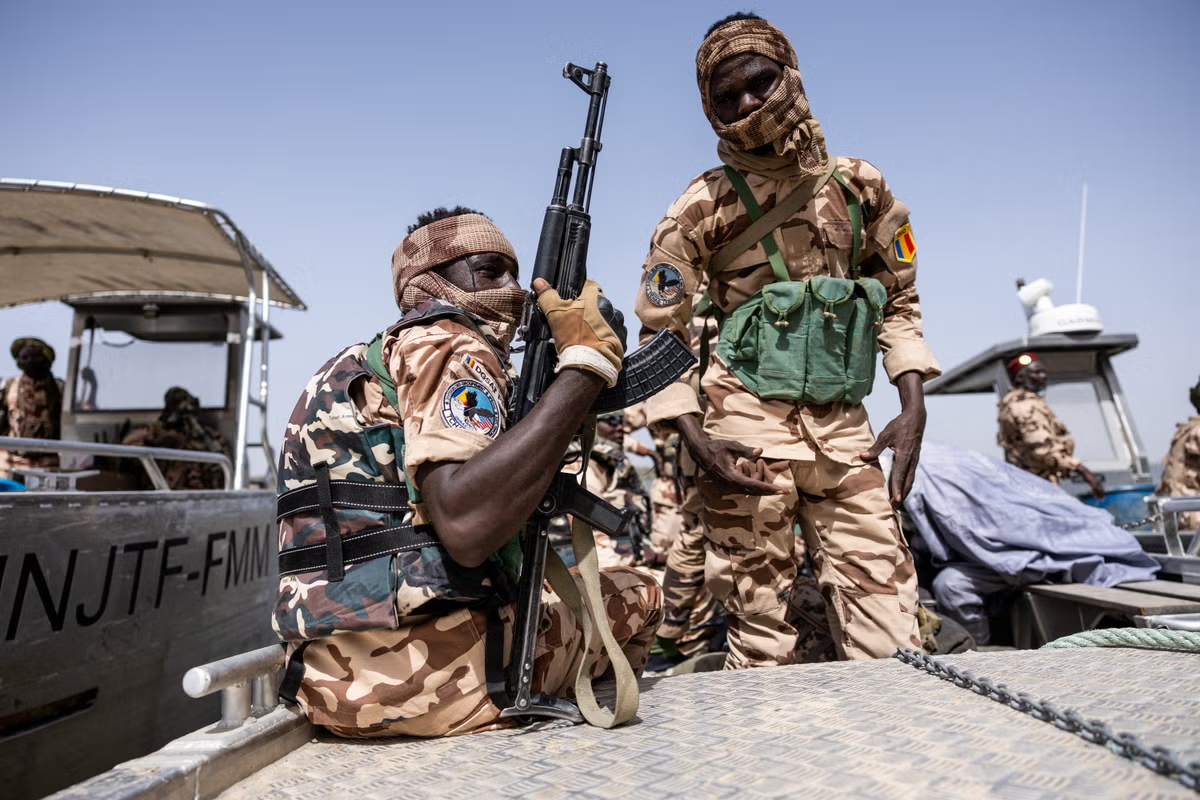
The dismantling of the United States Agency for International Development (USAID) is associated with measurable increases in Africa, especially in areas most dependent on the agency’s support.
547 words~2 min read