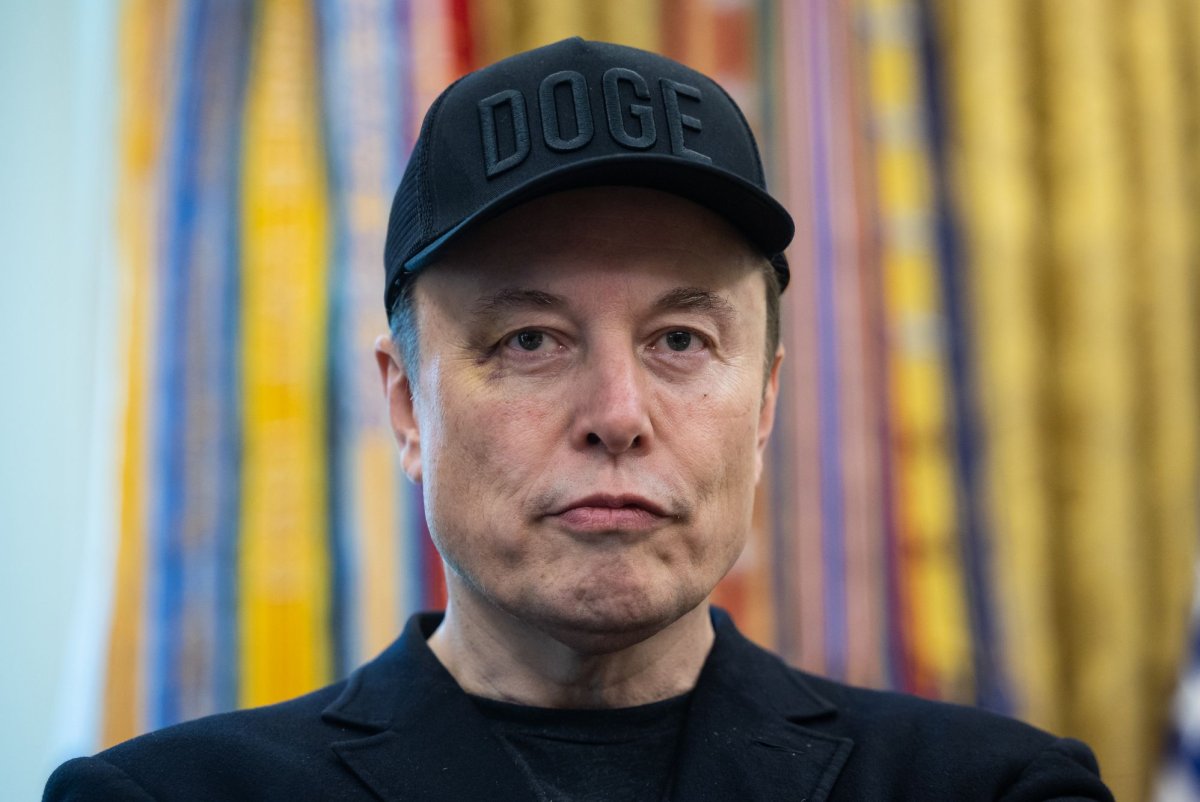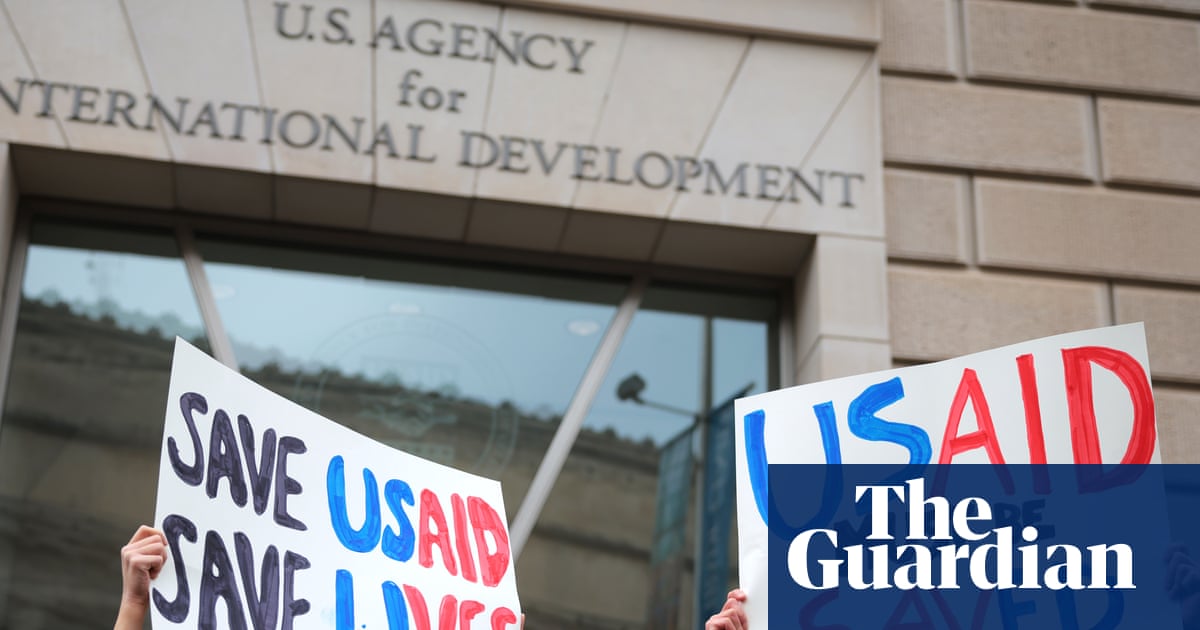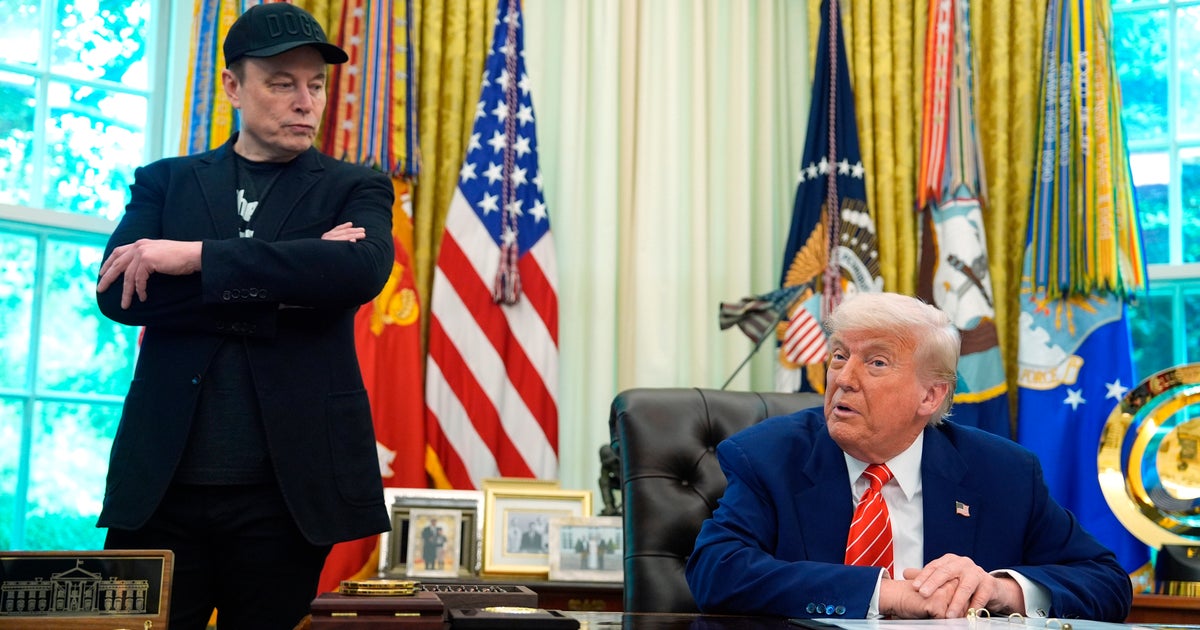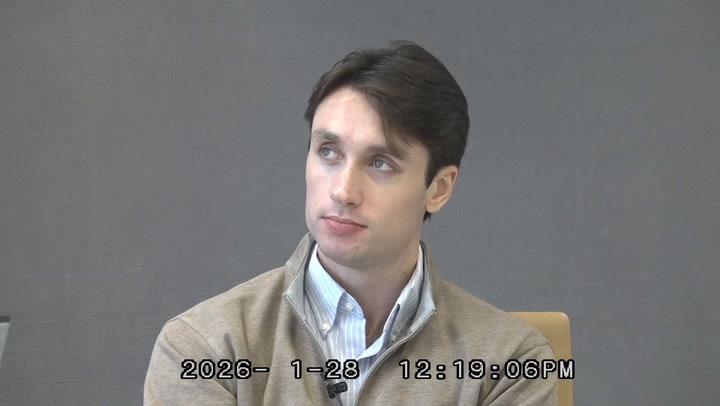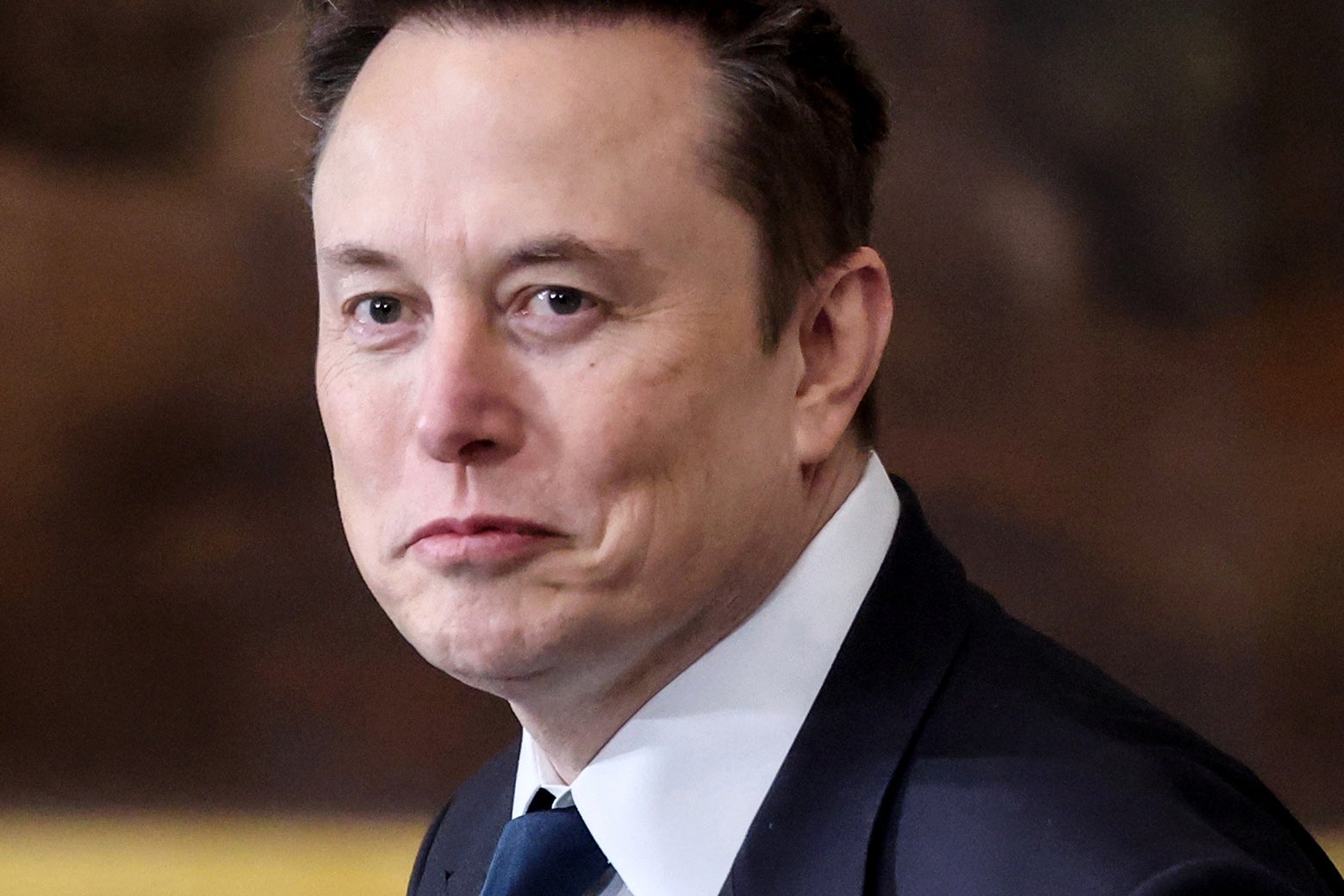
One year ago, the Trump administration canceled more than 1,400 grants from the National Endowment for the Humanities. More than $100 million in congressionally appropriated funds awarded to scholars, writers, archivists, and researchers across the country was snatched up in three days. There weren’t any individualized reviews or hearings. There was no due process. Just a chatbot and two guys from DOGE who had no legal authority to be there in the first place.
Earlier this month, U.S. District Judge Colleen McMahon handed down a 143-page opinion explaining exactly how illegal that was. She found a smorgasbord of constitutional problems. The mass cancellations violated the First Amendment because they were based on viewpoint discrimination. There were violations of equal protection because certain groups were systematically singled out for adverse treatment. Then there was the “ultra vires problem”: the DOGE officials who ran the whole operation had no legal authority to touch an NEH grant in the first place.
Complaints about the so-called deep state, a term favored by this administration and its supporters, have always centered on a specific grievance: unelected, unaccountable bureaucrats insulated by their own ideas about expertise and merit. The record assembled under oath describes, with uncomfortable precision, the administration doing exactly what it accuses everyone else of doing. Merit displaced by politics. Unaccountable actors. Ideological discrimination. Racial discrimination. The charges fit. It’s just not the defendants they had in mind.