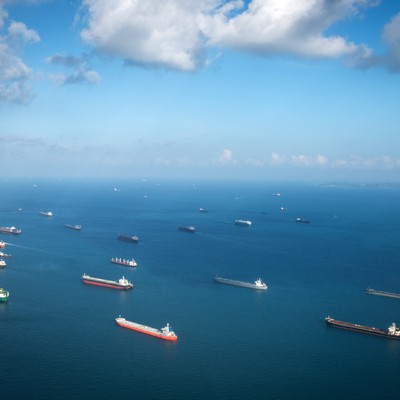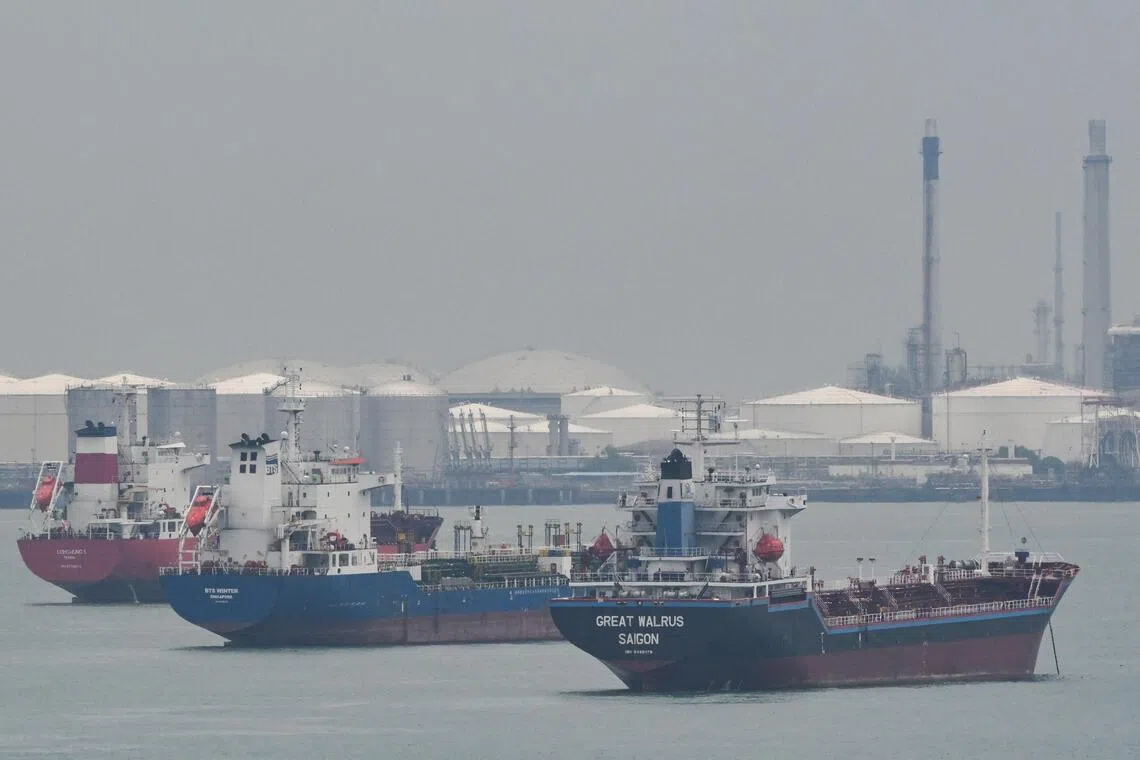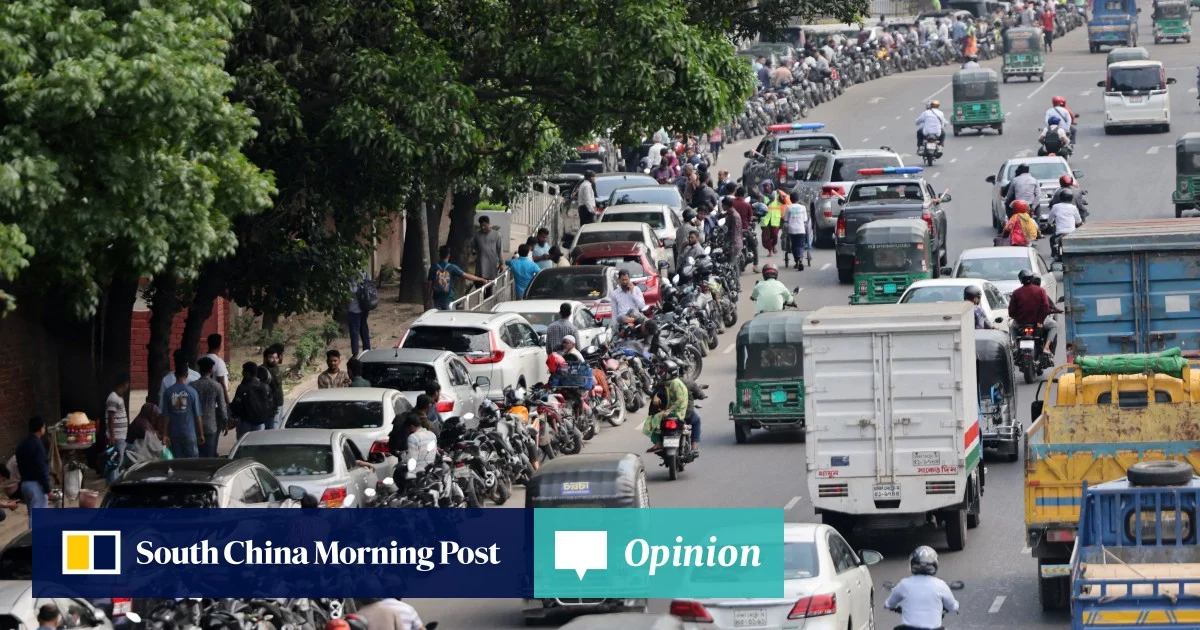
The year was 1973. An oil embargo from Arab oil-producing nations against nations supporting Israel sent shockwaves through the global economy, pushing oil prices from around US$3 to over US$11 per barrel within months.For a young Singapore heavily dependent on imported oil, this came as a blow, especially as it was unfolding amid an ongoing food crisis sparked by a year of poor harvests globally and sharply rising prices for essential agricultural products such as wheat and rice. As the crisis hit, Singapore's gross domestic product growth fell from 11 per cent in 1973 to 7 per cent in 1974, before hitting a post-independence low of 4 per cent in 1975. Inflation jumped from 2 per cent in 1972 to a whopping 22 per cent by 1974.By the end of 1974, oil prices had stabilised and the world eventually adjusted to higher oil prices.More than three decades later in 2008, rising oil prices hit the Singapore economy again. Financial speculation and robust growth in developing economies drove the price of crude oil to new highs, eventually touching a record US$147 per barrel by mid-July of that year. According to news reports at the time, this pushed inflation in Singapore to a 26-year high of 7.5 per cent in May that year, as transportation, energy and food costs surged. But updated data from the Department of Statistics shows that inflation was even higher in April and June that year, at 7.6 per cent.And in 2022, another shock: Oil prices spiked to around US$139 amid market supply fears following Russia's invasion of Ukraine.Inflation in Singapore hit 6.1 per cent, the fastest rate of increase in consumer prices since 2008, as the rise in oil prices once again contributed to higher costs for transportation, energy and food, while economic growth slowed to 3.8 per cent that year, from 7.6 per cent in 2021. History looks to be repeating itself yet again. In the past five weeks, oil and gas prices have surged as the United States and Israel carried out military strikes across Iran. But this is not a simple echo of the price shocks of before. For one, the International Energy Agency (IEA), which was formed in 1974 to ensure energy security through international cooperation in response to the 1973 oil crisis, has called it the "largest supply disruption in the history of the global oil market". Unlike some previous shocks, when prices moved mostly on demand-led speculation, this crisis involves a physical inability to move oil: Iran has effectively blocked the Strait of Hormuz, a narrow waterway connecting the Persian Gulf with the Gulf of Oman and the Arabian Sea, in retaliation against the US and Israeli strikes. The strait is a key node for energy supplies: Last year, about a quarter of the world's seaborne oil trade – or around 20 million barrels per day of crude oil and oil products – passed through it.
What the Iran war shows about Singapore's energy resilience for now and the future
As the conflict in the Middle East disrupts a key global oil and gas supply route, Asian economies are bearing the brunt. Singapore is holding up so far, but it has more work to do in ensuring energy resilience over the long term.
3,452 words~16 min read