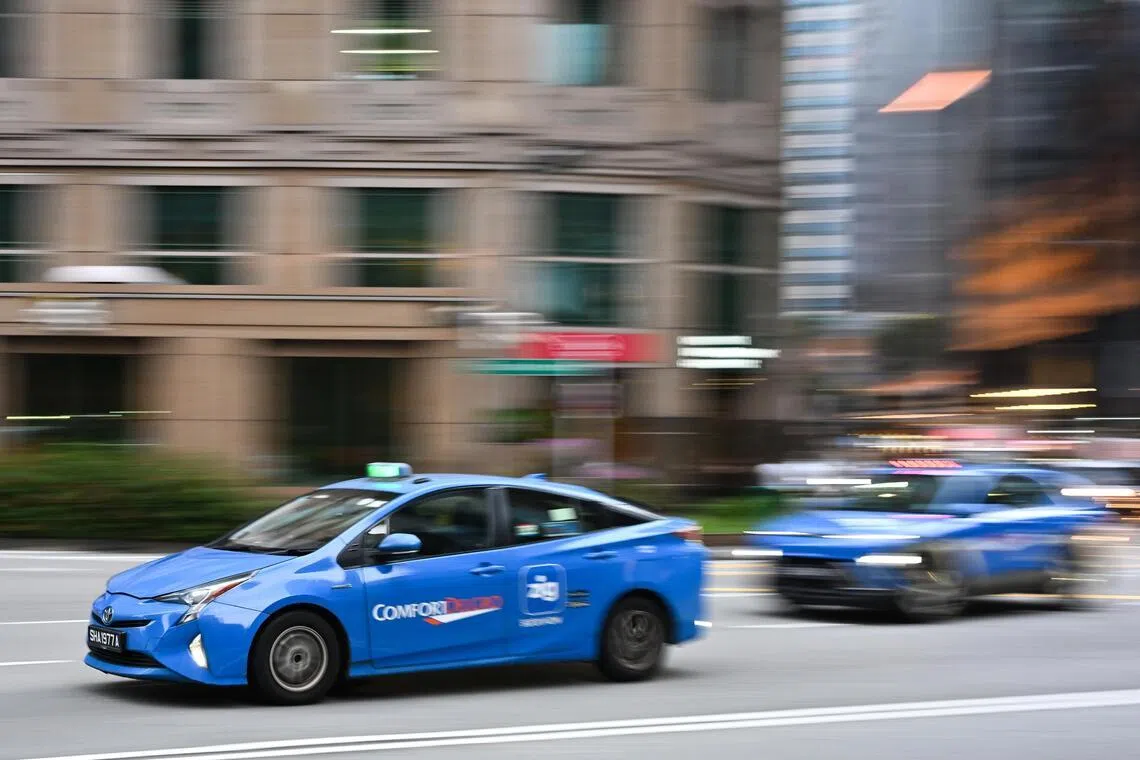
For Ms Lalitha Dorairajoo, the effects of a war raging thousands of kilometres away are hitting her hard on a number of fronts. As a private-hire driver, the 48-year-old has seen the price of a full tank of petrol for her hybrid car shoot up from S$80 (US$63) to over S$100 in the past month, given the ongoing energy crisis caused by the Middle East conflict. With less money to bring home after a day's work, Ms Lalitha is looking for ways to save money at home and she's taken to having her seven-year-old sleep in the same room as her to save on the cost of air-conditioning."Normally, I'm not an air-con person, but this weather, the haze, it's very bad. We're not able to (stand it) without the air-con, it's like you're sitting in an oven," she said.As the energy crisis continues to grow, CNA TODAY spoke to 55 Singaporeans aged 22 to 69 this week about how they are impacted and if they have made adjustments to their lifestyles.
Private-hire driver Lalitha Dorairajoo (pictured) has seen the price of a full tank of petrol jump from S$80 to over S$100 in the past month. (Photo: CNA/Raj Nadarajan)
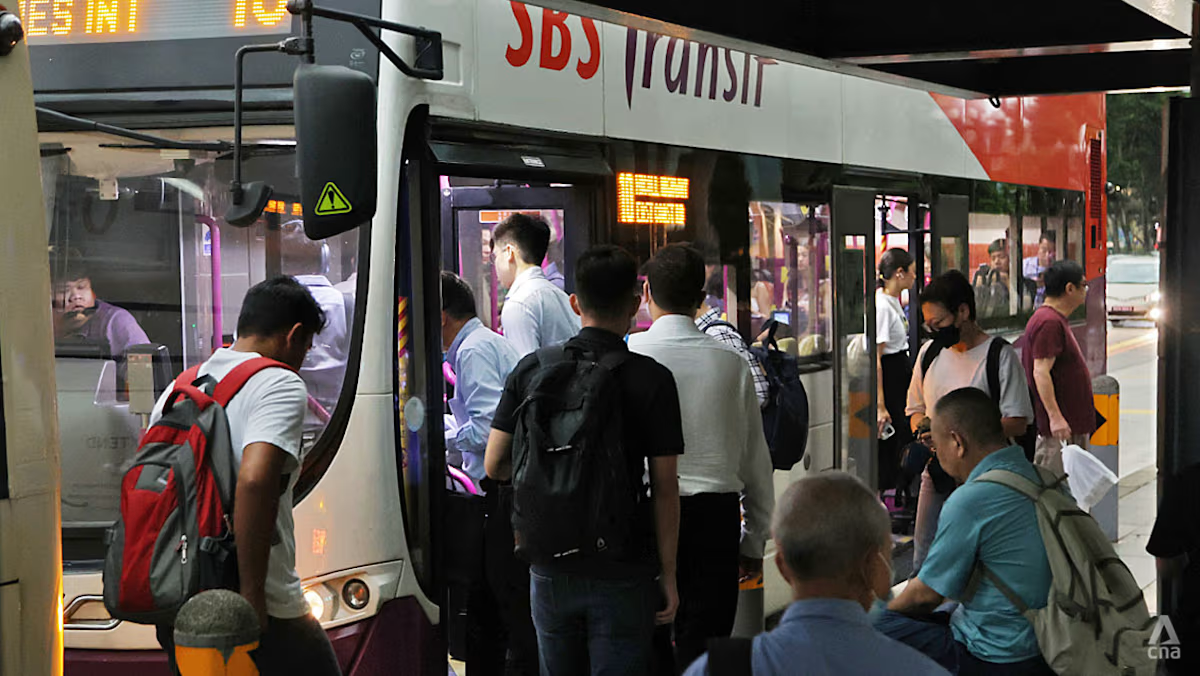
Close to 64 per cent of those interviewed said they have made changes in their lives due to the ongoing crisis, with most making minor adjustments such as taking shorter showers, switching off unused appliances and not revving the accelerators in their cars more than necessary. A handful of these respondents, however, have made more drastic changes such as swapping to an electric vehicle, leaving their cars at home to hop onto public transport or ceasing to use air-conditioners. The roughly 40 per cent of respondents who have not made changes said that while they feel concerned about the crisis, it has not significantly impacted their expenditure. On Tuesday (Apr 7), three ministerial statements were delivered in parliament about the impact of the conflict in the Middle East on Singapore, highlighting a likely increase in prices here.Since the US and Israel began military strikes on Iran on Feb 28, and Iran effectively blocked the Strait of Hormuz in retaliation, oil and gas prices have surged given the increased competition for whatever fuel supply is available. Demand for other fuel sources has also risen as a result, causing a rise across the board. Across Southeast Asia – where several countries are heavily dependent on oil and gas imports from the Middle East – soaring energy prices have spurred a range of responses: Thai authorities have mandated civil servants to conserve energy, even urging workers to take the stairs instead of the lift, and Laos has scaled back in-person classes to help families deal with volatile fuel prices. Dr Christopher Toh, an associate faculty member at the Singapore University of Social Sciences (SUSS), noted that food and energy prices typically rise during wartime as conflicts disrupt global production and trade routes, with knock-on effects across other commodities."The impact of the Iran war has so far been relatively contained in Singapore, with no emergency measures or work-from-home orders, unlike in many countries around the world. But the conflict, which has driven up energy costs, has seeped into daily life here, prompting the Singapore authorities to take action to ease the burden," said Dr Toh.