Issued on: 26/04/2026 - 18:30
As radiation spread across Europe in April 1986, so did the truth about a political system built on silence. Four decades on, RFI spoke to history and politics professor Oleg Kobtzeff about how the Chernobyl nuclear disaster exposed the USSR's culture of secrecy, and was among the catalysts for its collapse.
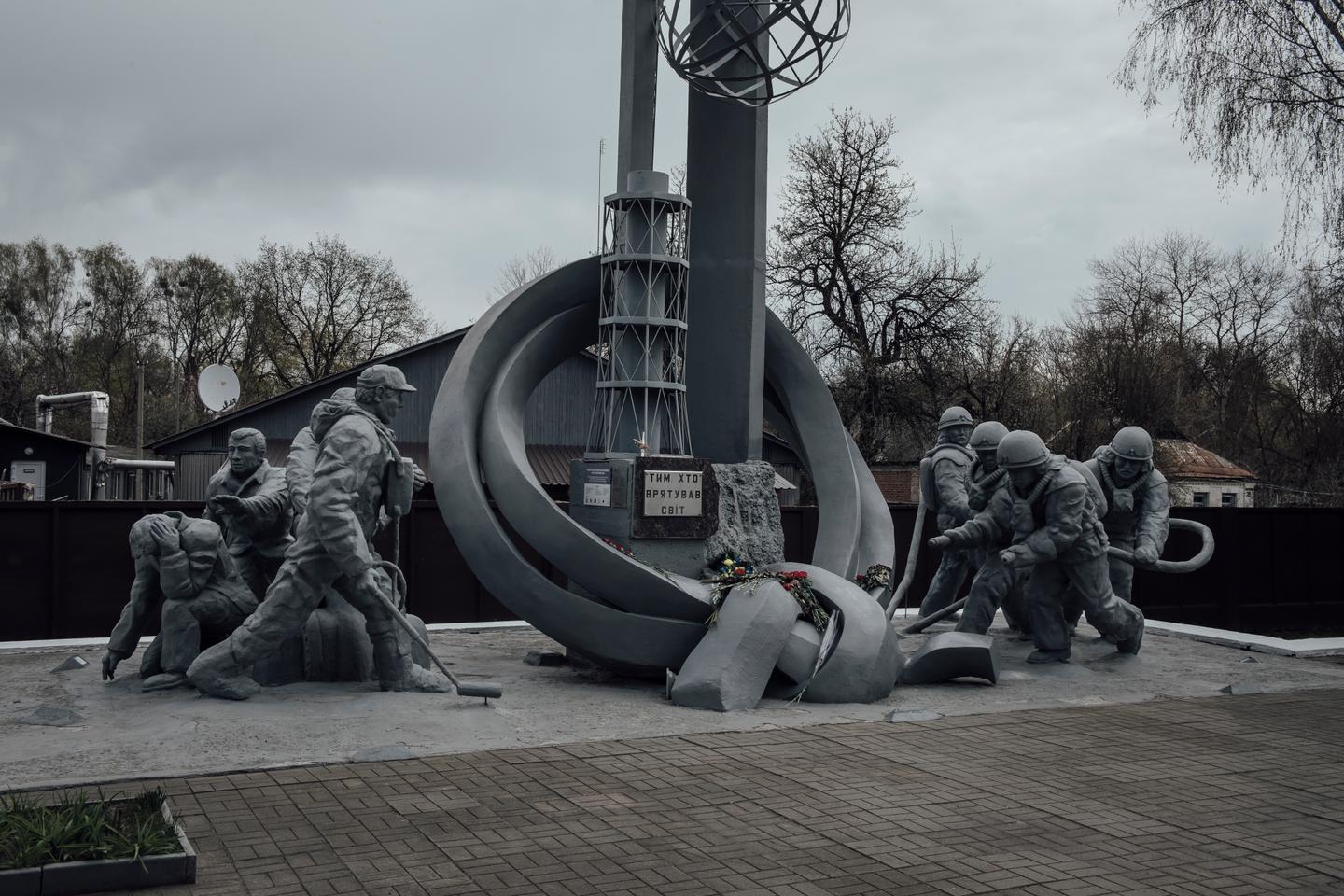
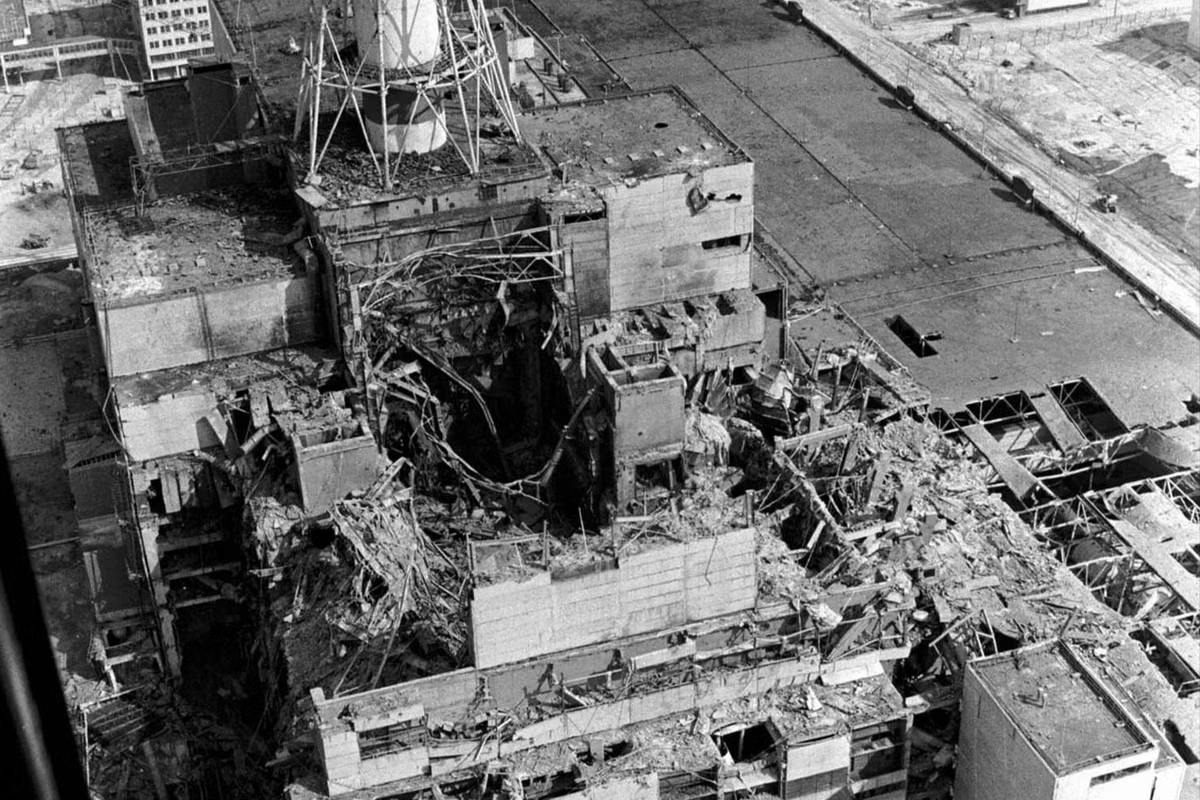
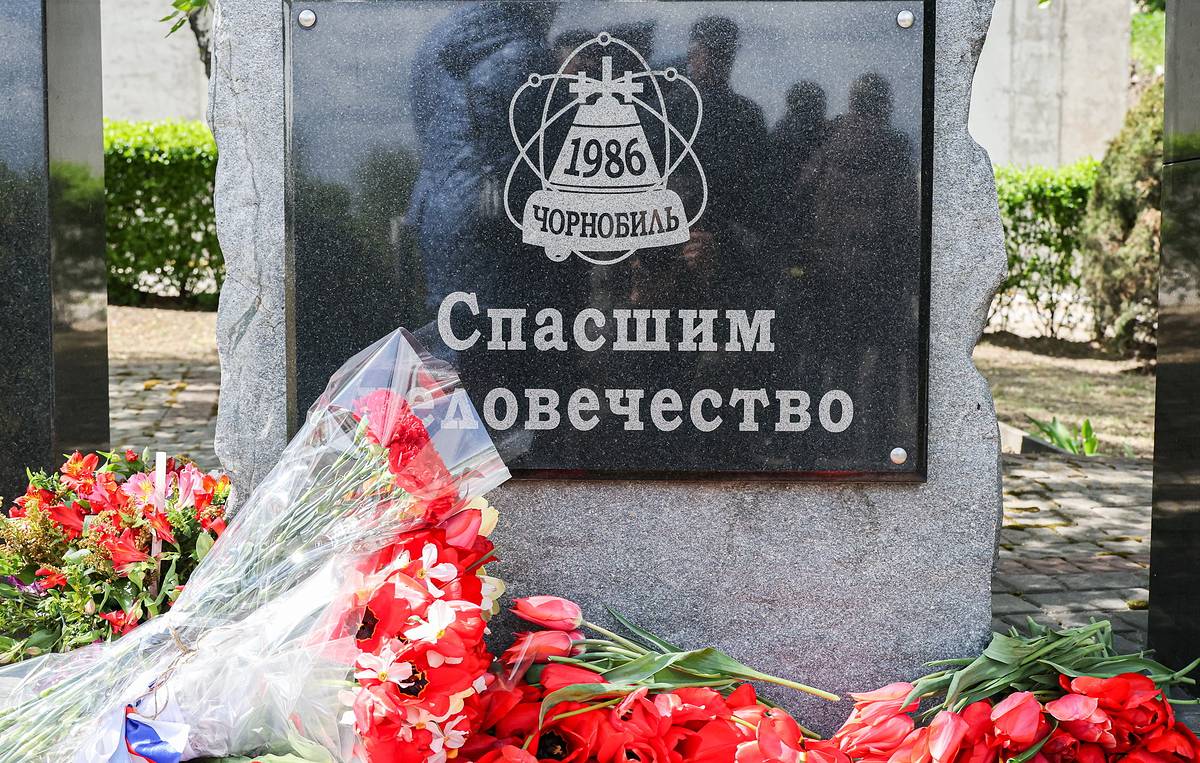
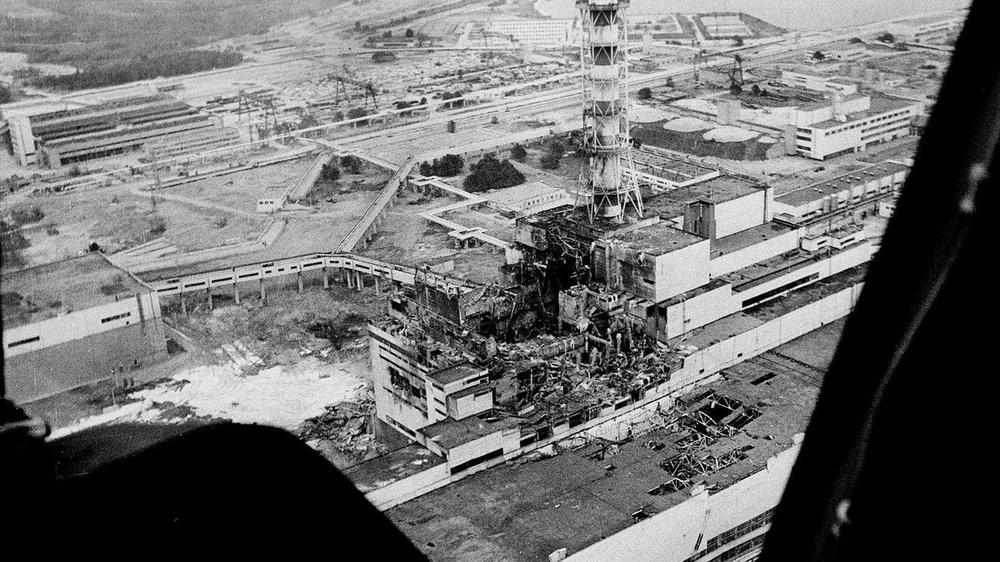
On 26 April, 1986, a reactor exploded at the Chernobyl nuclear power plant in what was then the Ukrainian Soviet Socialist Republic, sending a radioactive cloud drifting across Europe. For days, the Soviet Union said nothing.
But as radiation alarms sounded in Scandinavia and the truth seeped out, the disaster became something bigger than an industrial accident. It pulled back the curtain on a system built on secrecy – and, some argue, helped bring that system crashing down.
Four decades on, the question still resonates: was Chernobyl the beginning of the end for the Soviet Union?