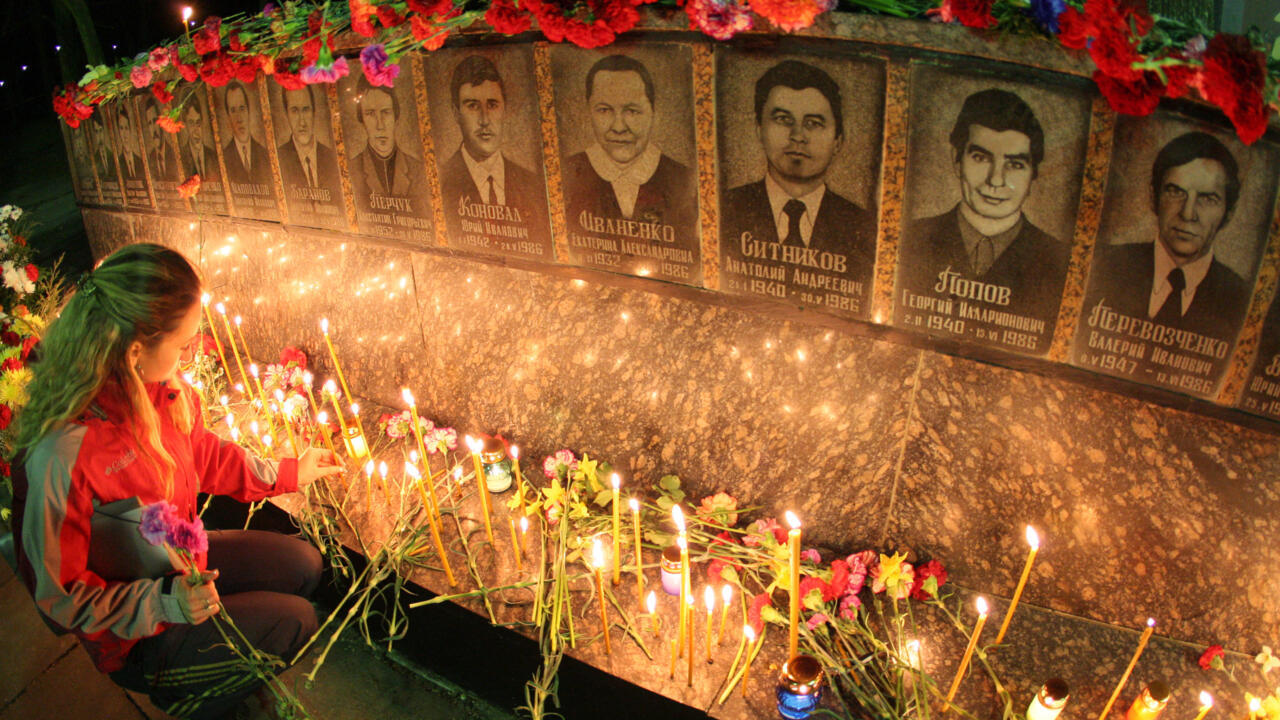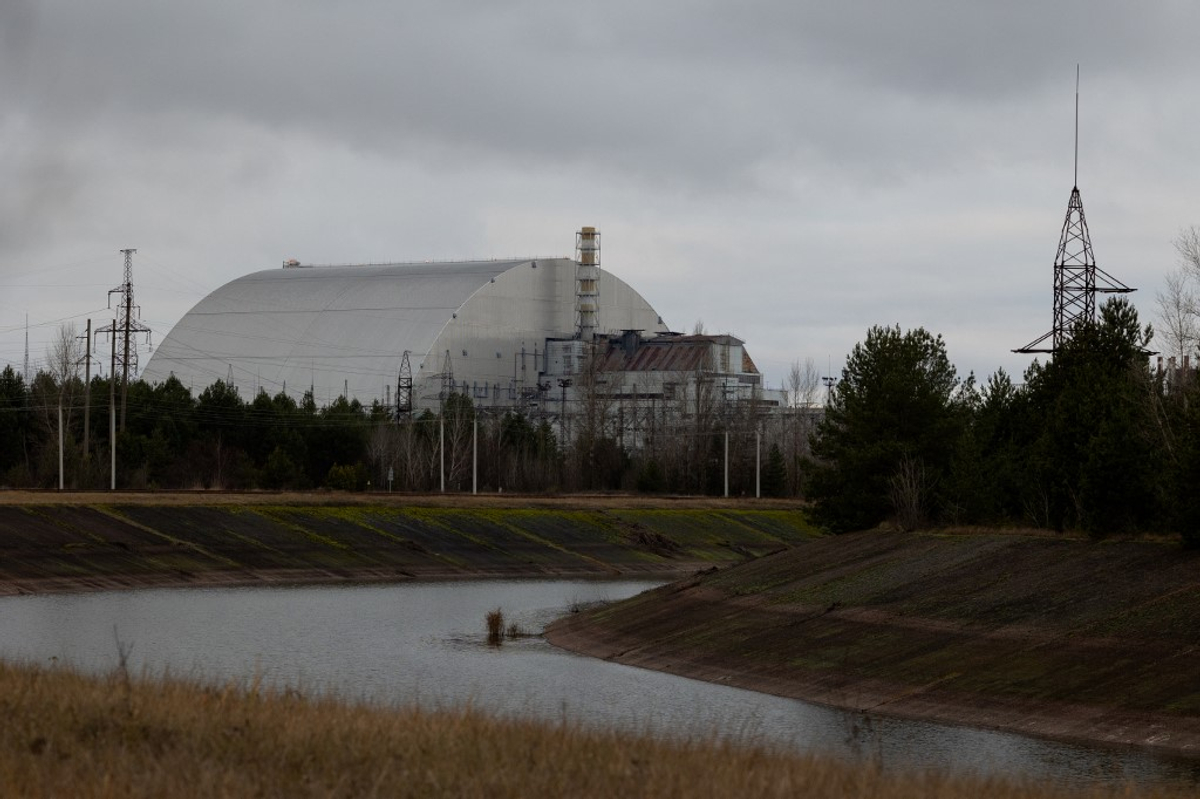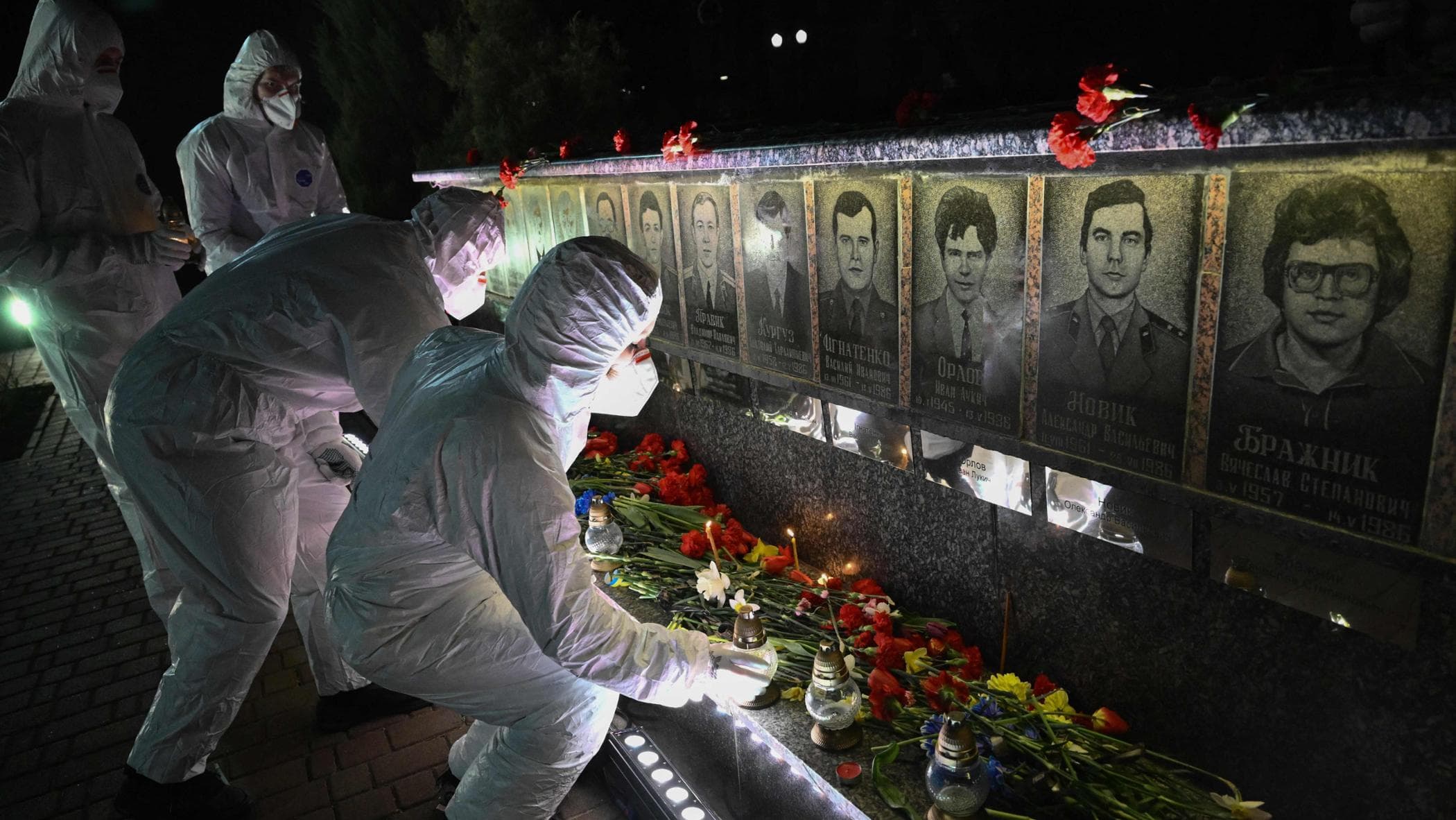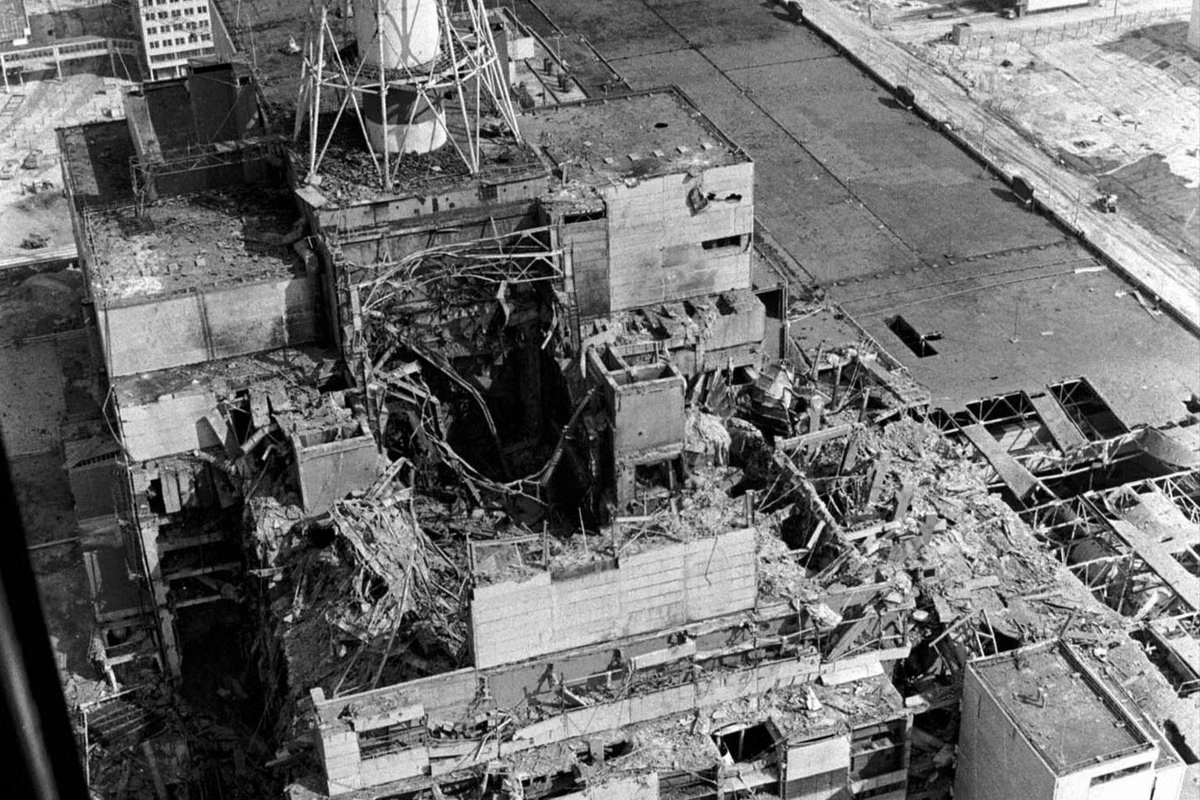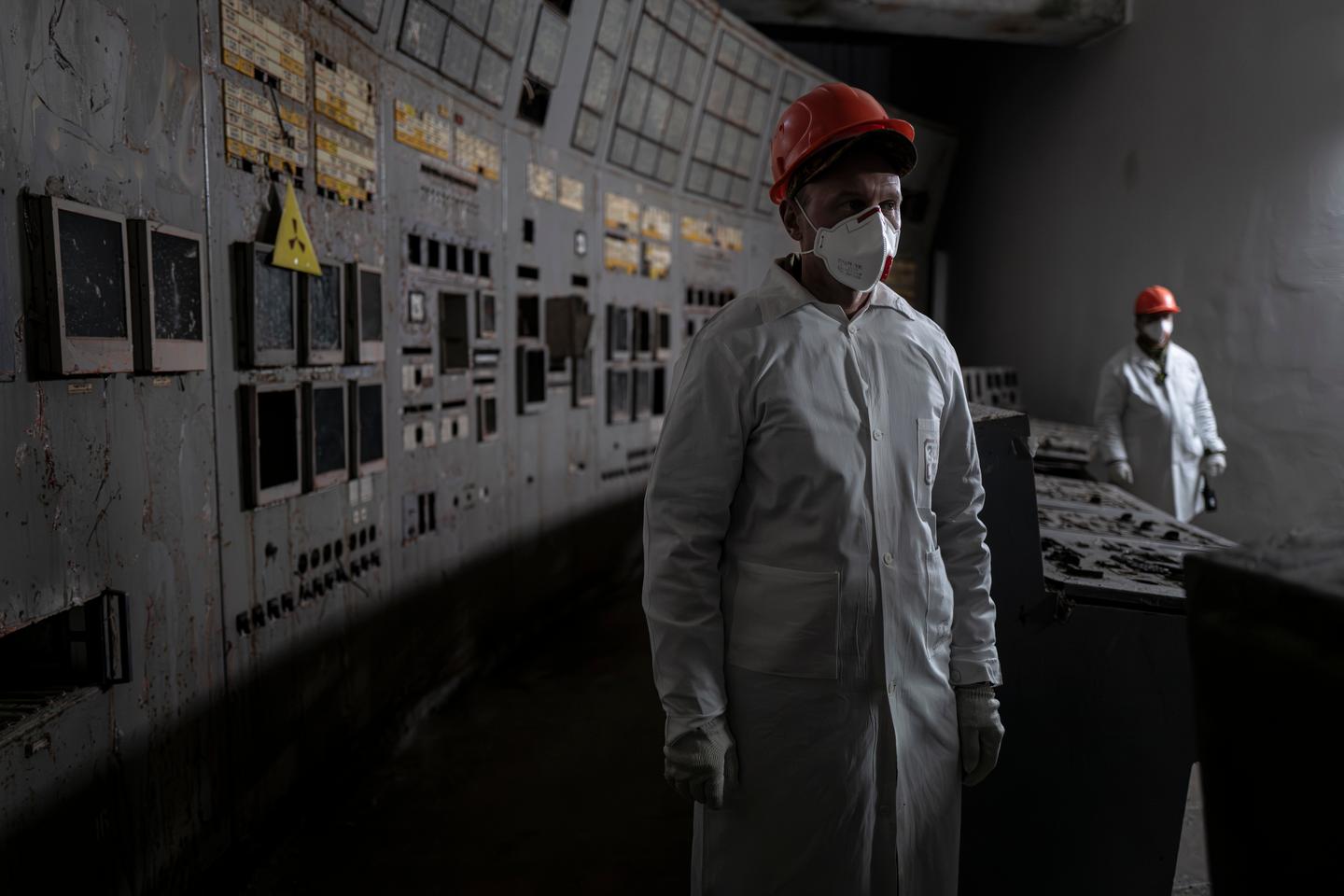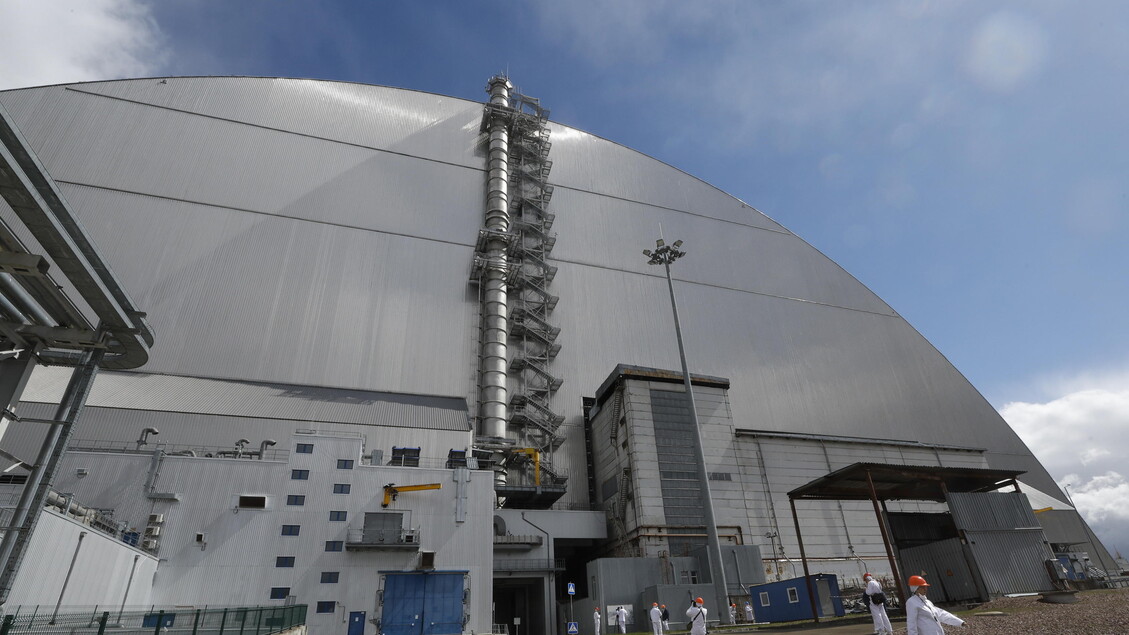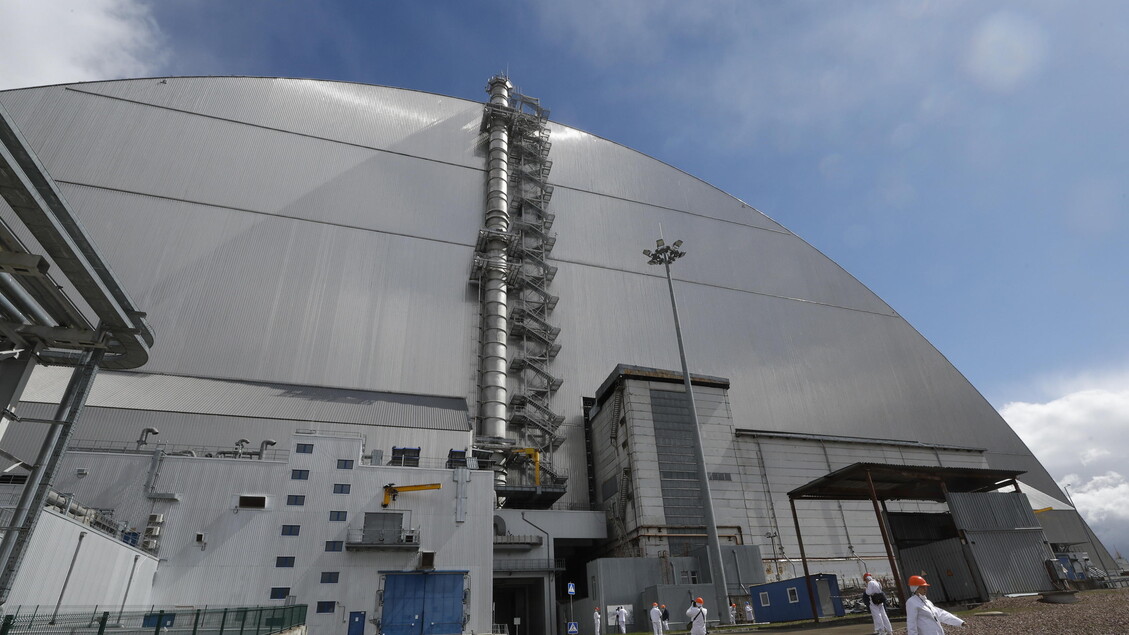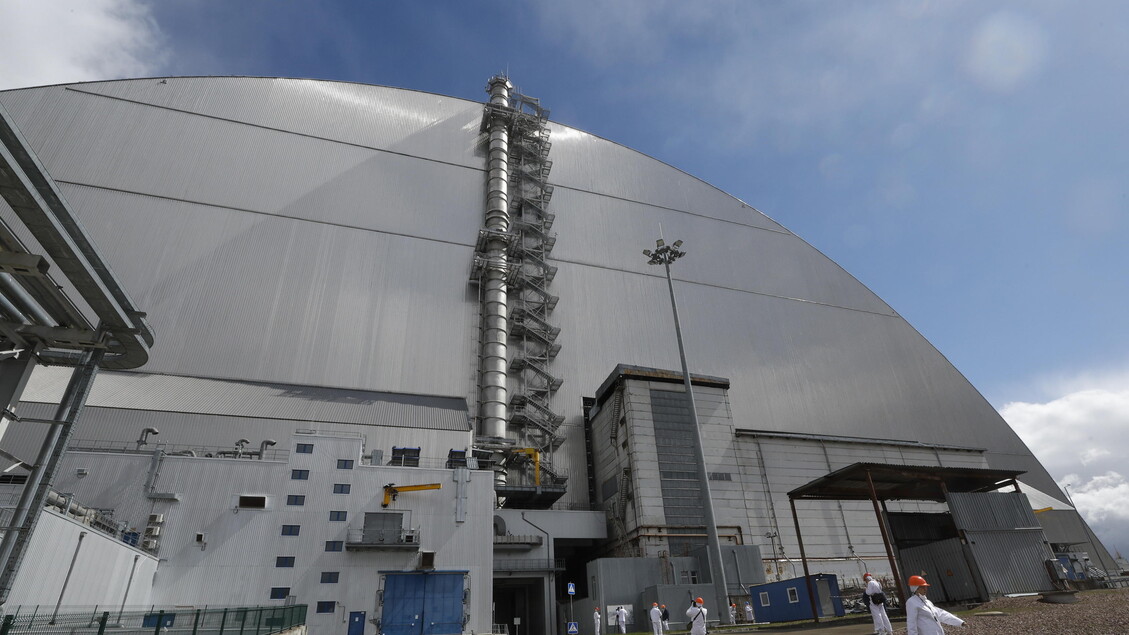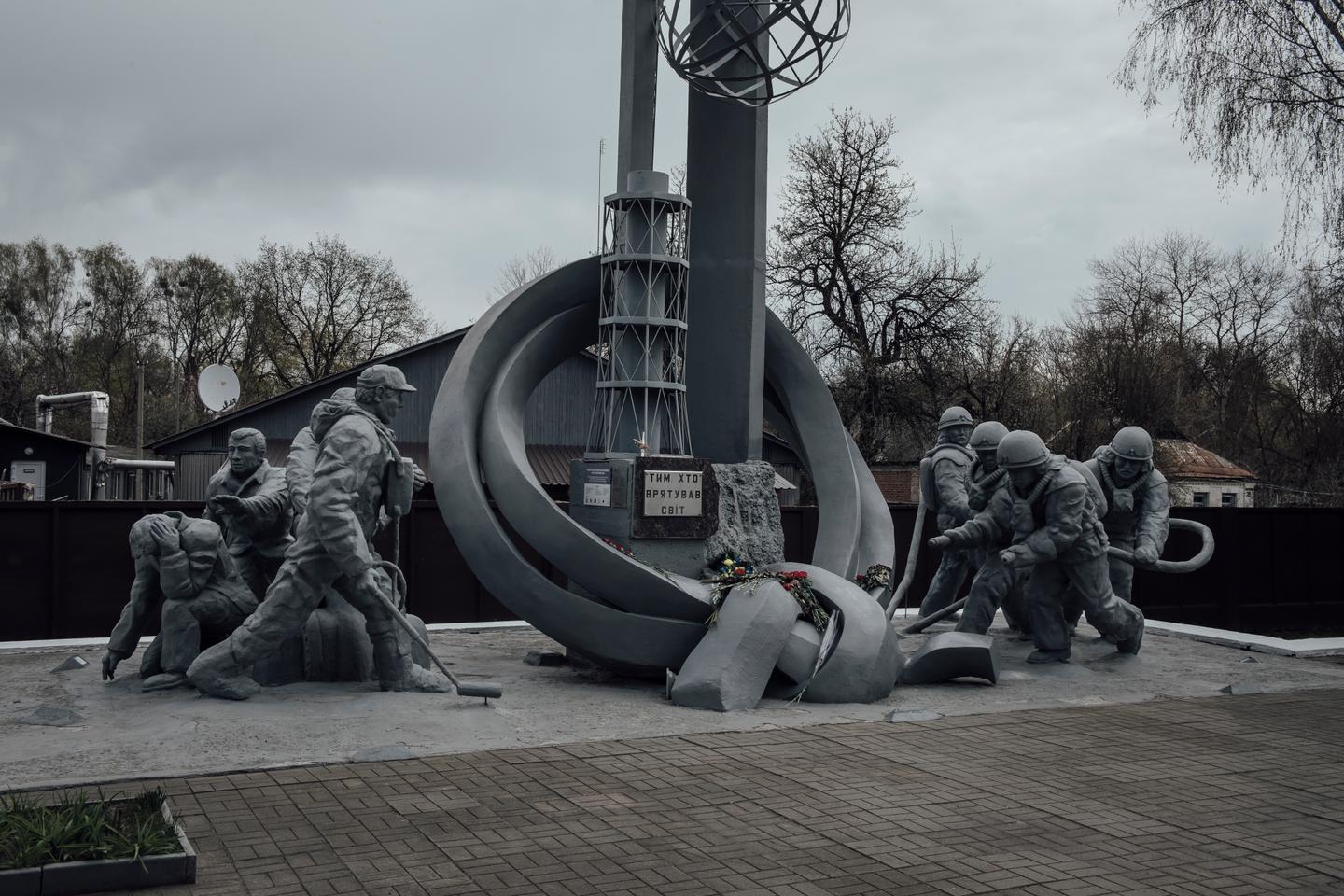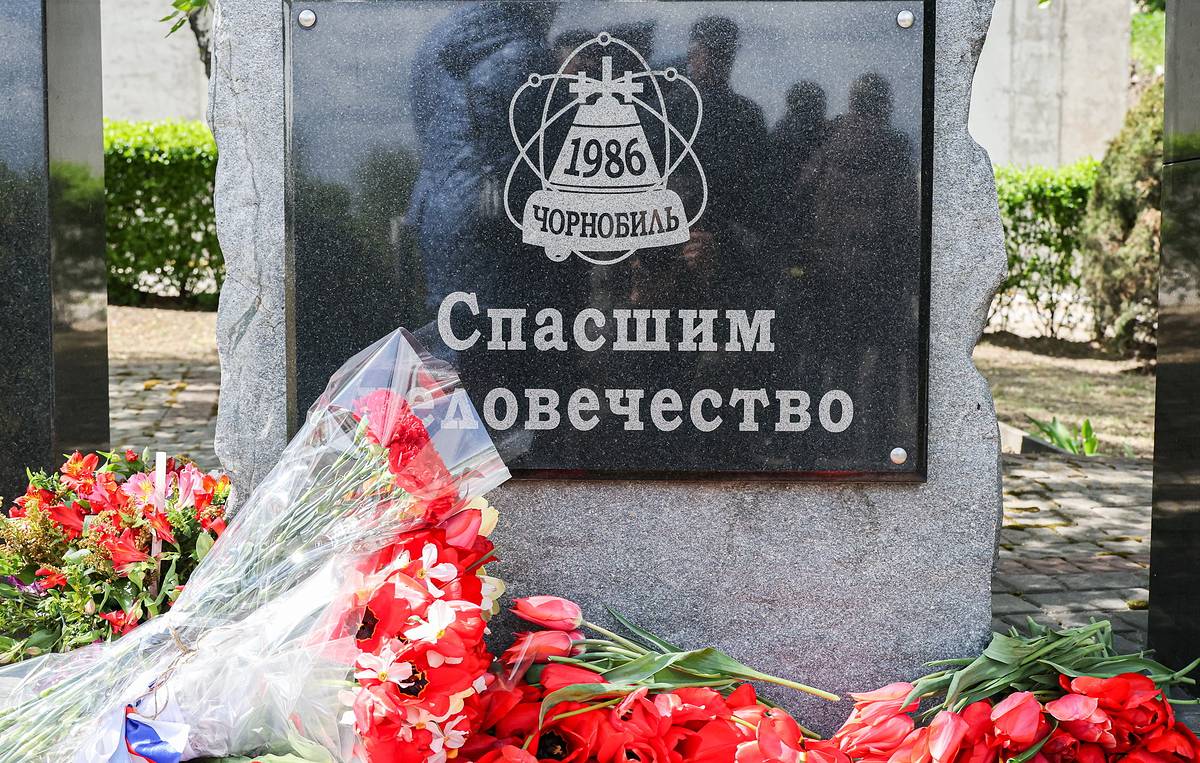
TASS FACTBOX. April 26, 2021 marks 35 years since the Chernobyl nuclear power plant disaster (near the town of Pripyat, the Kiev Region of the Ukrainian Soviet Socialist Republic, currently the Vyshgorod district of the Kiev Region of Ukraine). It went down in history as the worst-ever nuclear power plant catastrophe.
On June 29, 1966, the USSR Council of Ministers issued a decree approving a plan for commissioning nuclear power plants through 1977. The document specifically included the construction of nuclear power plants in Ukraine. One of the sites was selected 4 km from the village of Kopachi and 15 km from the city of Chernobyl, near the Yanov railway station (Chernigov-Ovruch line).
On February 4, 1970, construction began of a new city of Pripyat, 3 km from the future nuclear power plant site, for the plant's maintenance personnel. The city had a projected population of up to 85,000. In May of that year, excavation work began on the site of the foundation for the first power unit.
On August 1, 1977, the first fuel assembly was loaded into Unit 1, which housed an RBMK-1000 nuclear reactor, marking the beginning of its physical startup. The power startup took place on September 26 of that year. On September 9, 1982, the plant experienced its first accident. During a test run of Unit 1 following scheduled maintenance, one of the reactor's fuel channels failed, deforming the graphite stack in the core. No one was injured. The damage from the emergency took approximately three months to eliminate.