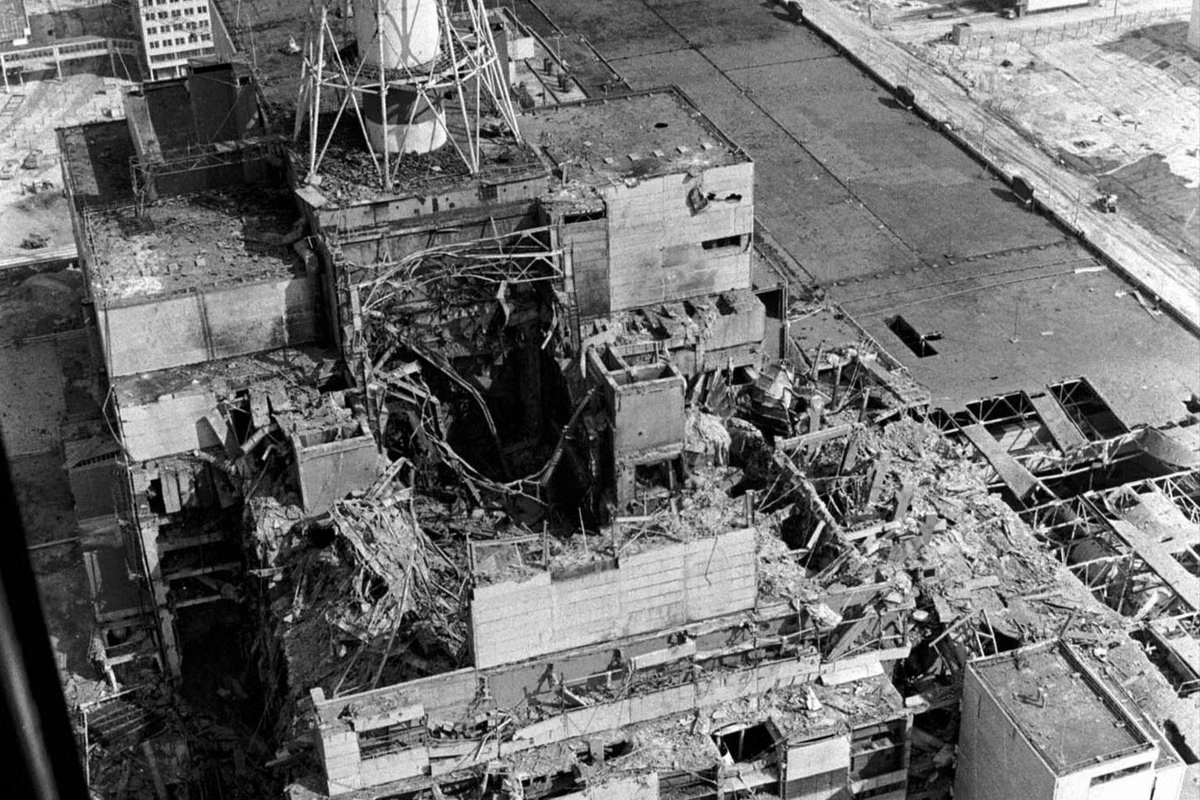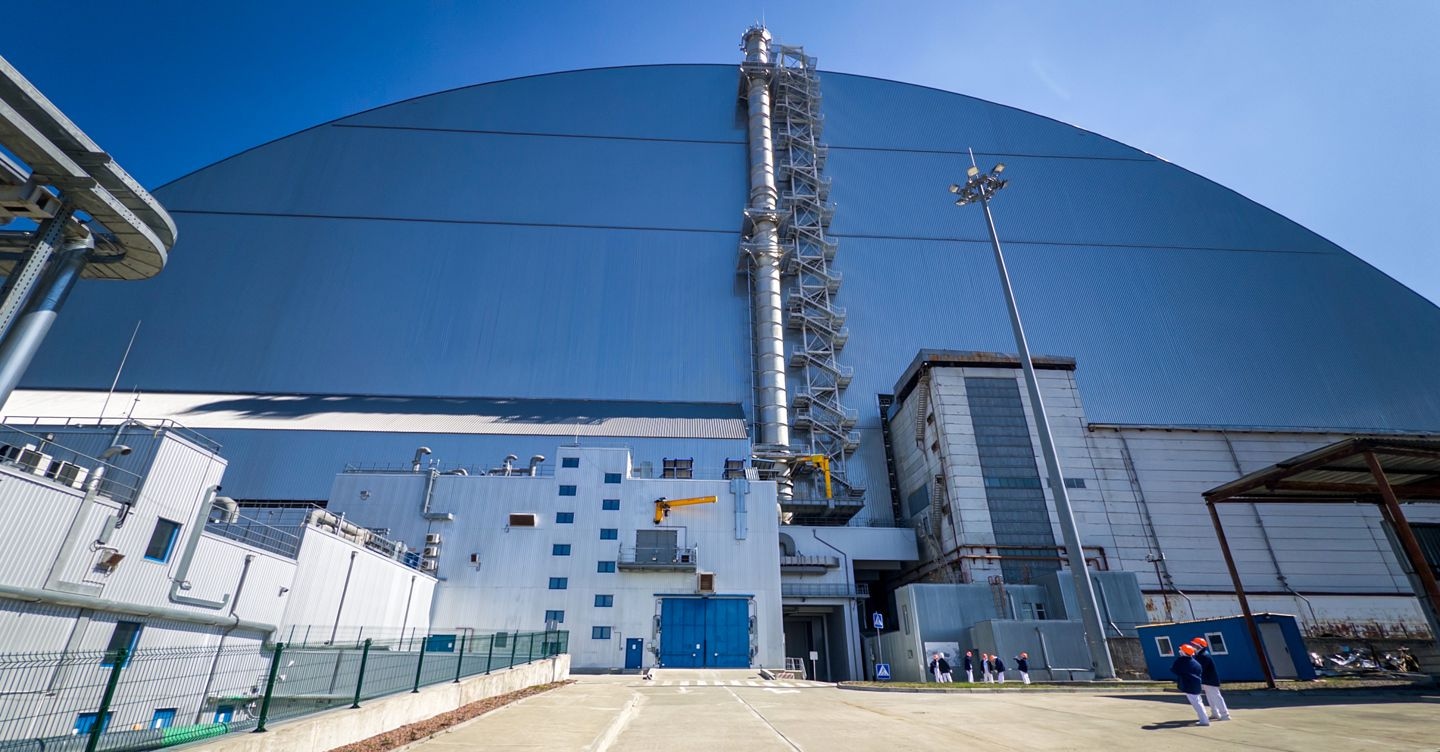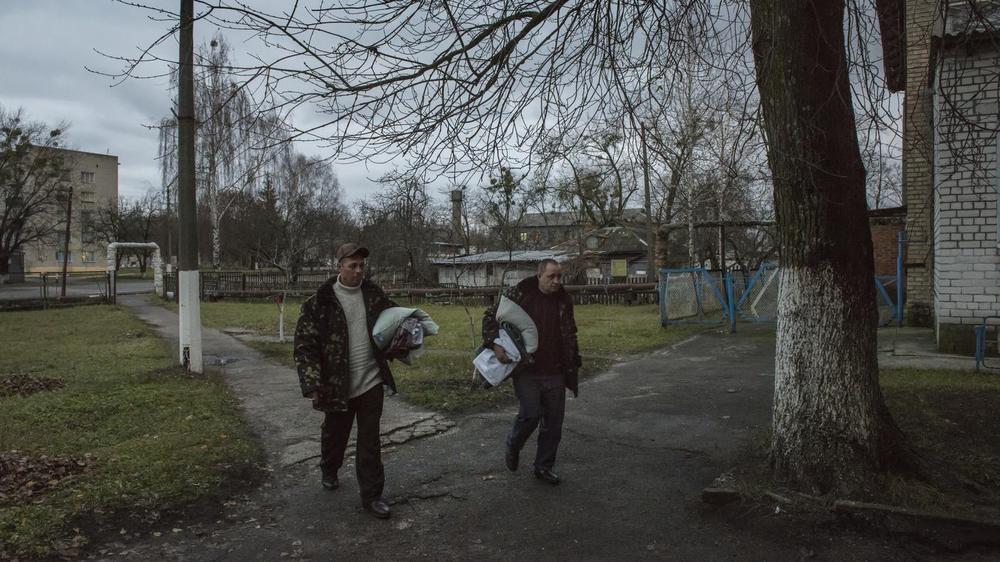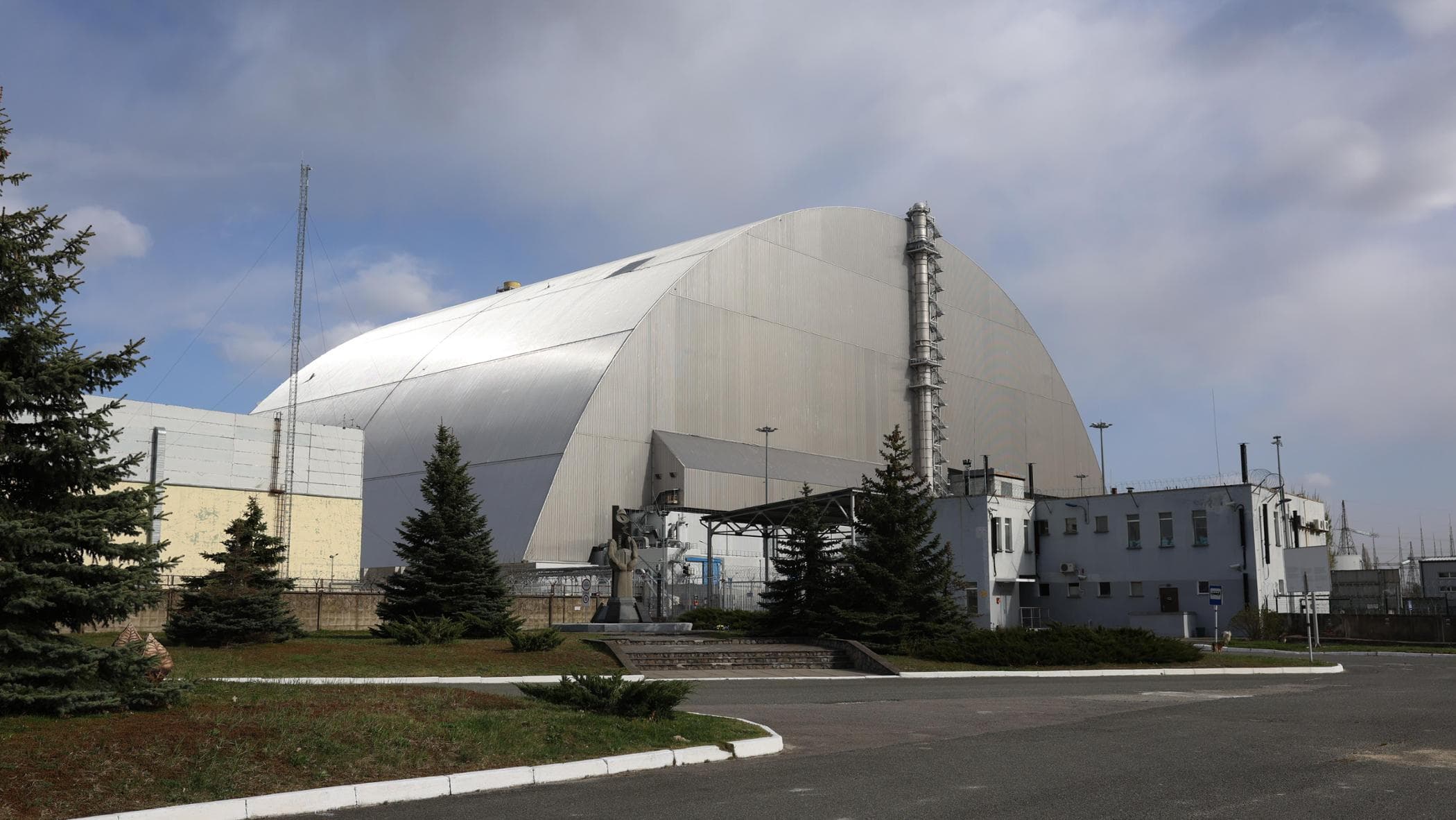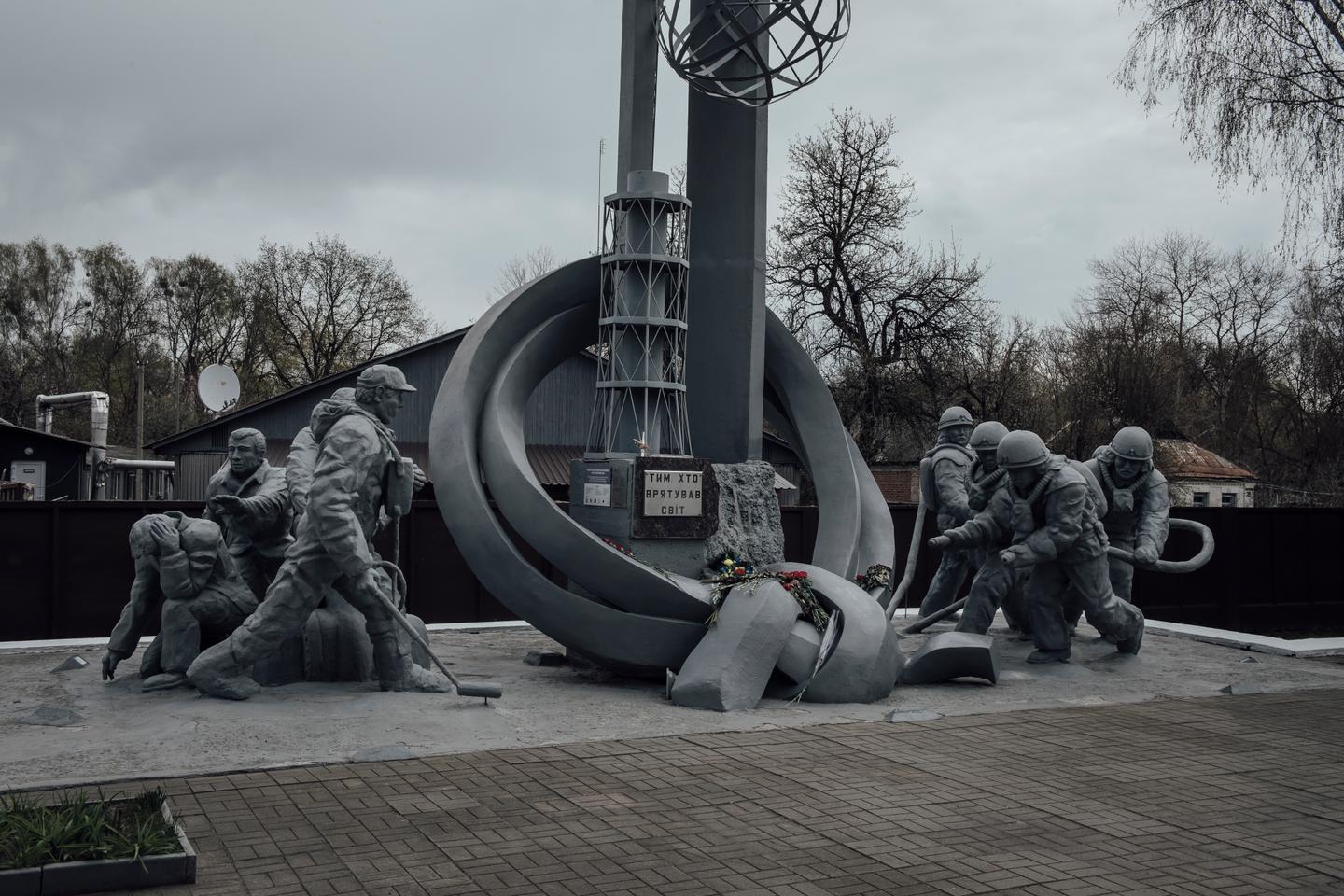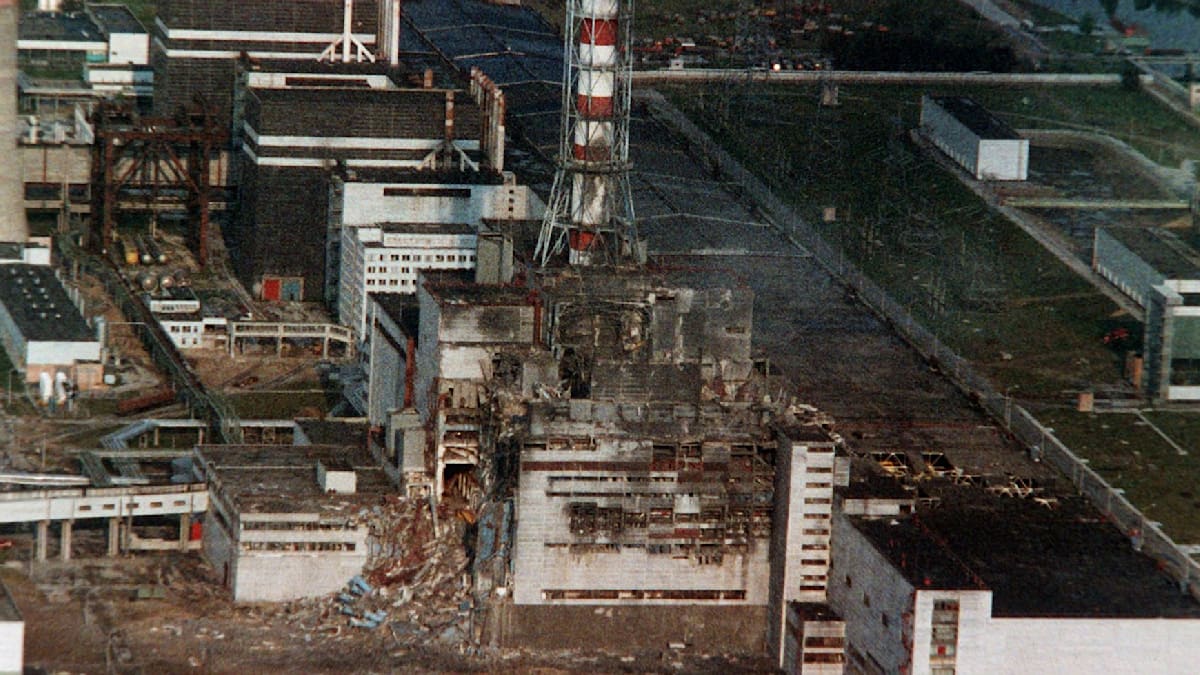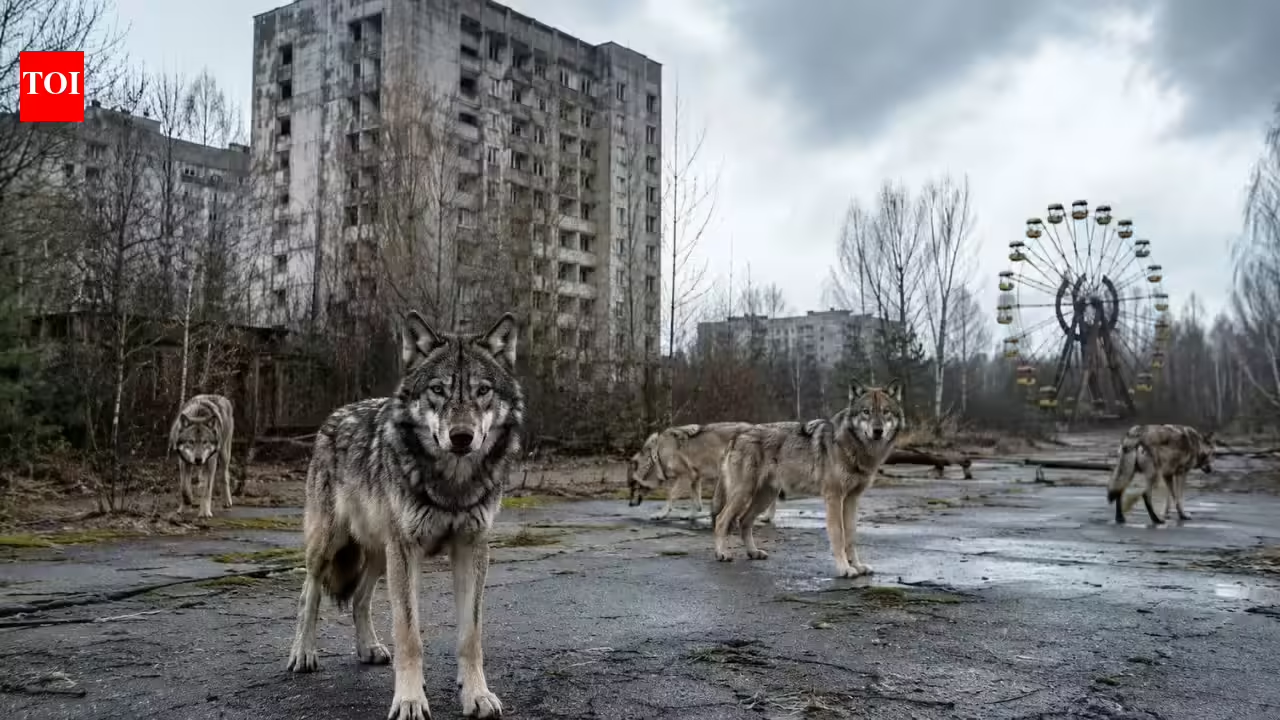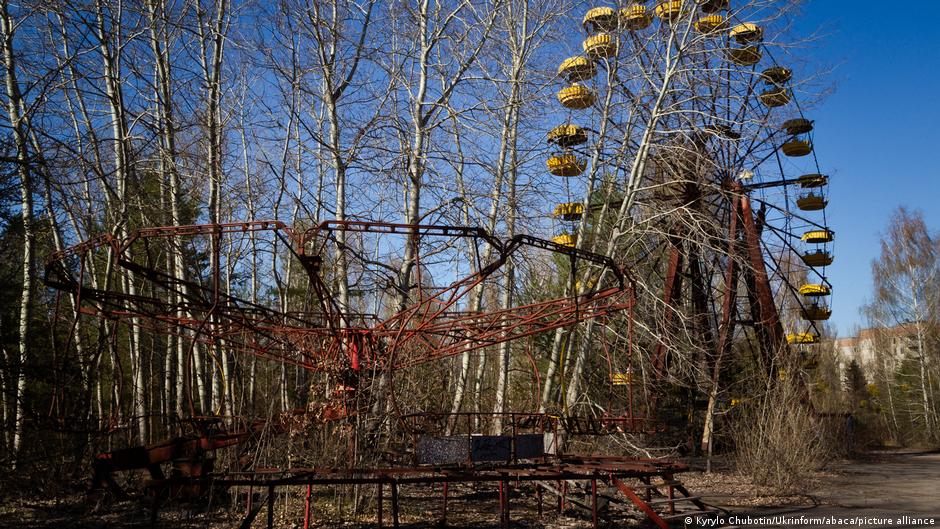
After the catastrophic accident in the nearby nuclear reactor, the city of Pripyat had to be completely evacuated. Some 50,000 people left their homes forever. DW visited the town with a former resident 40 years later.
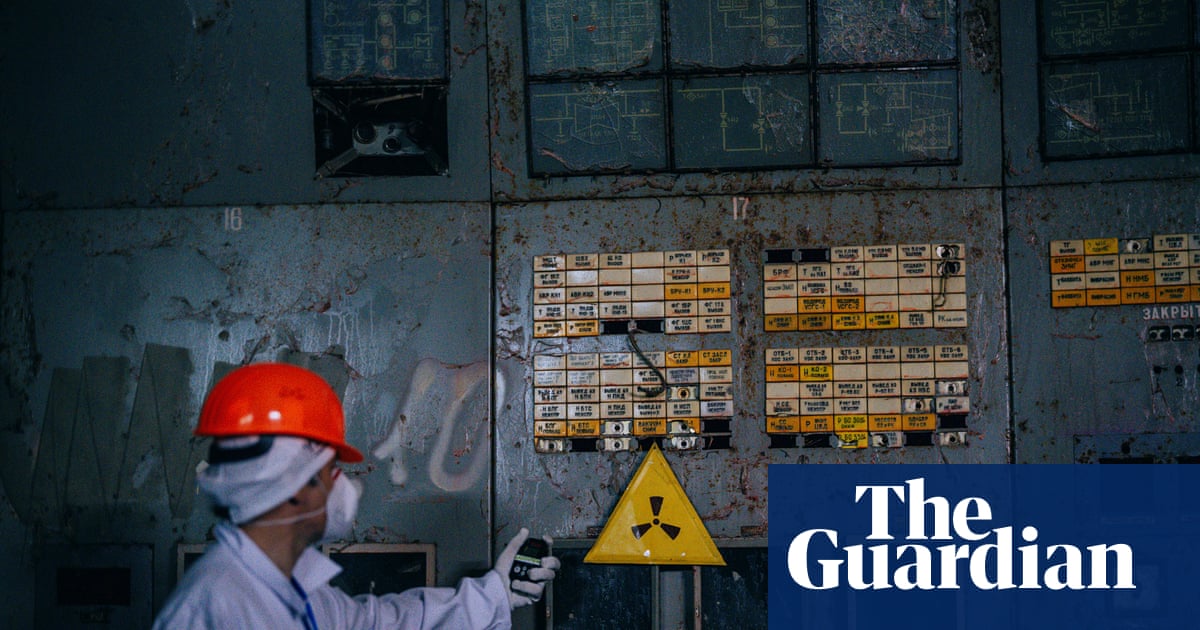
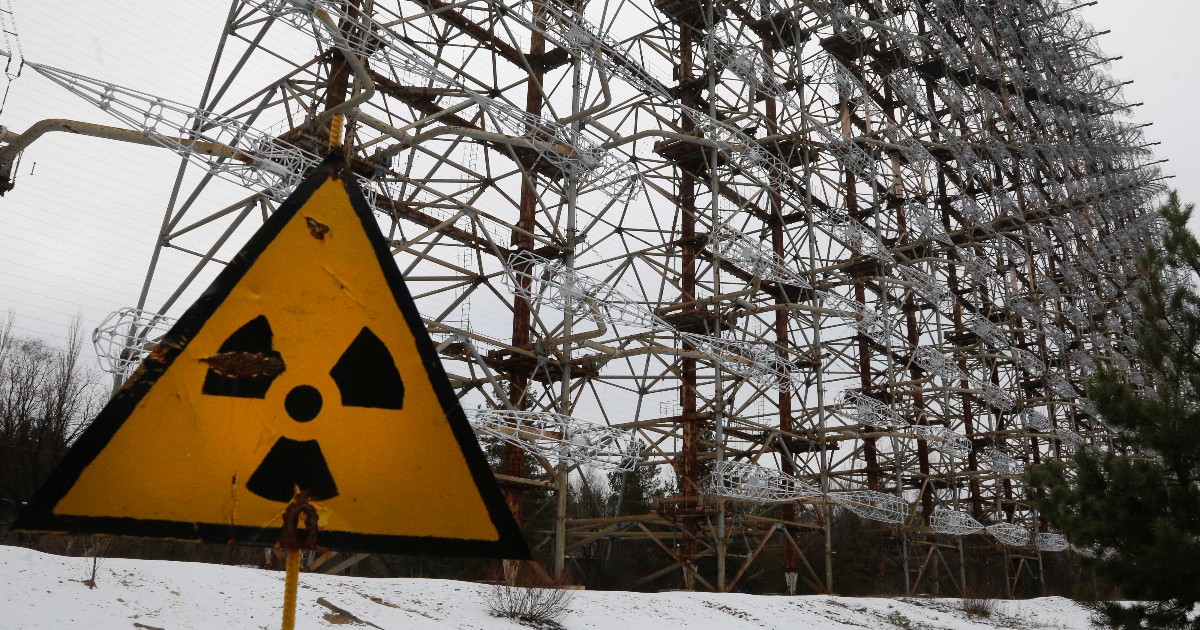
Abandoned vehicles rot by the side of the road. Children's toys, the remnants of domestic appliances, crockery and faded signs in Russian warning about the level of radioactivity lie scattered in front of the apartment blocks. The buildings are empty, the windows broken, the doors wrenched open.
Forty years ago, the Ukrainian city of Pripyat, also called "Atomgrad," was the pride of the Soviet nuclear energy industry. The future looked promising. Pripyat was just 3 kilometers (2 miles) from the Chernobyl nuclear power plant, which the leadership of what was then the Soviet Union (USSR) planned to make the biggest of its kind. It would have a total of 12 reactors, and Pripyat was where the workers and their families would live.
When reactor 4 exploded on April 26, 1986, the city had only existed for 16 years. Pripyat was made up of 160 buildings, with 13,500 apartments, 15 kindergartens and five schools.
Forty years on, the buildings are derelict. Trees, shrubs and vines have taken over. Volodymyr Vorobey leads a DW reporter through the undergrowth.