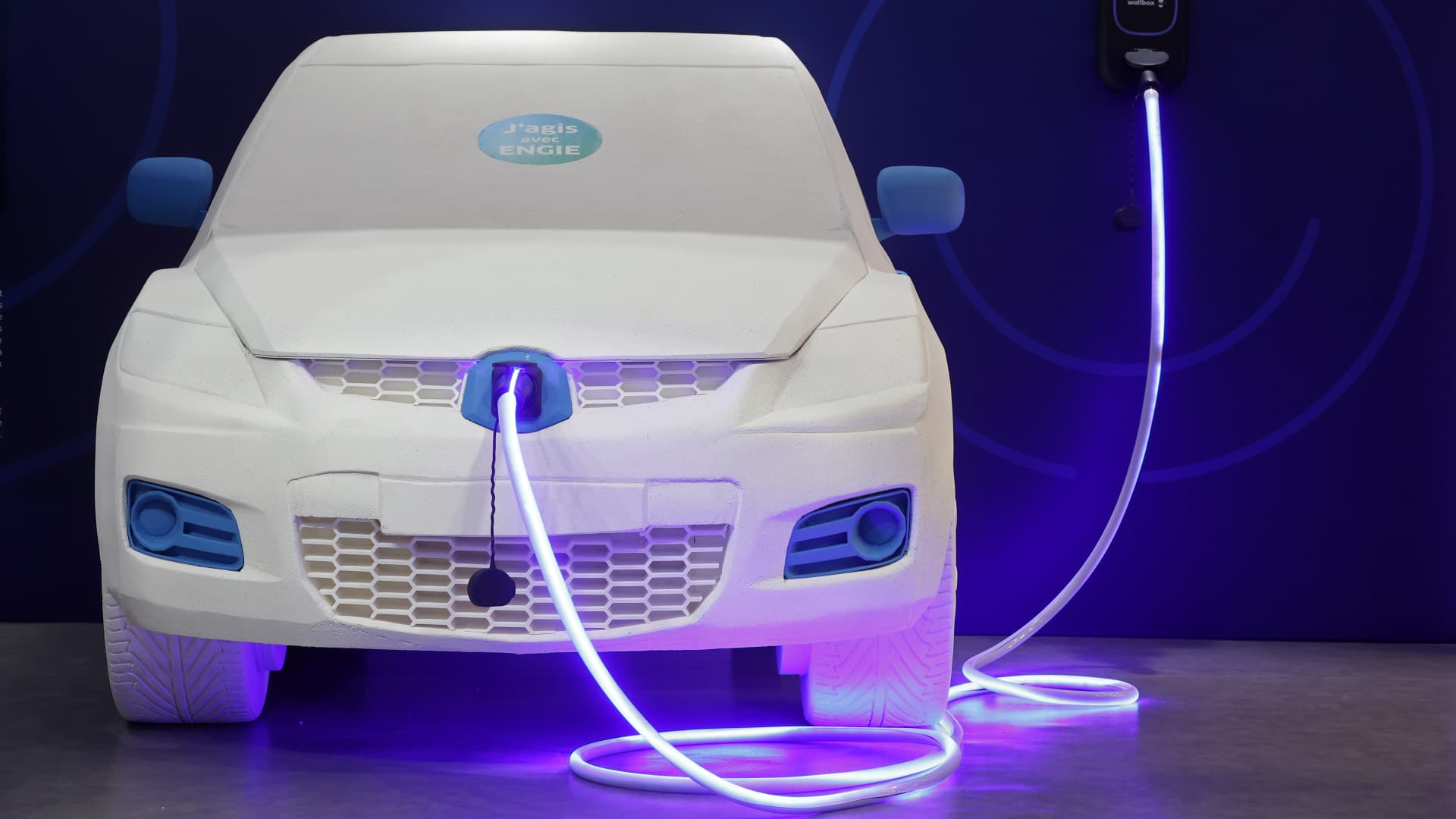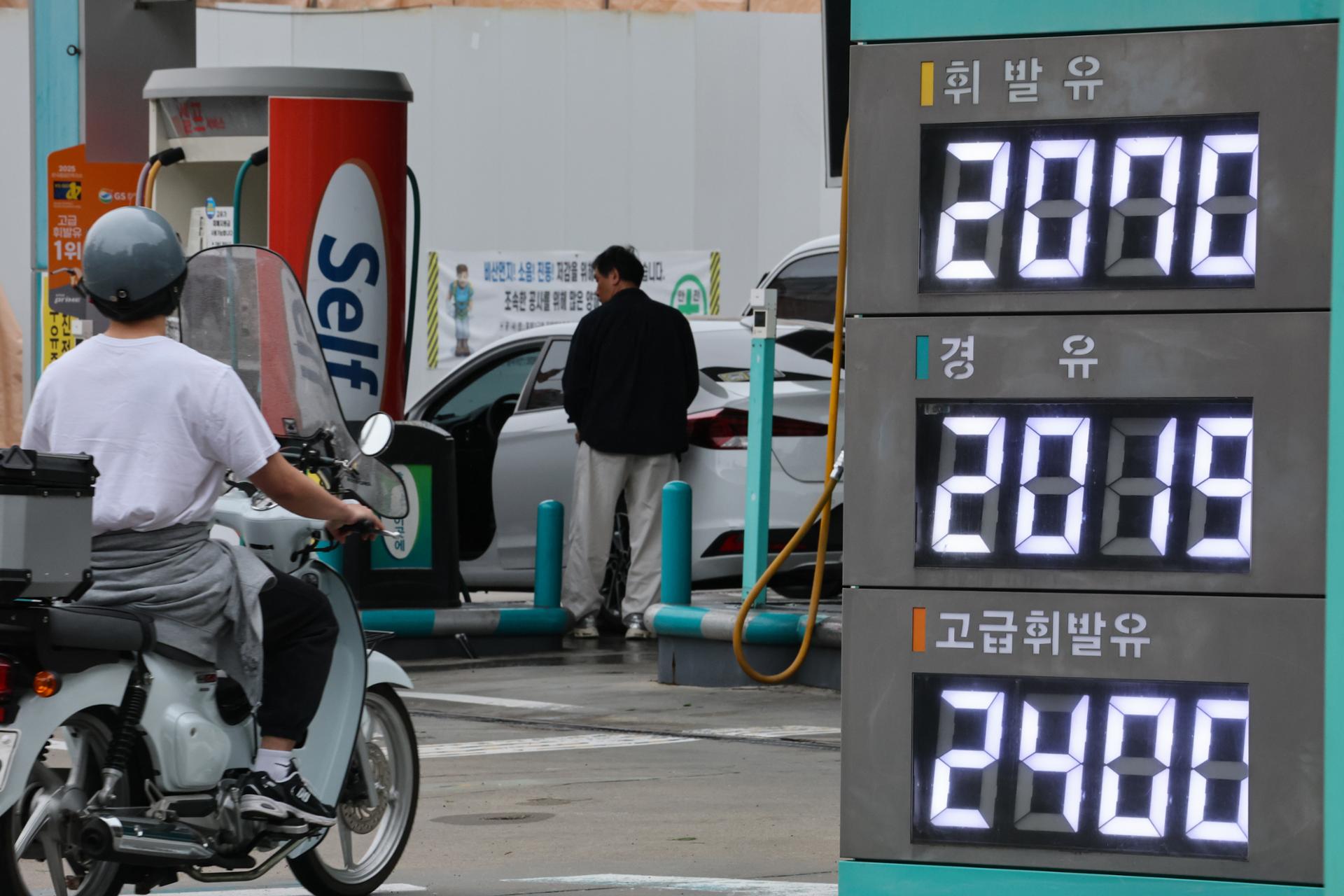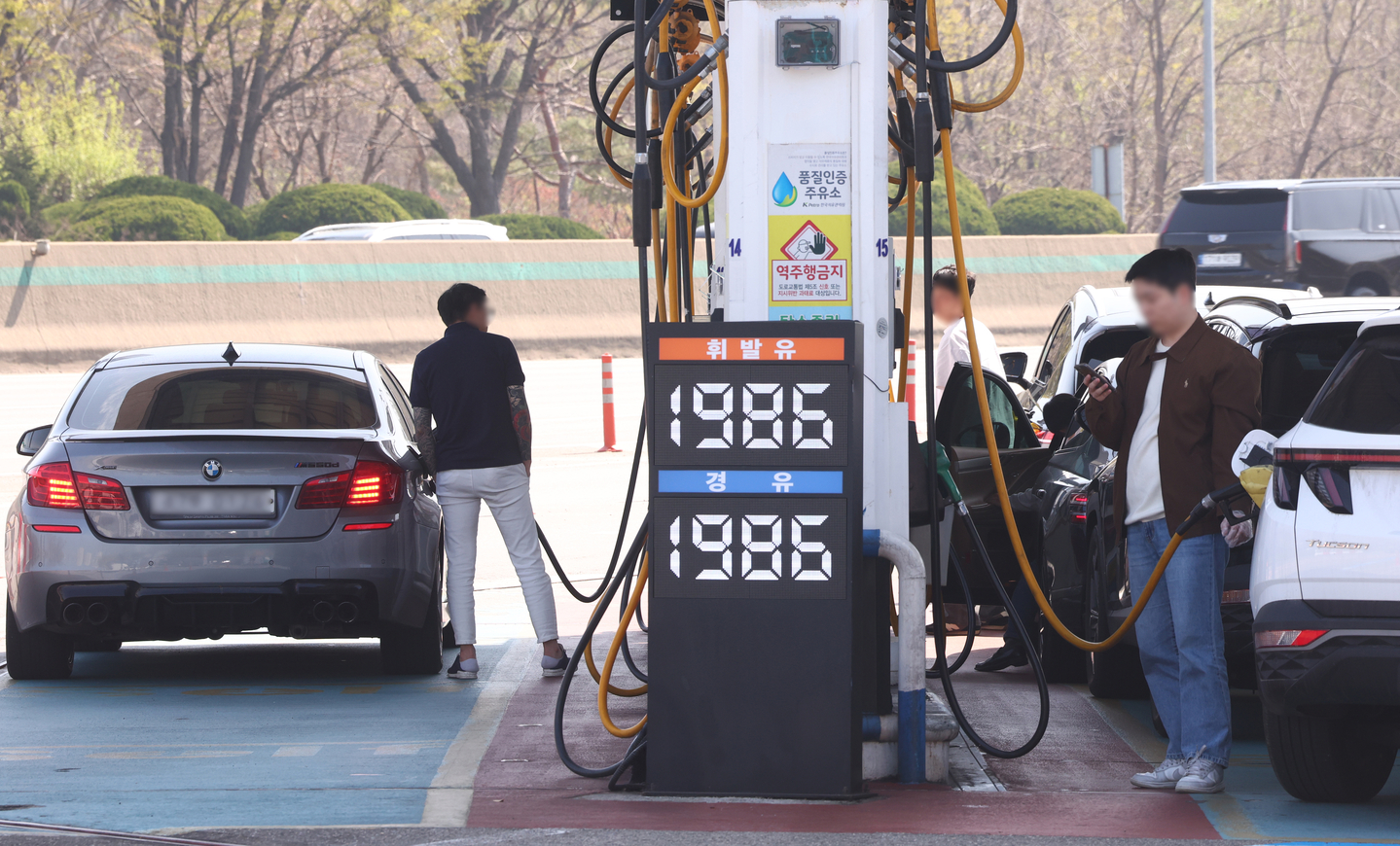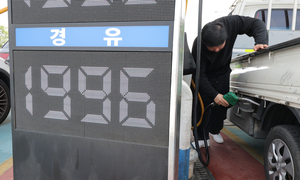
A driver refuels a cargo truck with diesel at a gas station in Seocho-gu, Gangnam, Seoul, on Tuesday. (Yonhap) Prolonged conflict in the Middle East has driven up global oil prices, significantly increasing the operating costs for gas-powered vehicles in Korea while boosting demand for electric vehicles.According to the Korea Statistical Information Service on Thursday, the personal transport equipment operating cost index, which measures expenses for maintaining and using personal vehicles and motorcycles, rose 16.3 percent in April from the previous year. The increase marked the sharpest rise since July 2022, when costs skyrocketed 26.0 percent fueled by the Russia’s invasion of Ukraine.By category, spending on fuel and lubricants climbed 22.7 percent year-on-year, the sharpest increase since July 2022, when it surged 33.0 percent. Diesel prices soared 30.8 percent from a year earlier, while gasoline prices rose 21.1 percent. In contrast, automotive LPG prices fell 3.5 percent, partly due to a lag in reflecting international contract prices domestically.Vehicle maintenance and repair expenses also rose 4.5 percent, the highest increase since November 2023. In particular, engine oil replacement costs jumped 11.6 percent, marking the steepest rise since June 2009, largely driven by higher crude oil prices and labor costs.Consumer demand for EVs, however, is rebounding after a period of high inflation and broader economic uncertainties slowed growth.According to the Environment Ministry, the cumulative number of registered battery-powered vehicles in Korea surpassed 1 million as of April 15.New EV registrations this year also exceeded 100,000 as of April 14, hitting the milestone nearly three months earlier than last year, when it was reached in the second week of July. EVs accounted for 20.1 percent of all new vehicle registrations as of the end of March, a notable increase from last year’s 13.0 percent.Industry insiders say a price war is intensifying in Korea’s EV market as Hyundai Motor Group, which has claimed the largest market share, faces growing pressure from foreign rivals such as Tesla and BYD.According to data from the Korea Automobile Importers & Distributors Association, Tesla sold 13,190 units in April, outpacing Kia to become the bestselling brand in Korea’s passenger EV market for the first time on monthly sales. It also represented the highest monthly sales ever recorded by an imported car brand here.BYD, which entered the Korean market last year, has rapidly expanded its presence by leveraging its price competitiveness. The company sold 2,023 vehicles in Korea last month, ranking fourth in monthly sales.The EV maker’s cumulative sales in Korea surpassed 10,000 units as of last month, just 11 months after delivering its first vehicle to local customers — the fastest record ever achieved by an imported car brand in the country.
Middle East tensions drive Korean drivers towards EVs
Prolonged conflict in the Middle East has driven up global oil prices, significantly increasing the operating costs for gas-powered vehicles in Korea while boos
444 words~2 min read